The Story
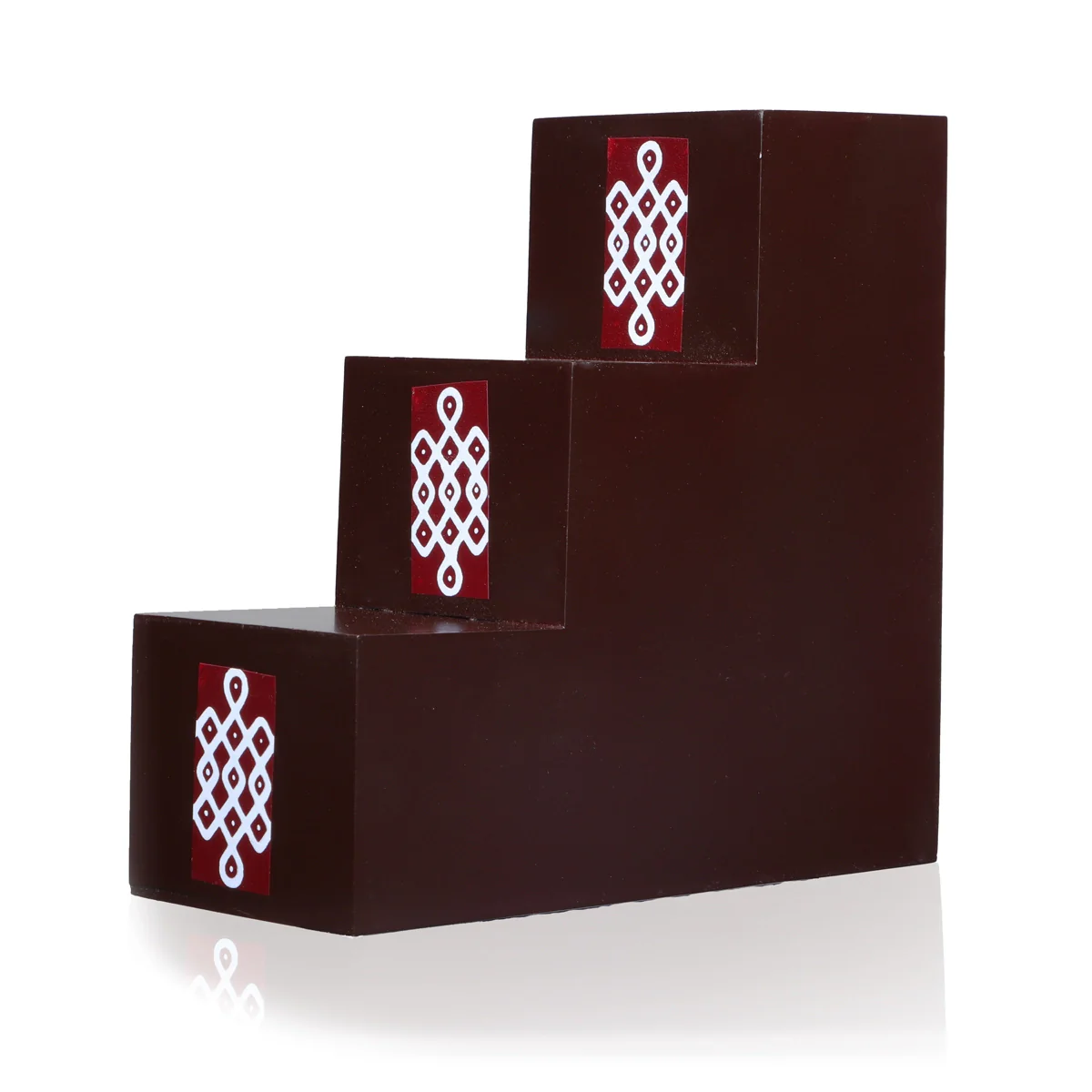
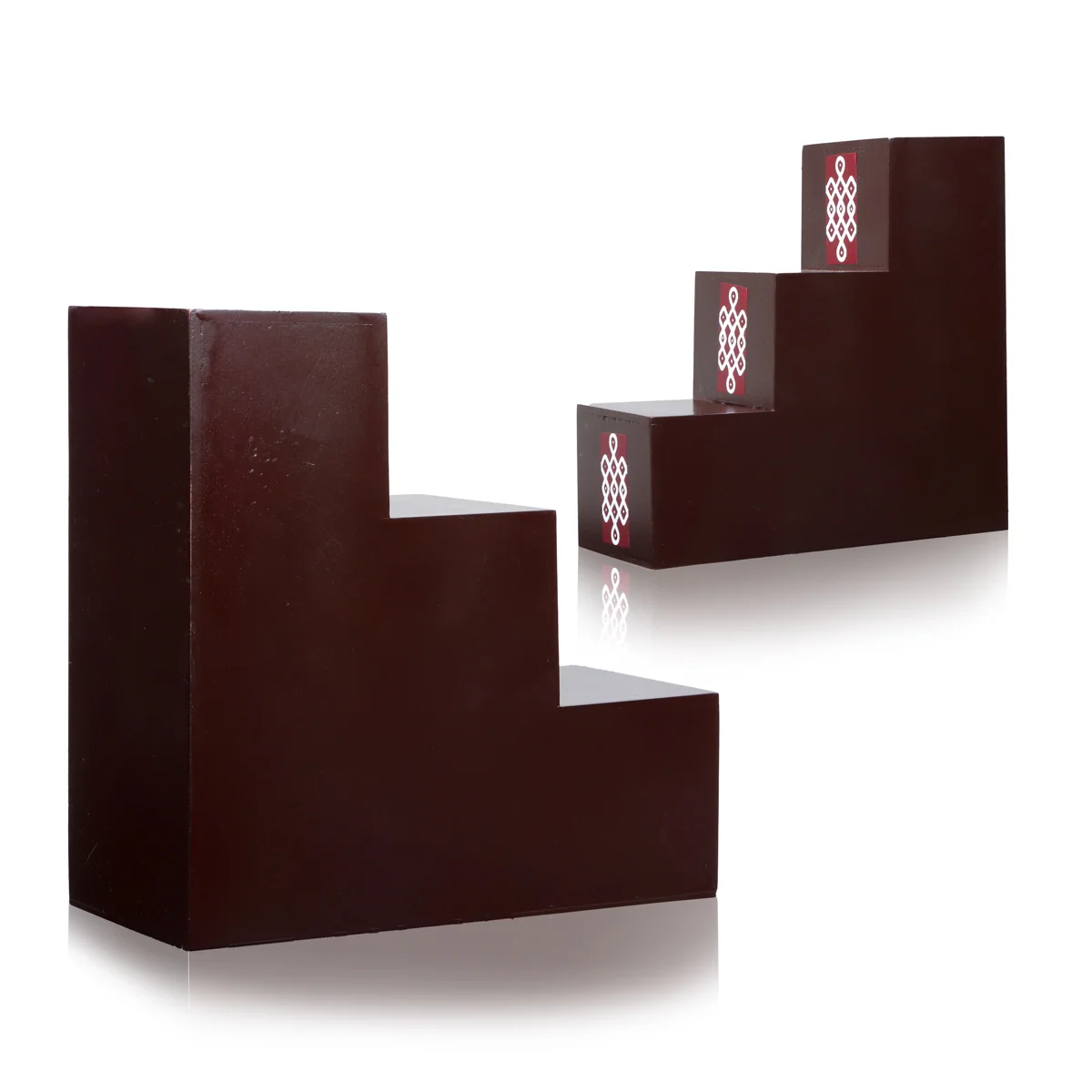
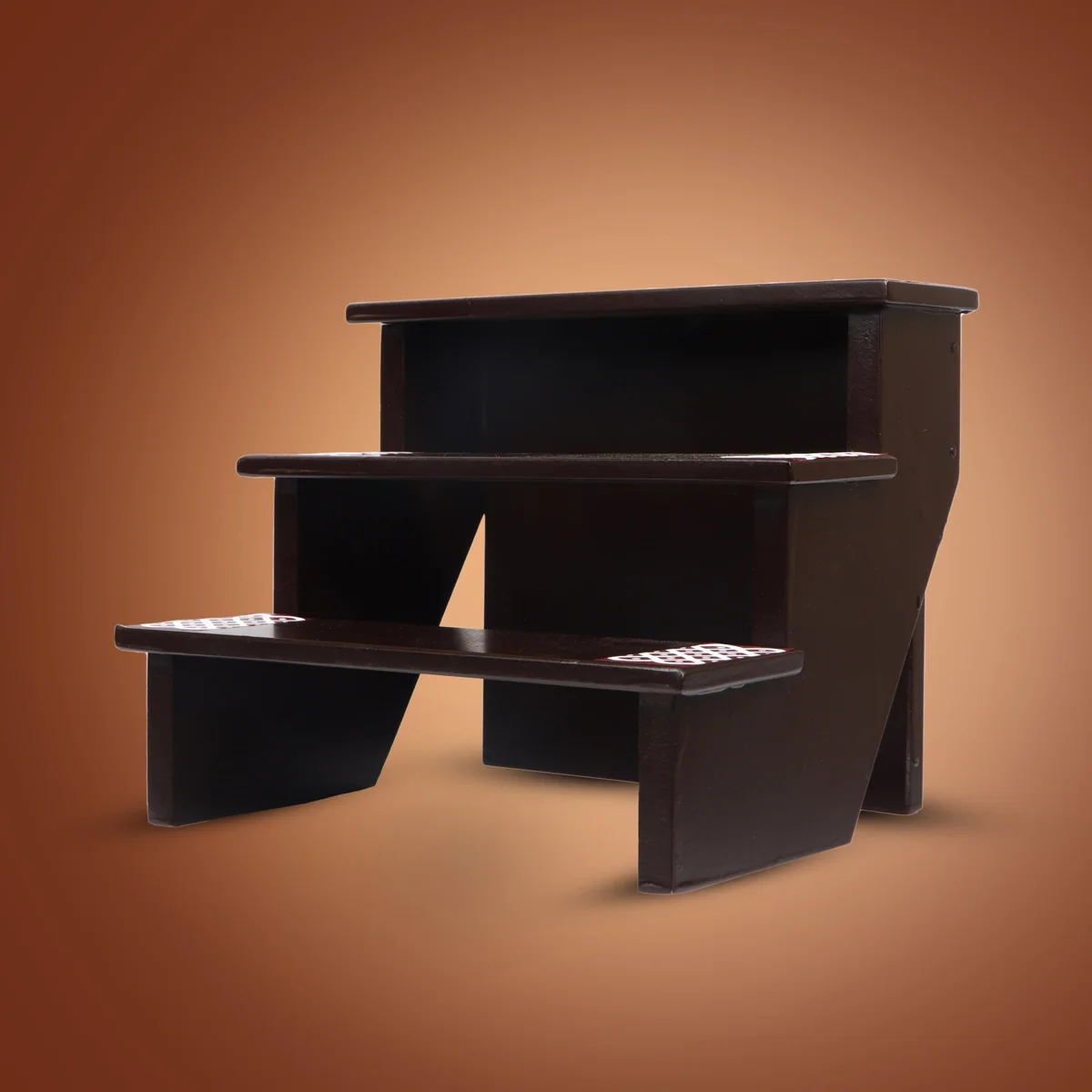
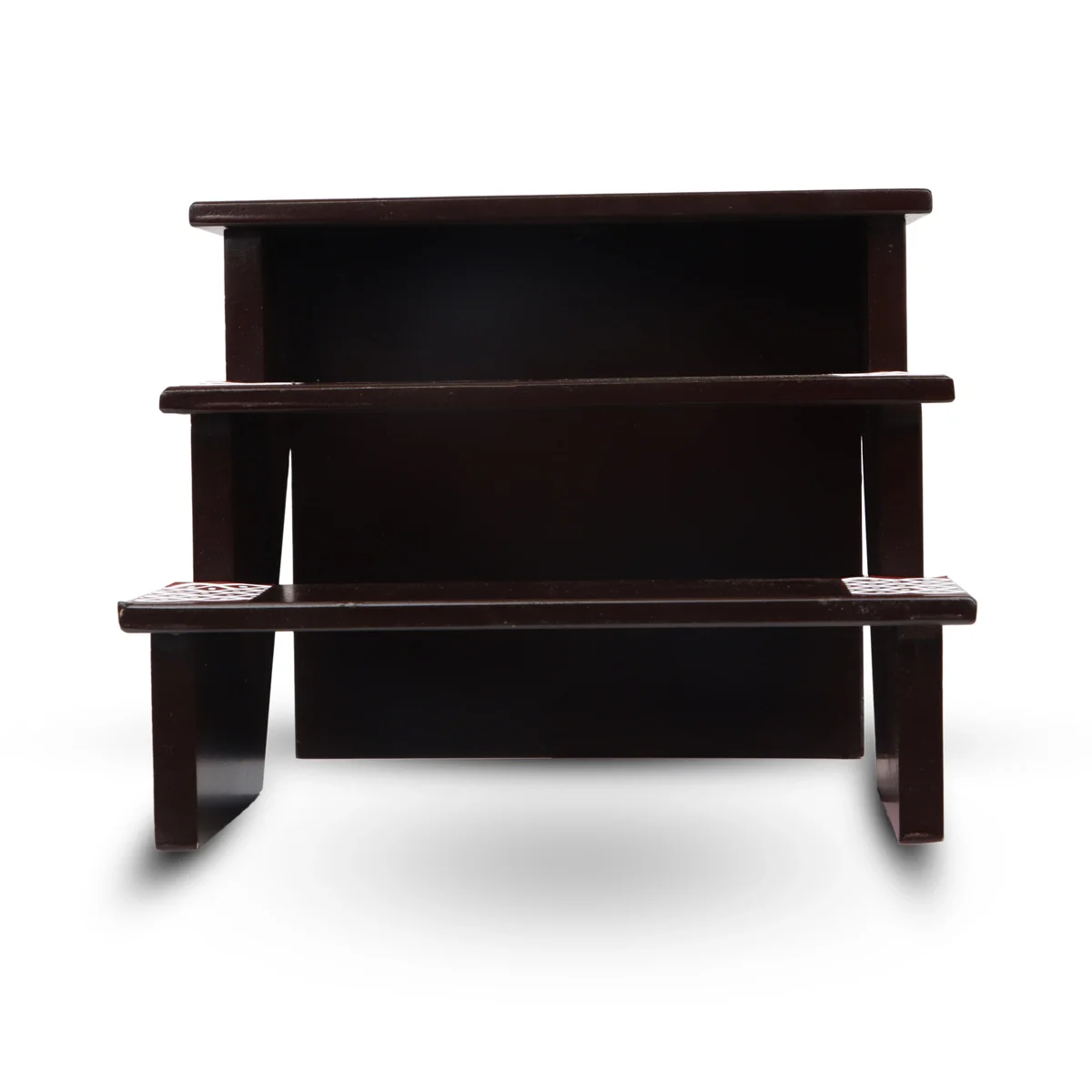
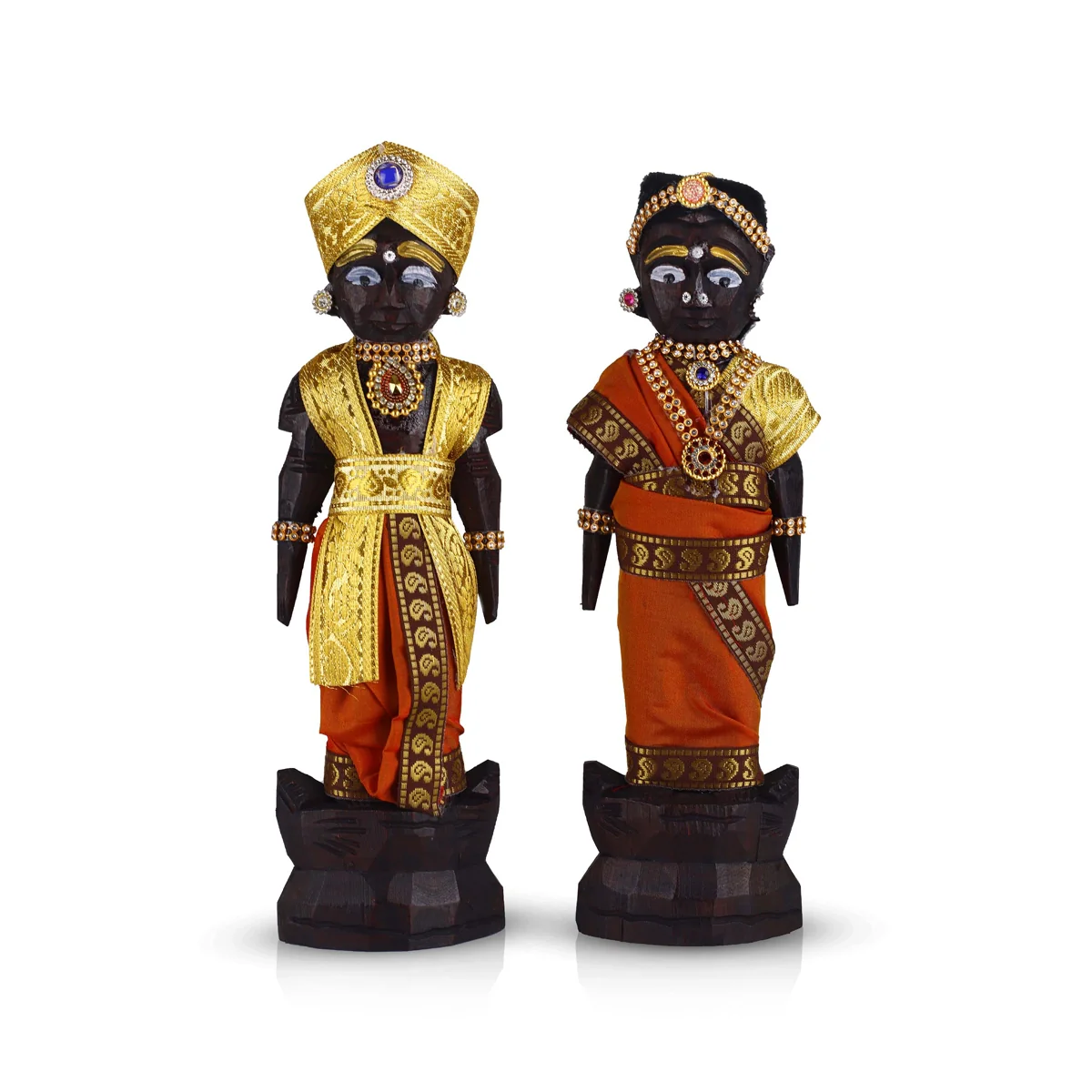
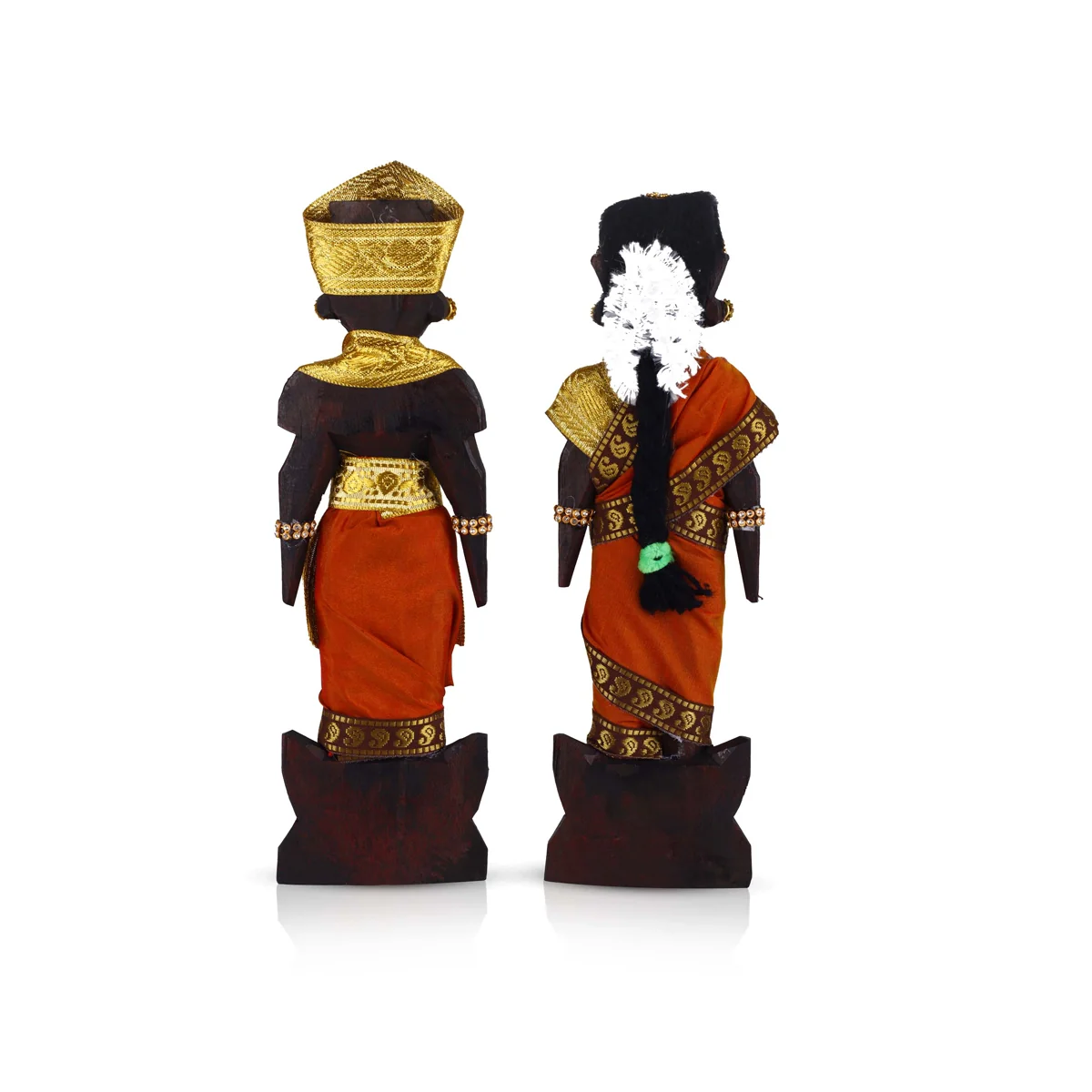
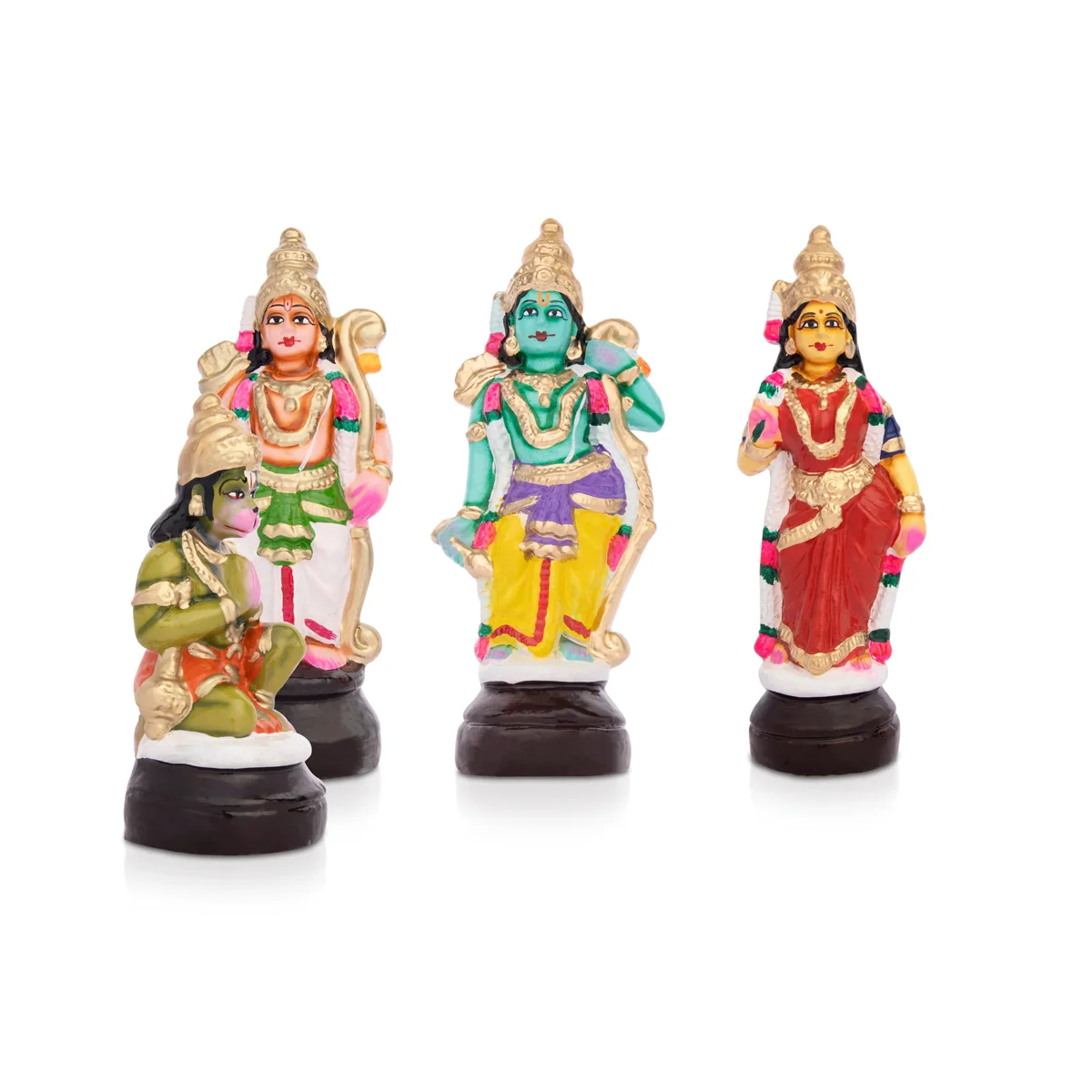
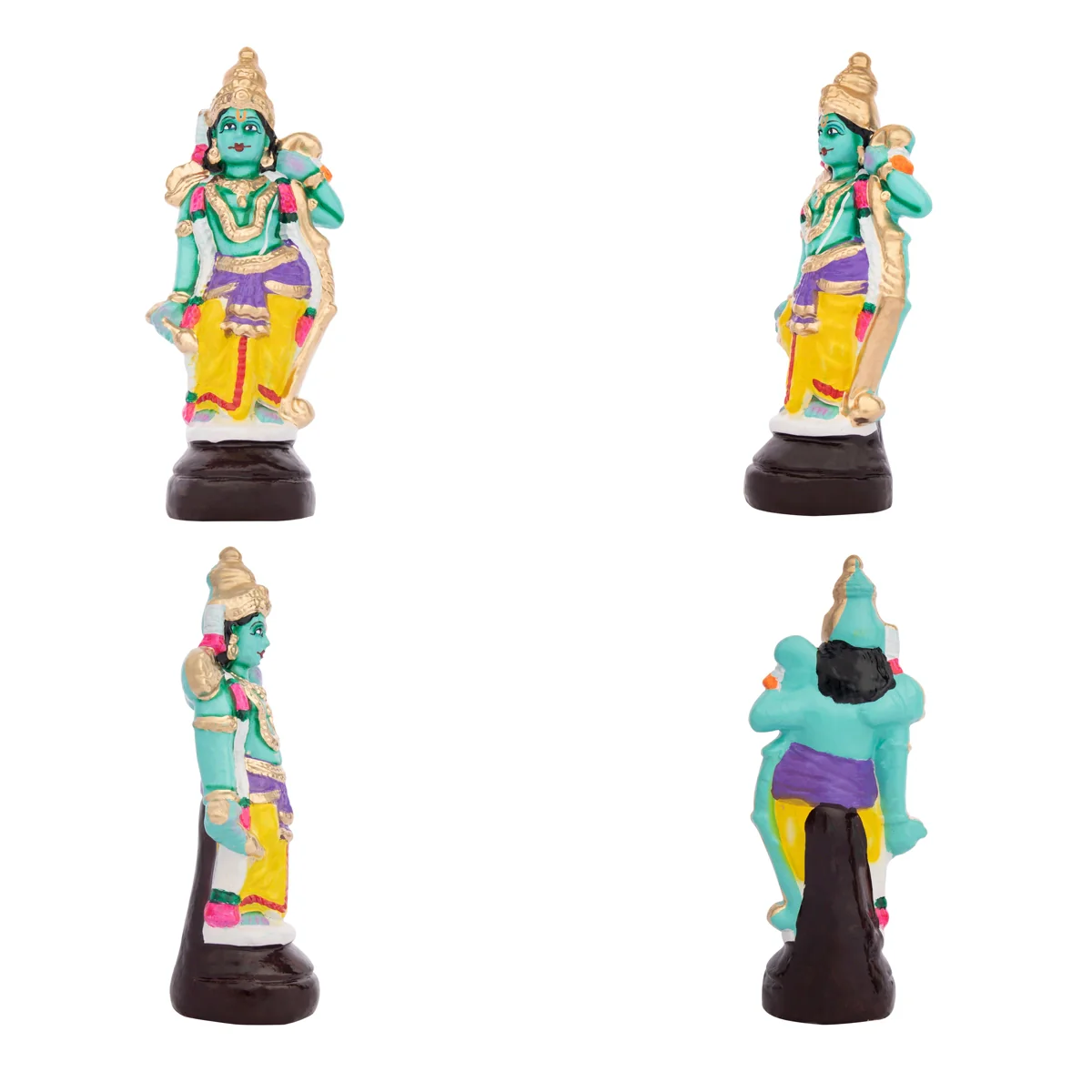
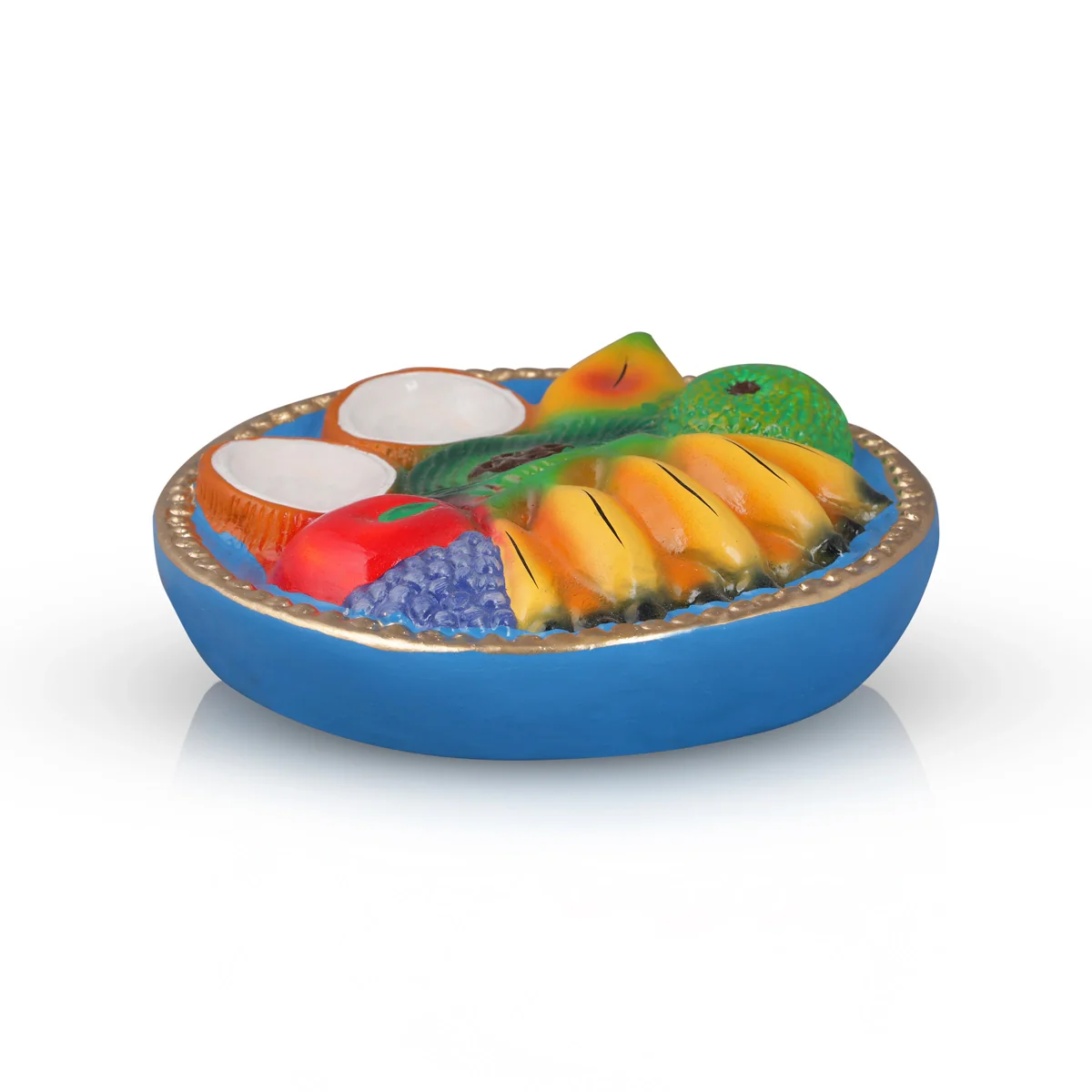
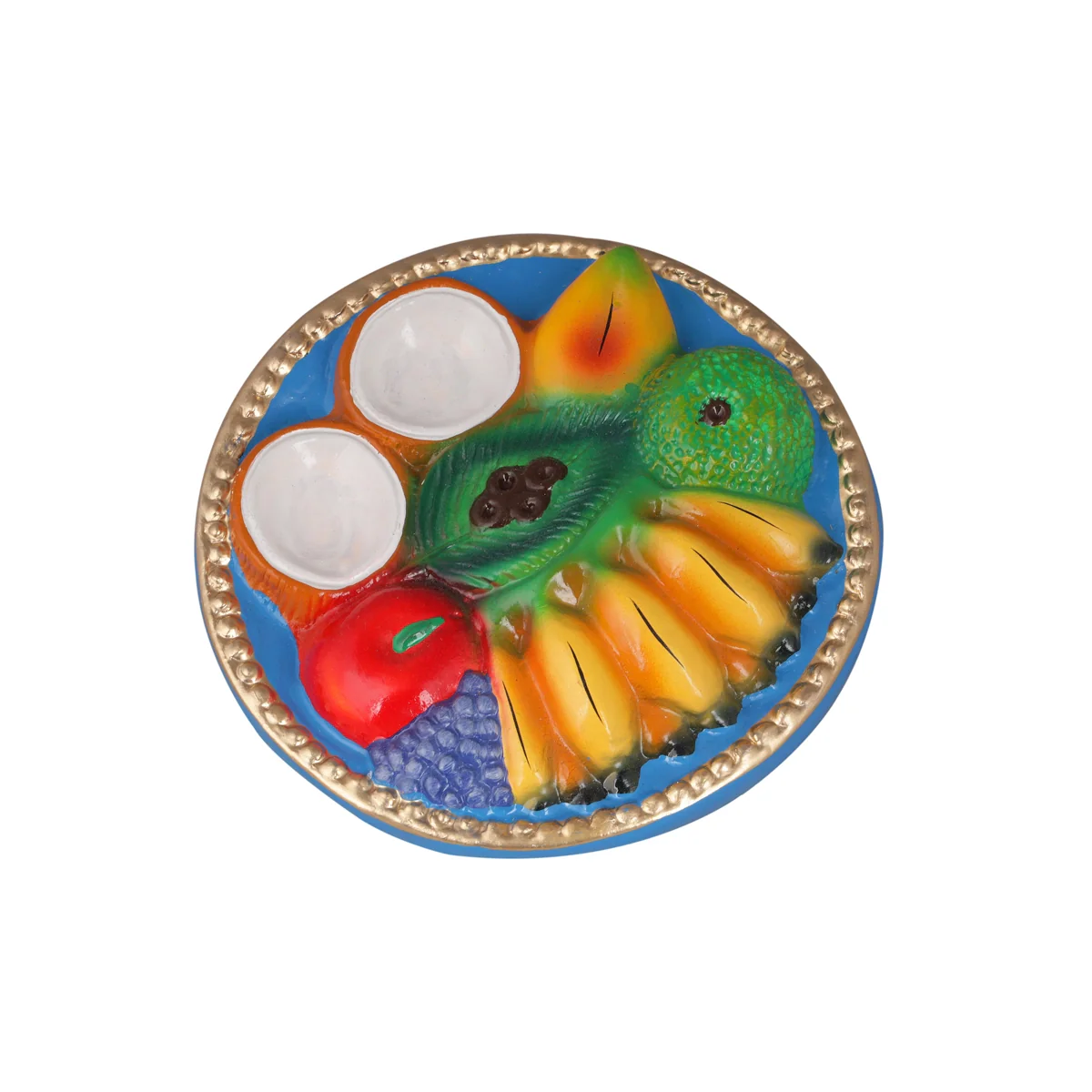
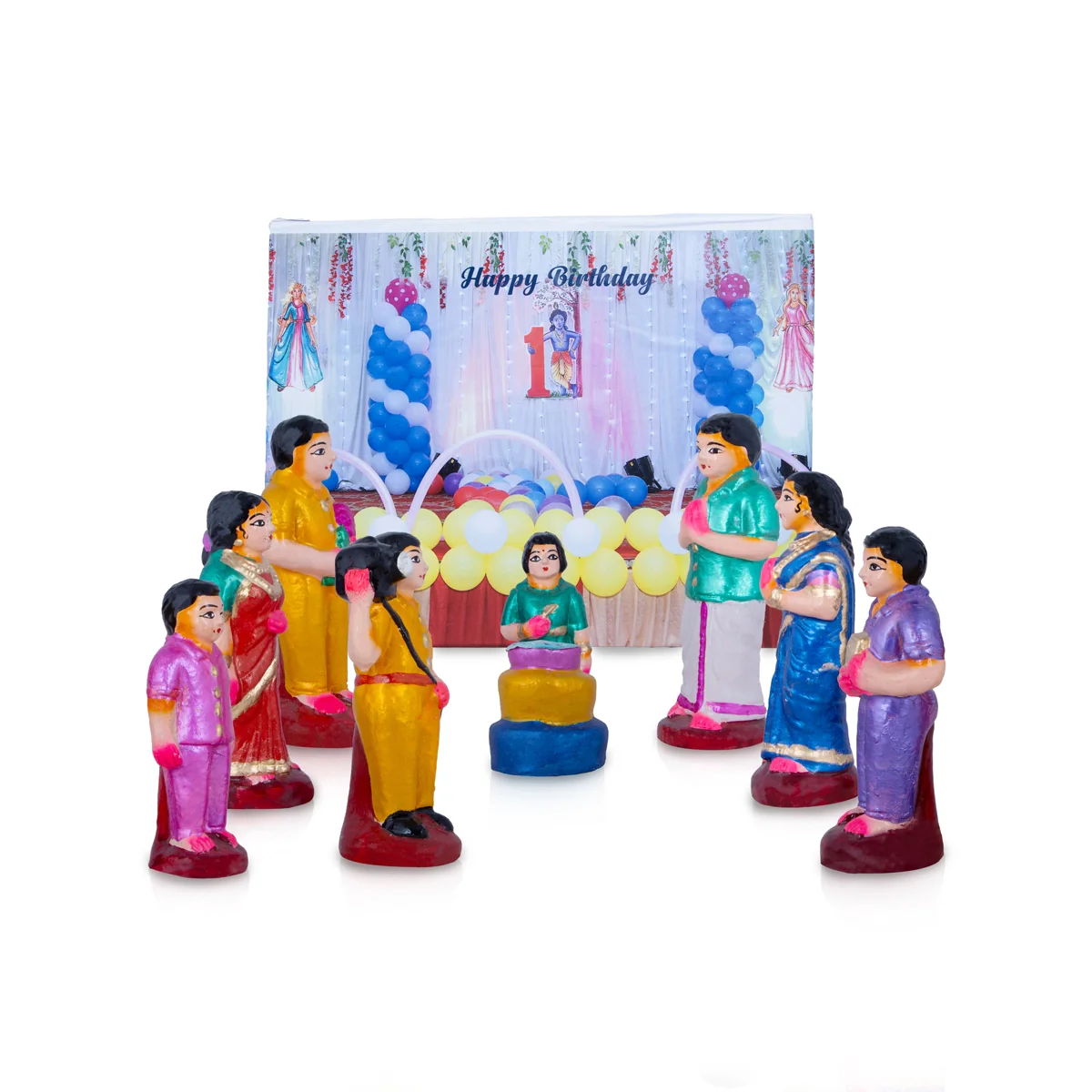
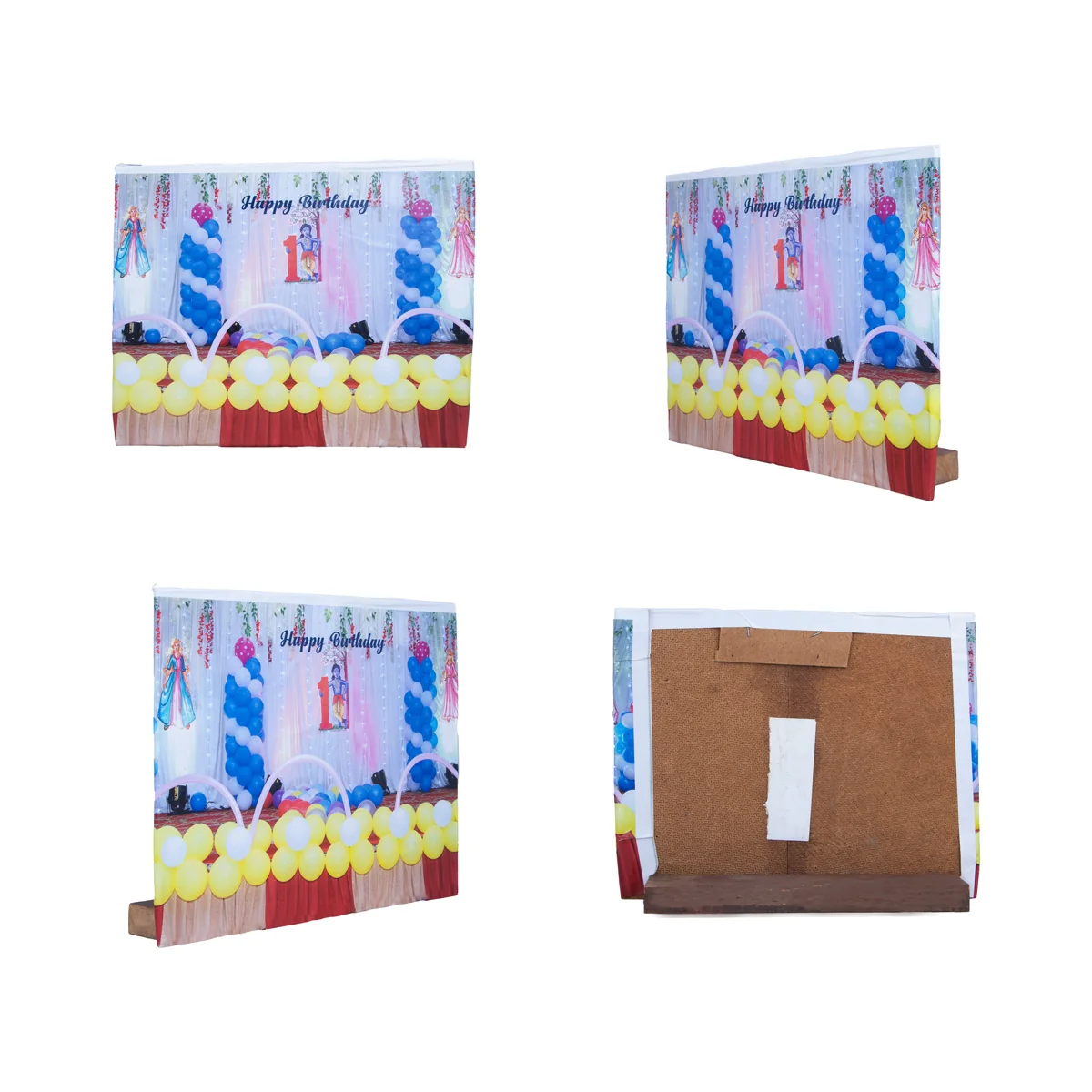
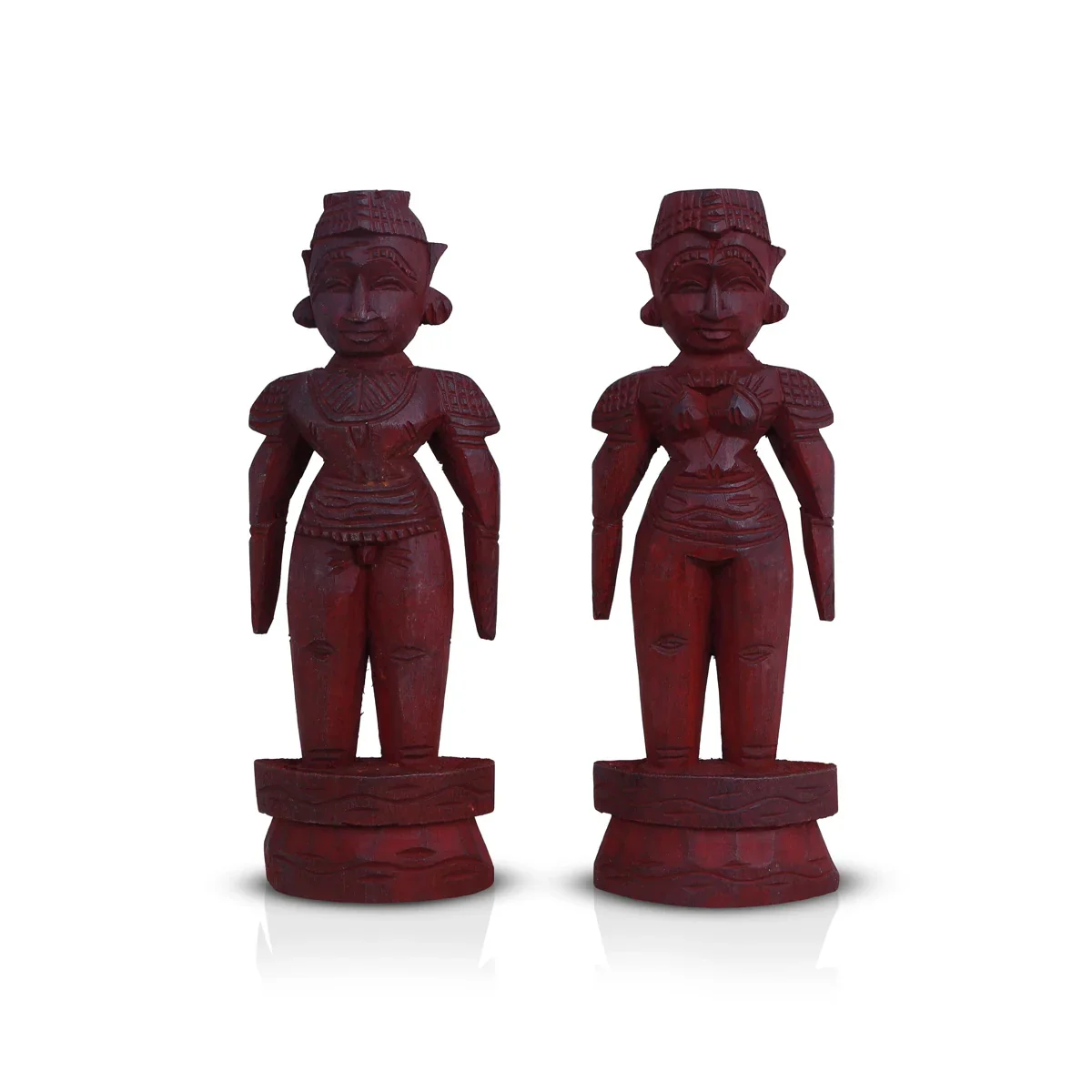
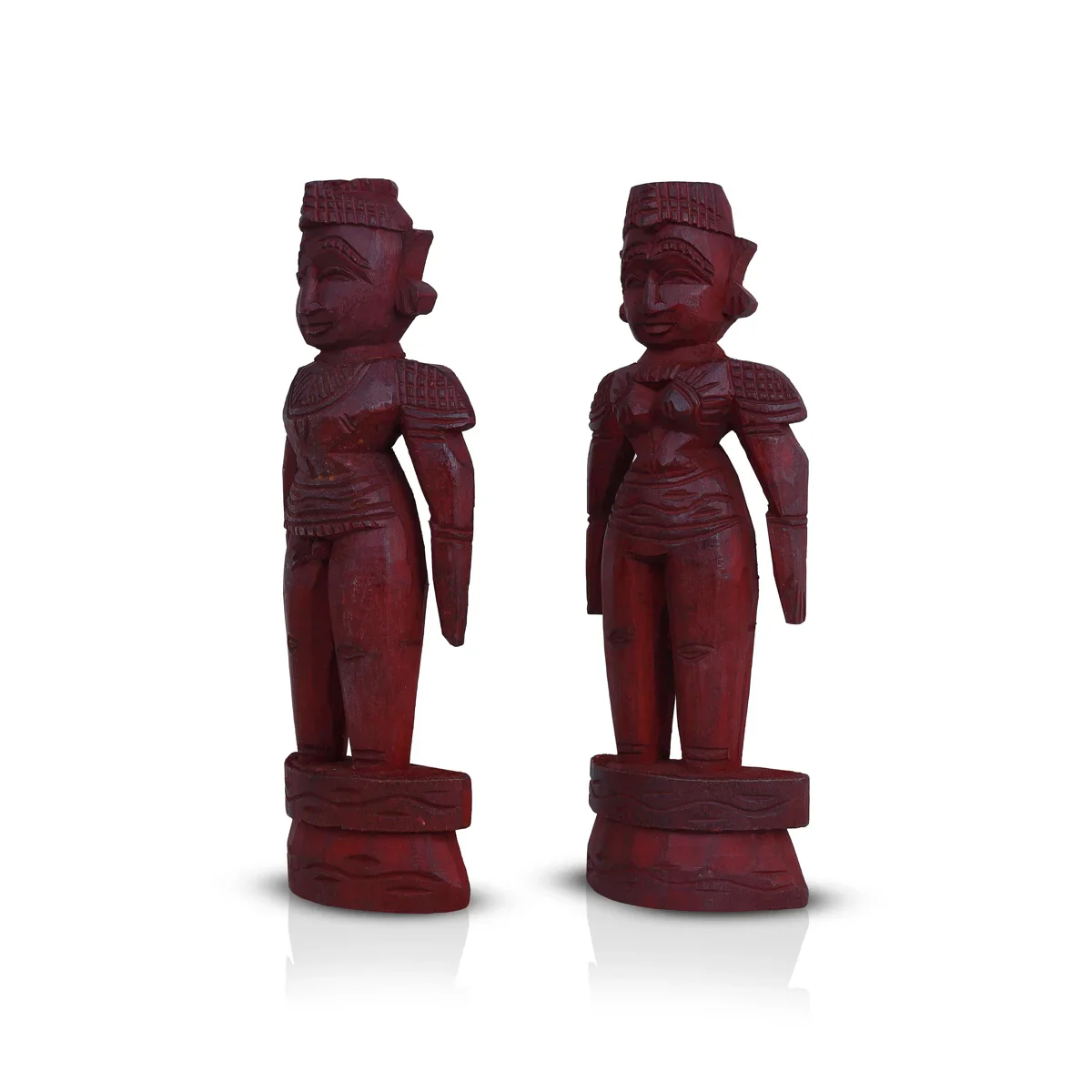
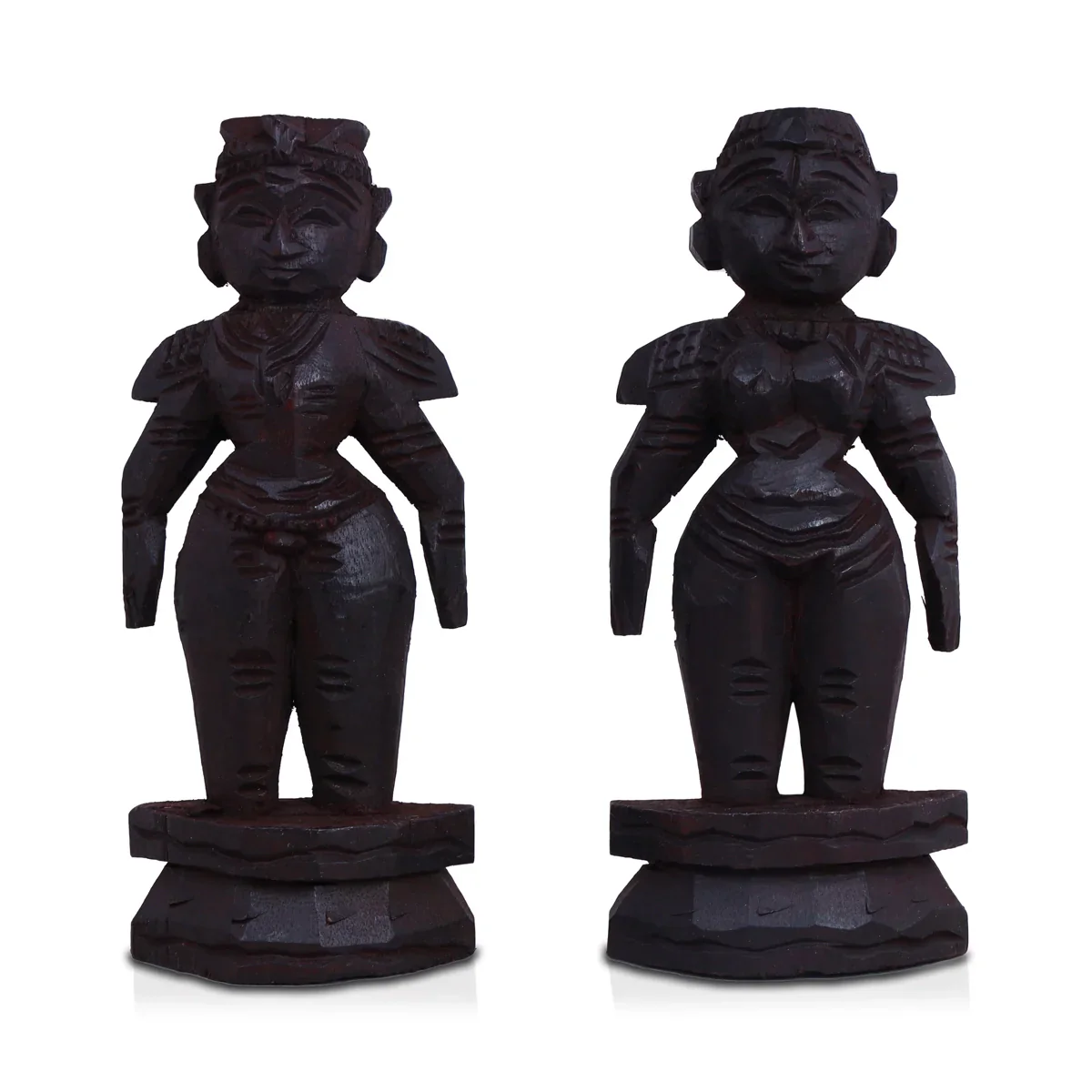
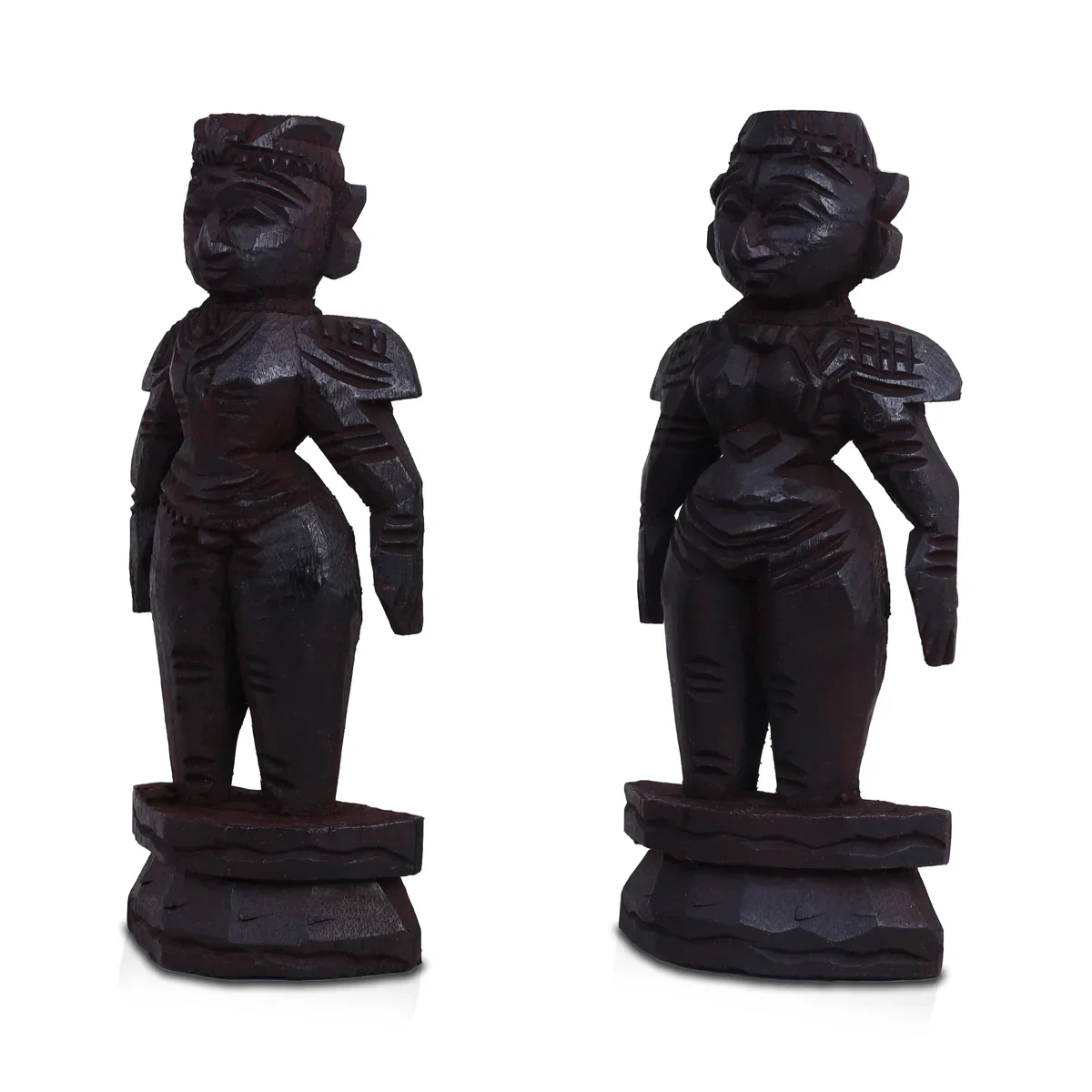
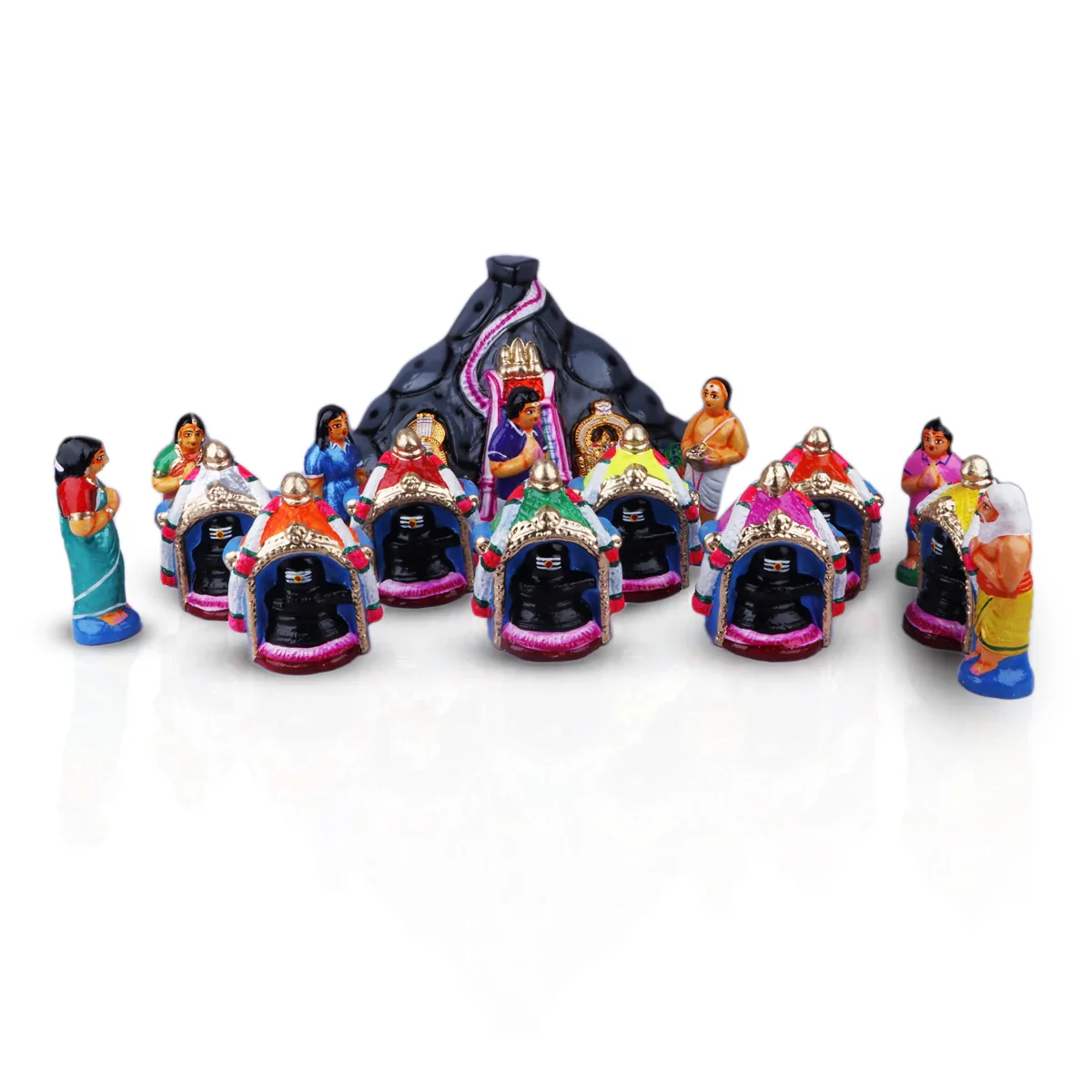
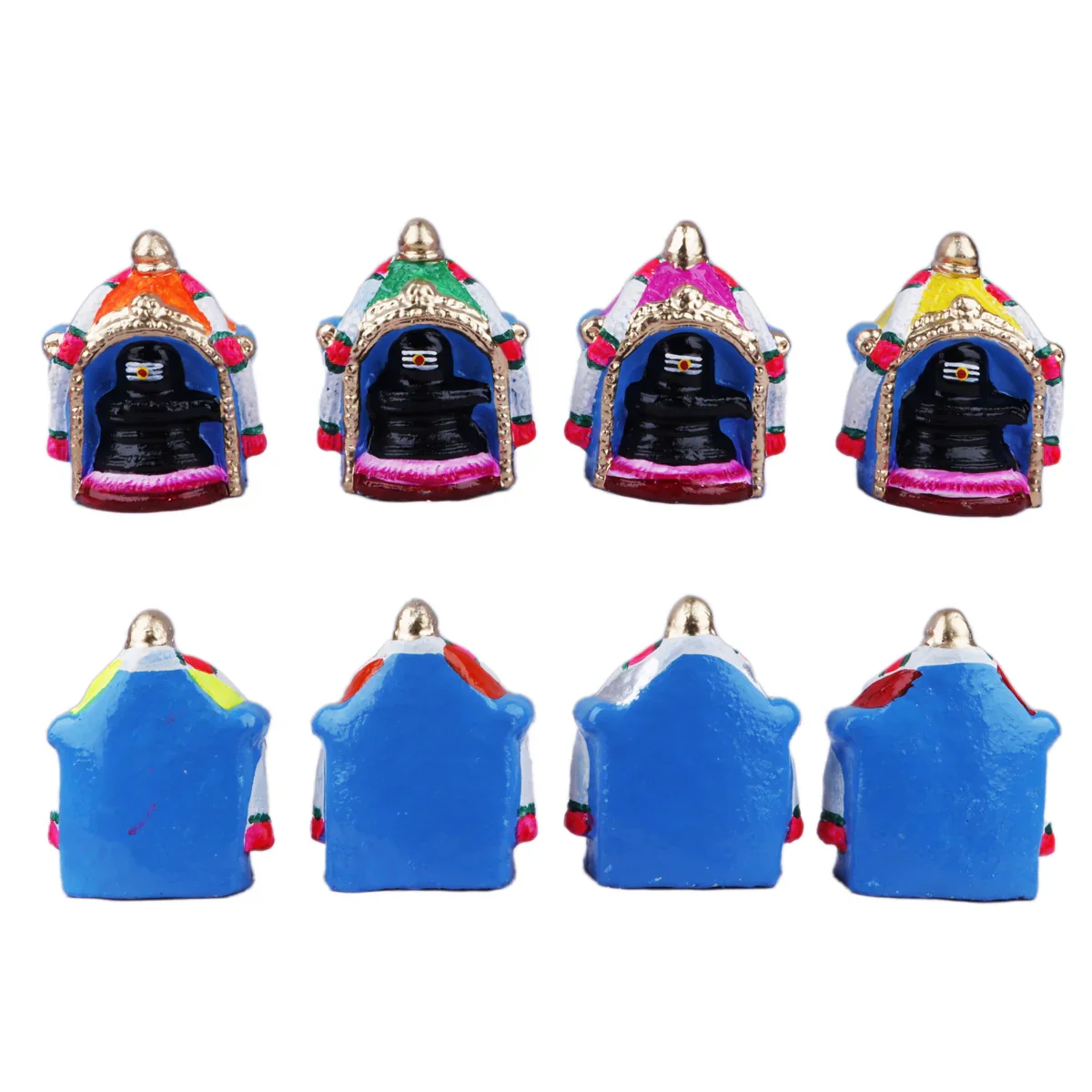
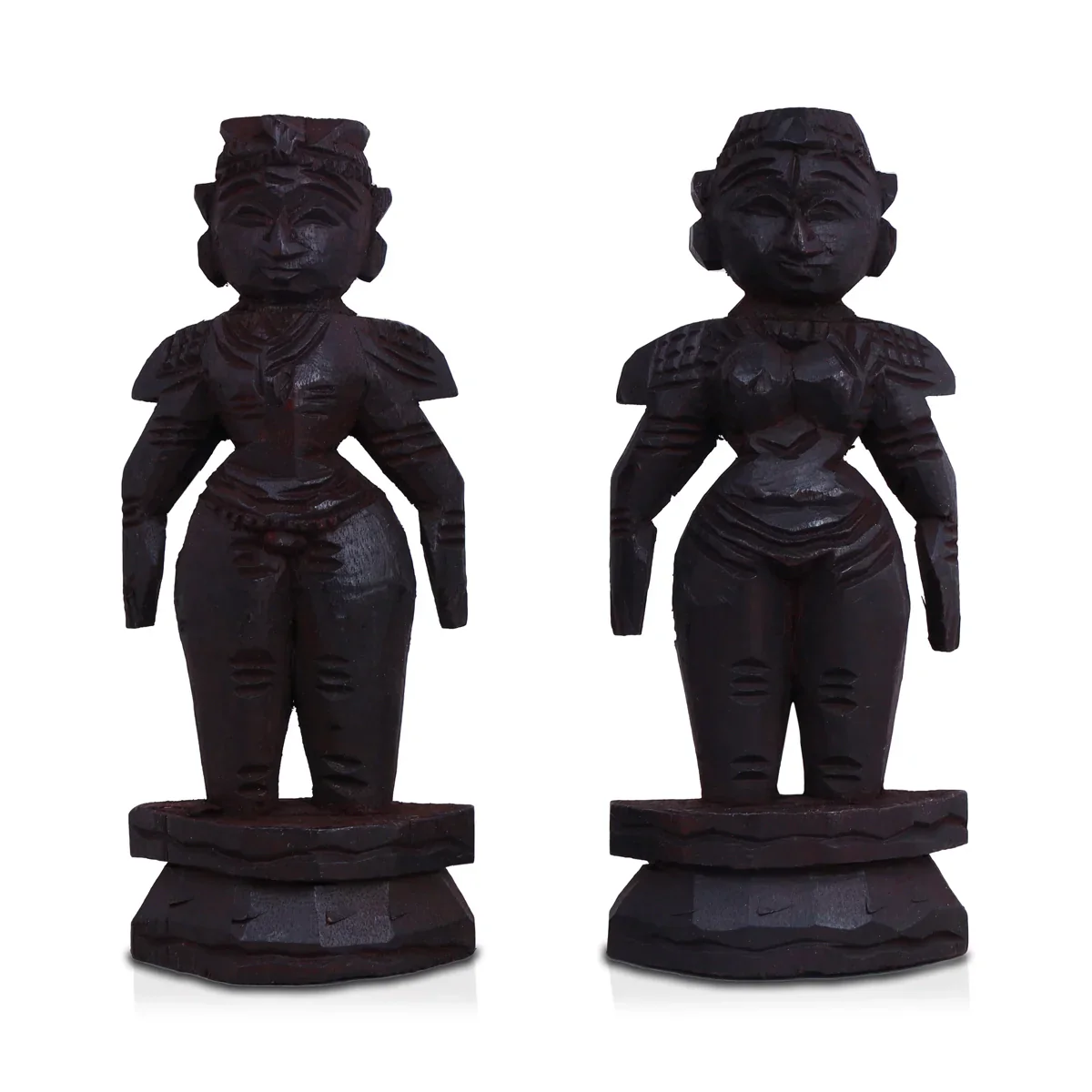
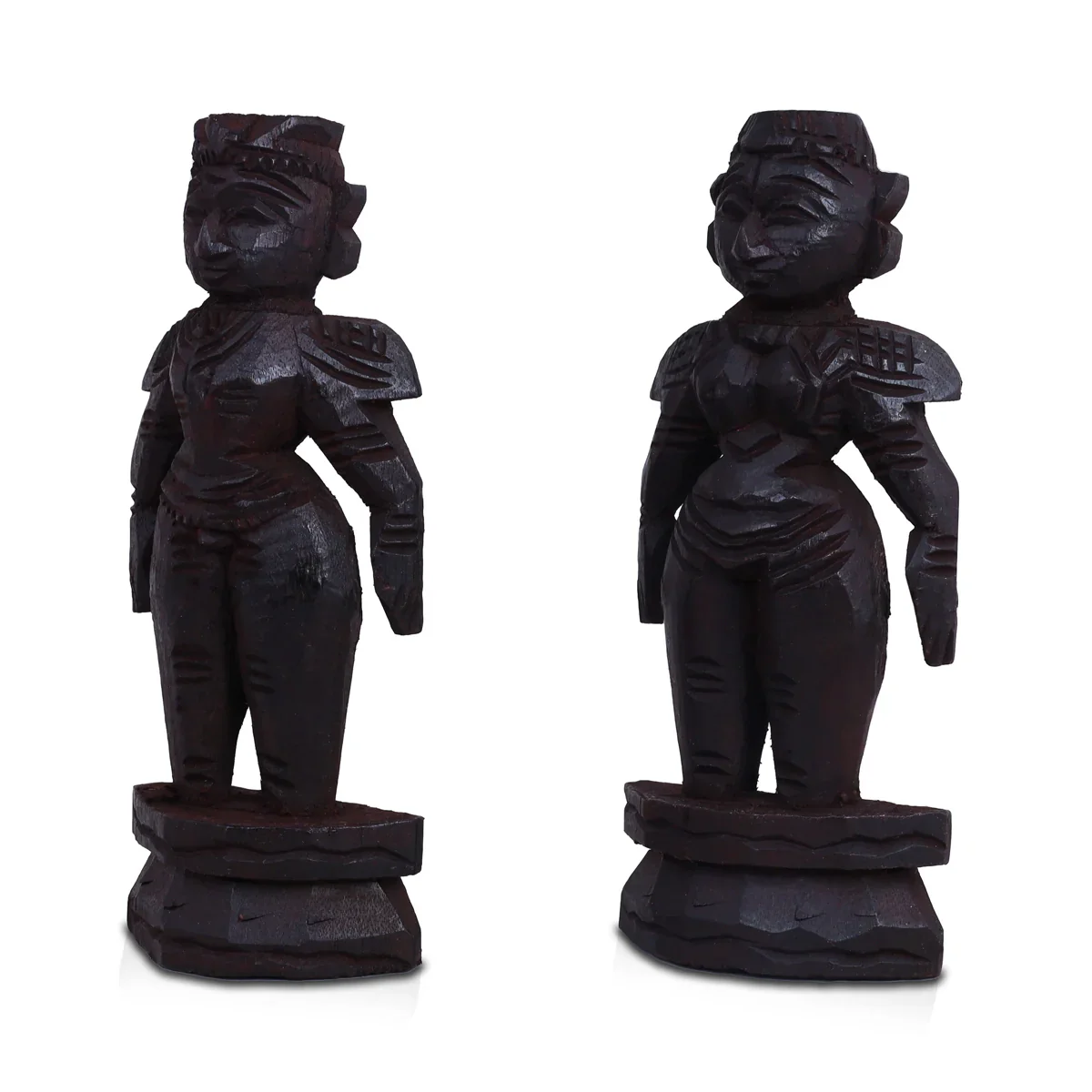
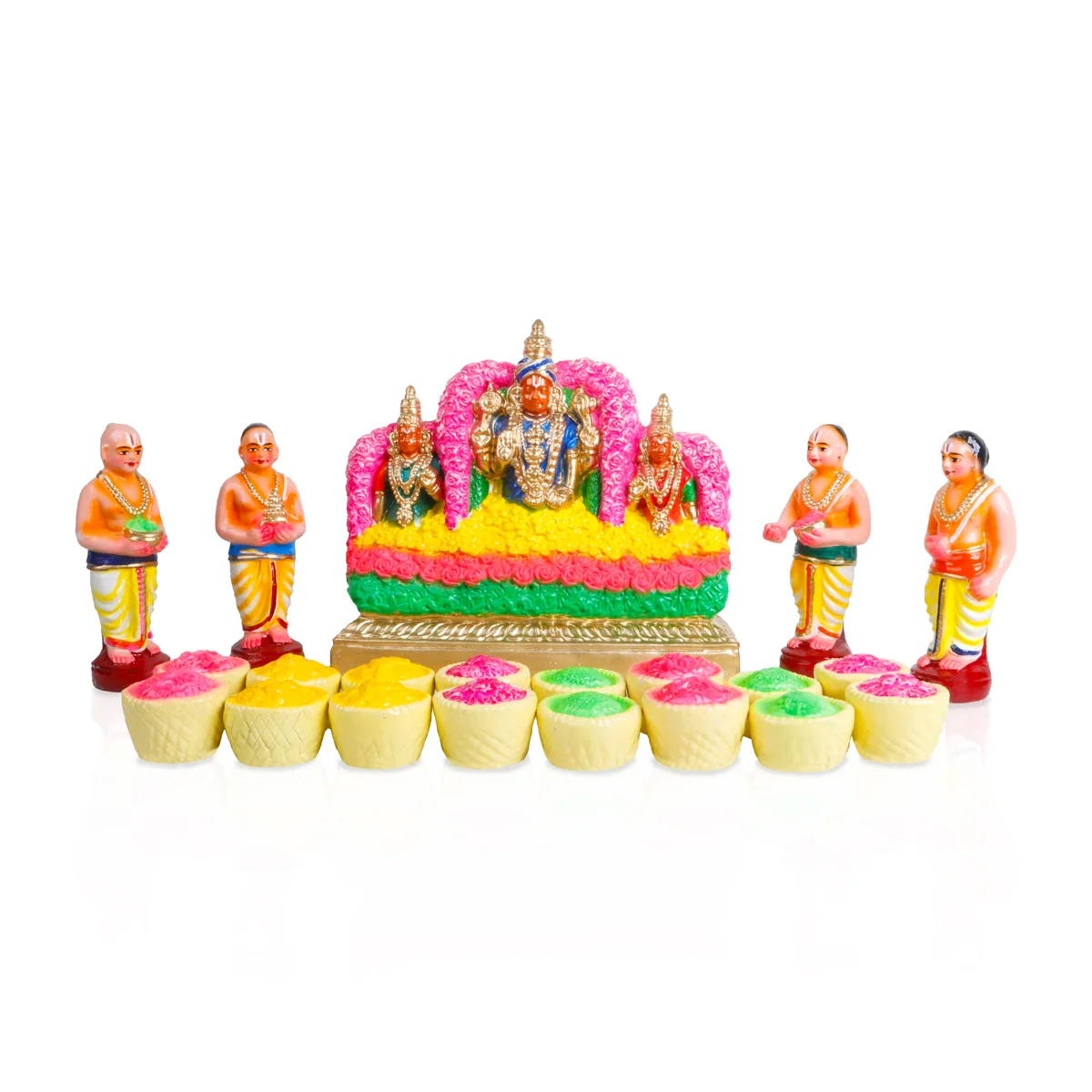
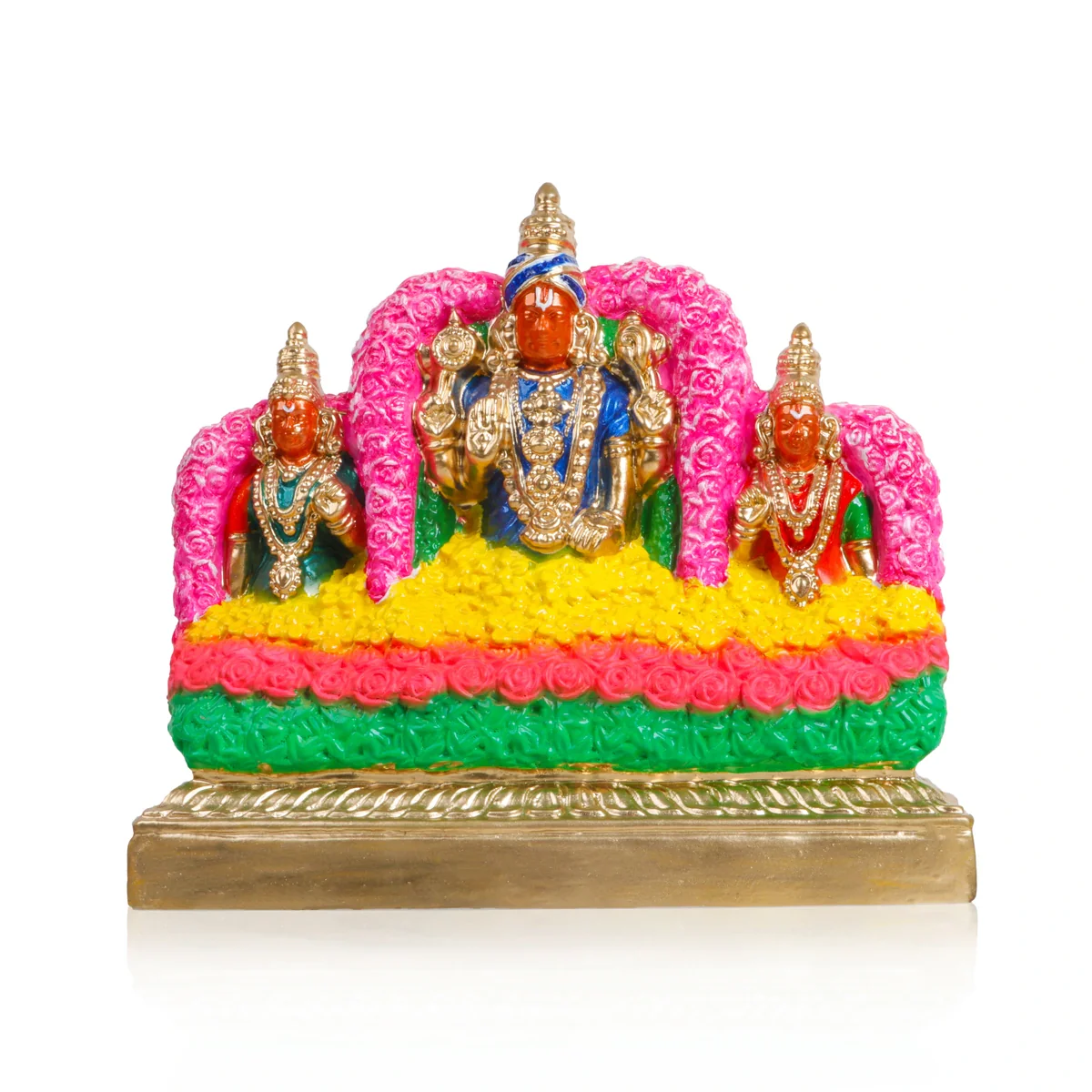
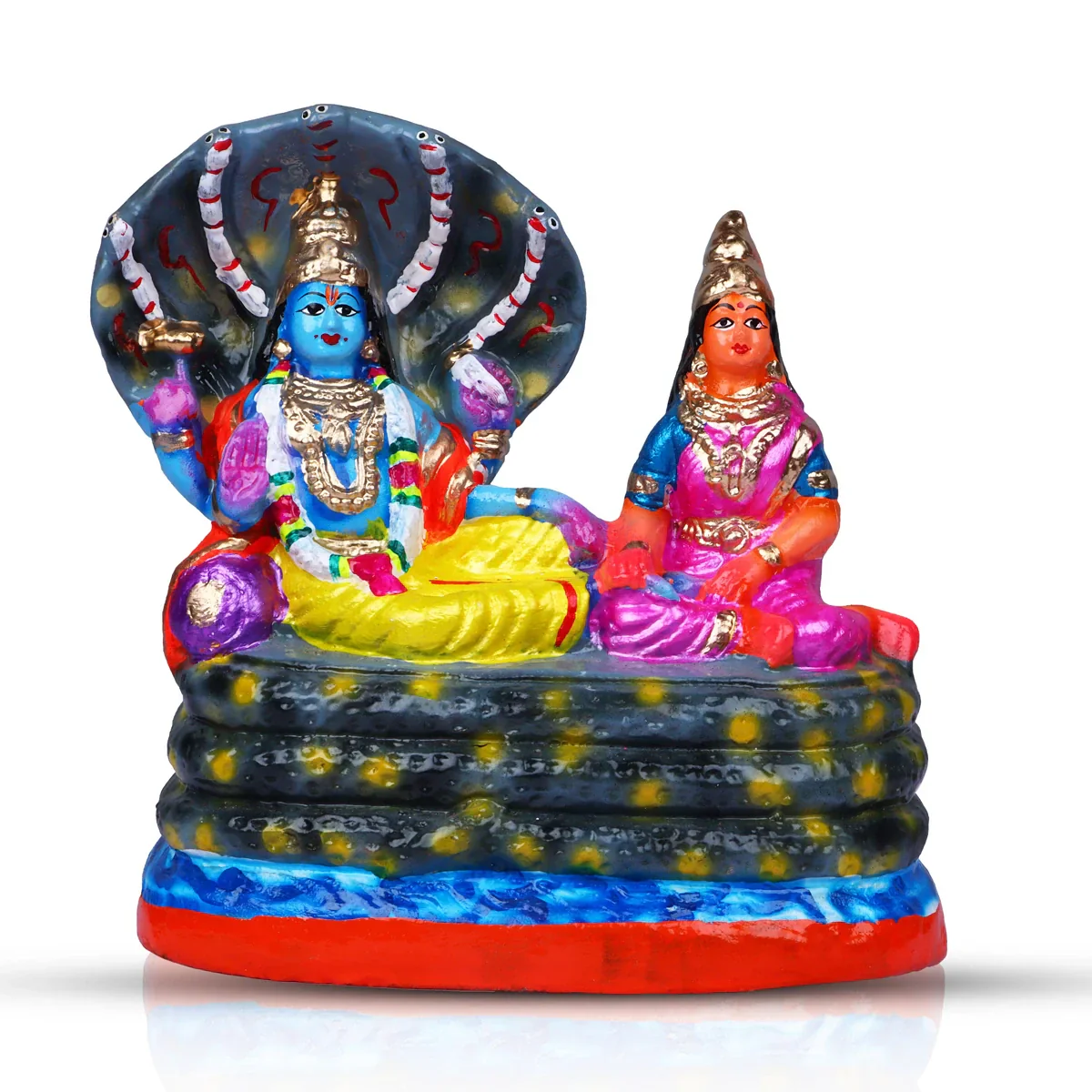
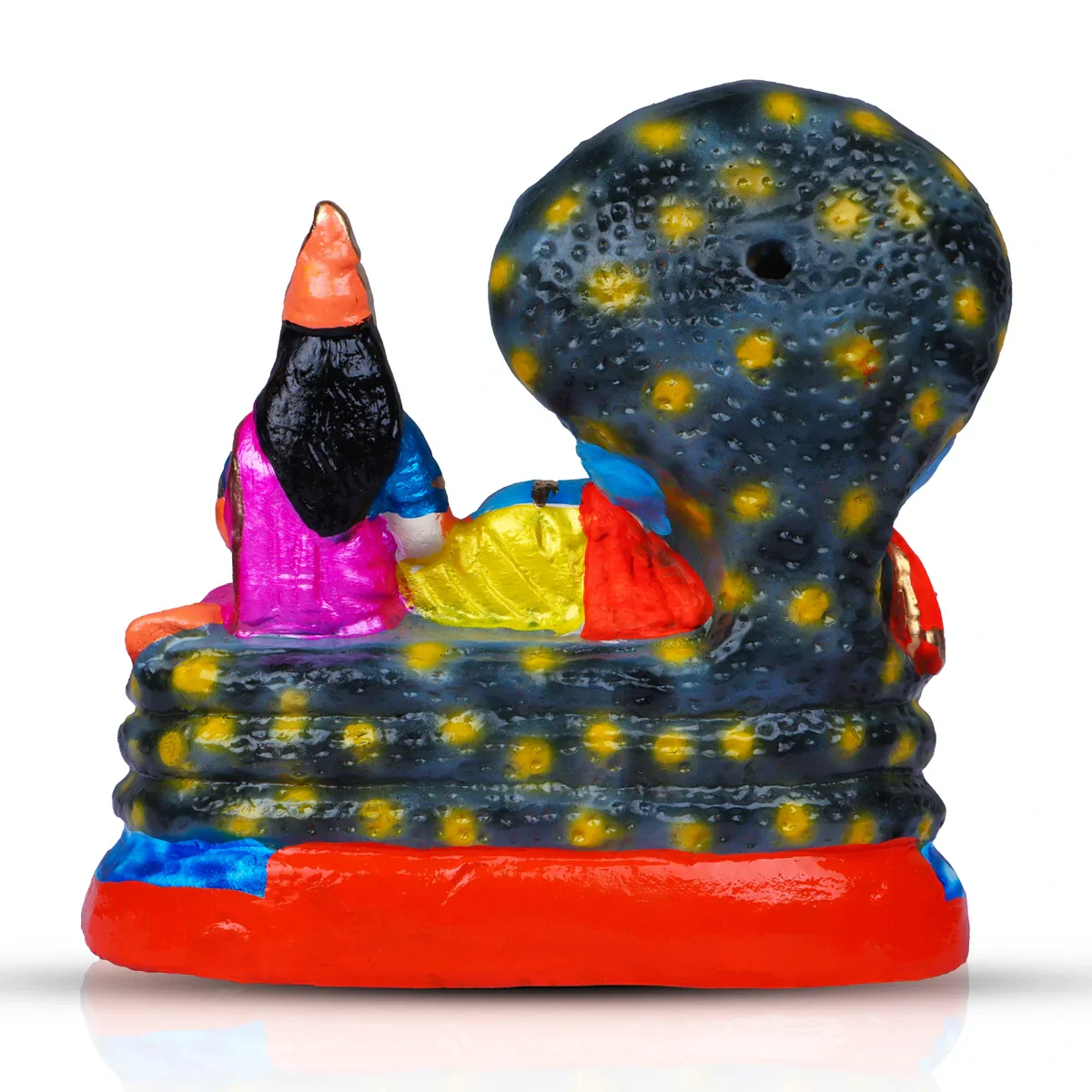
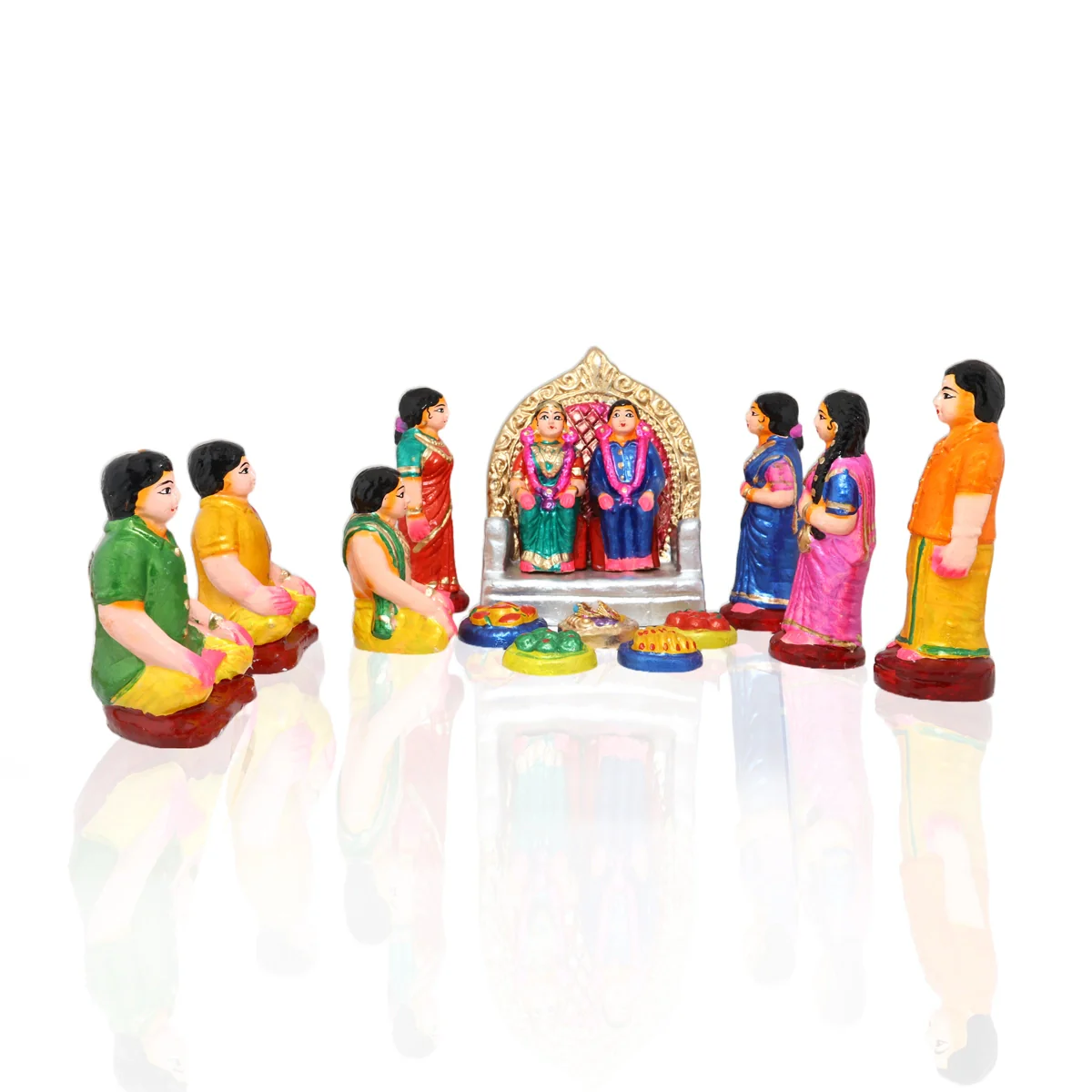
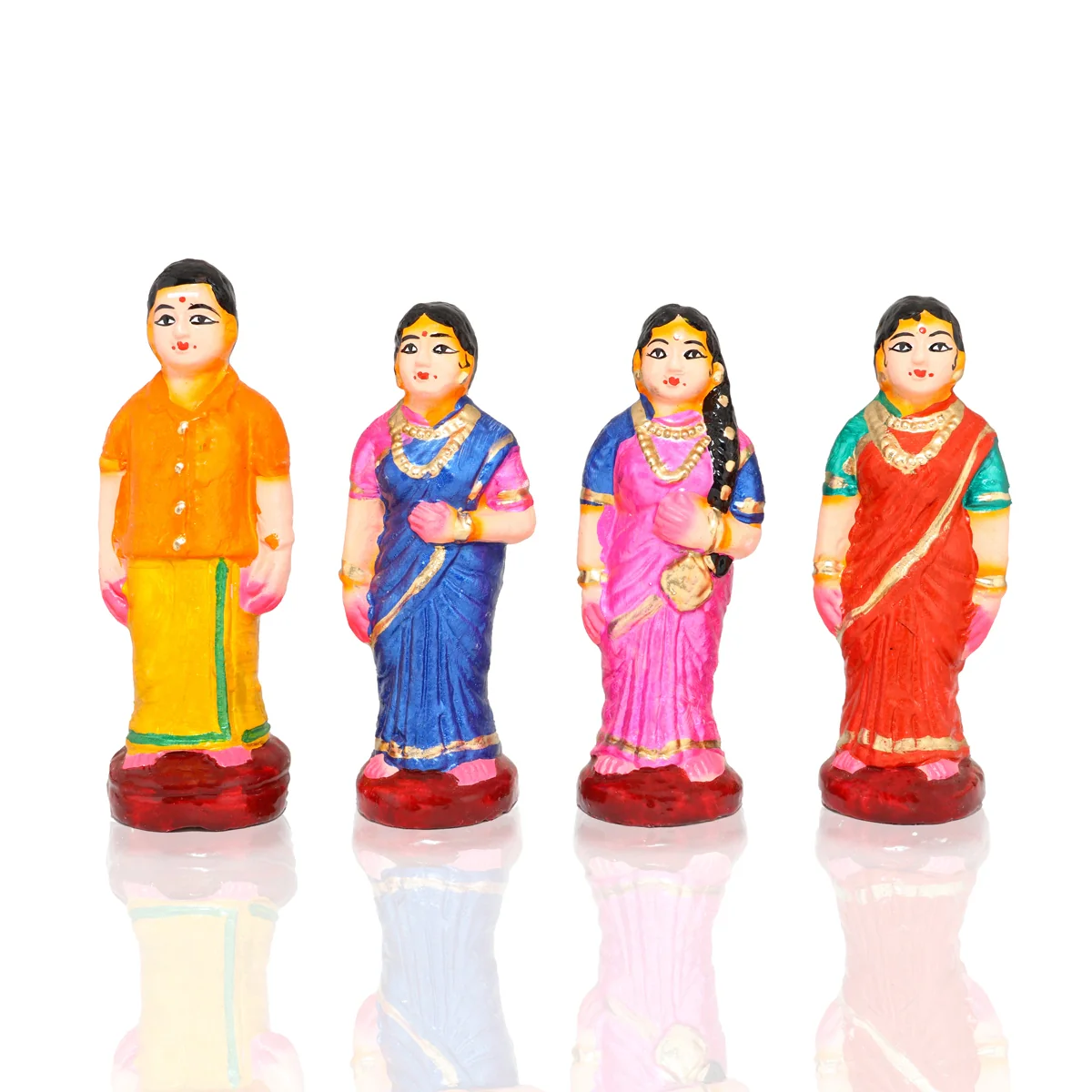
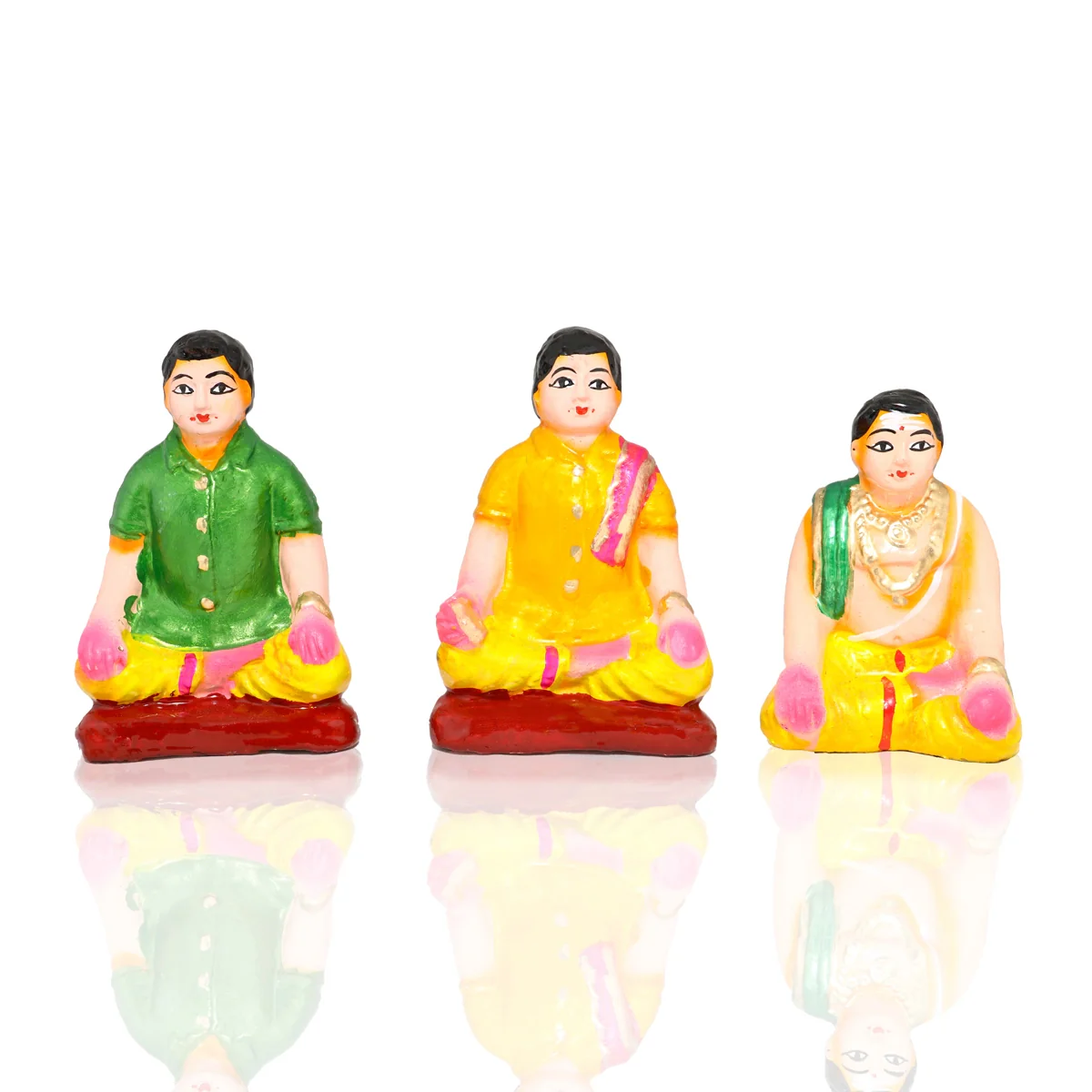
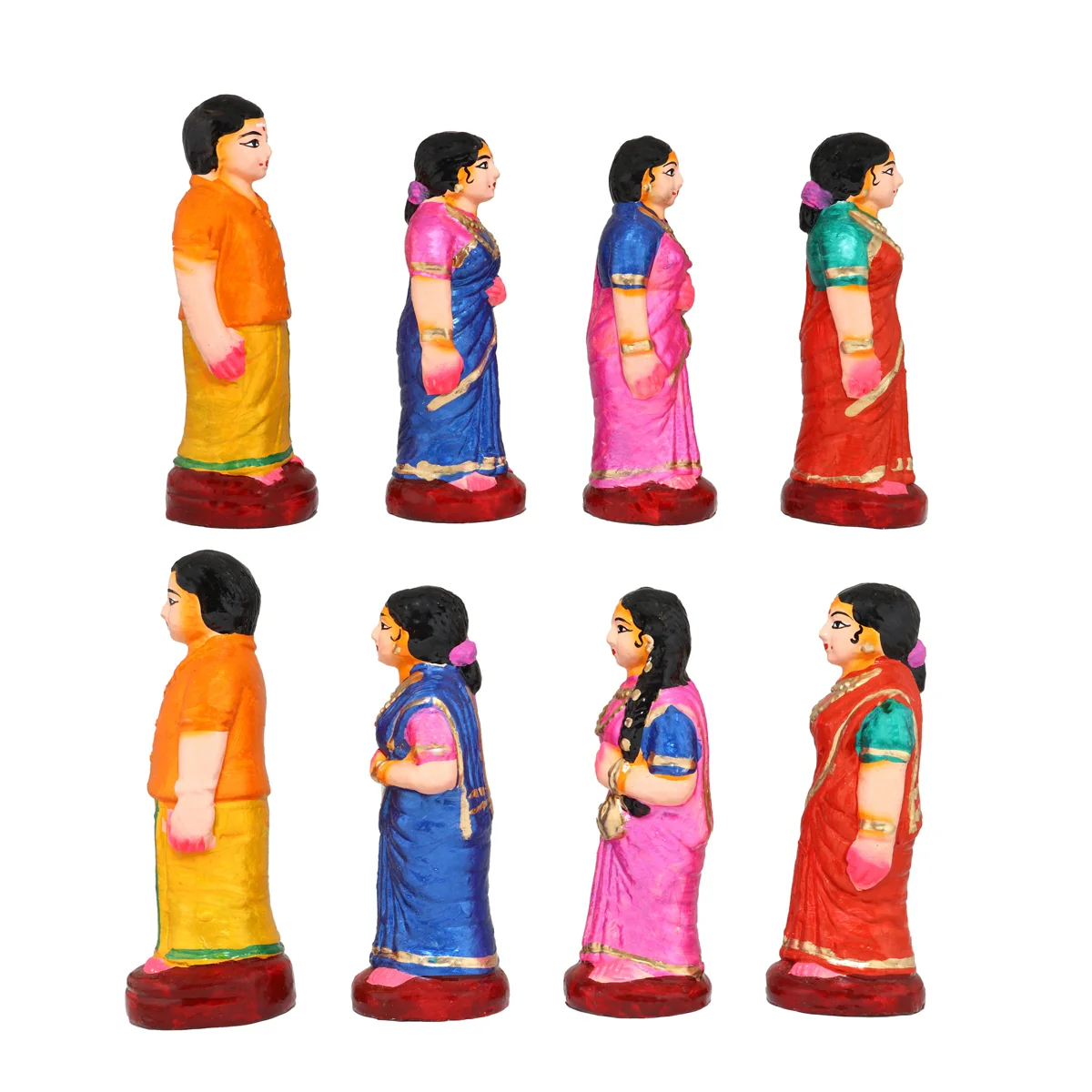
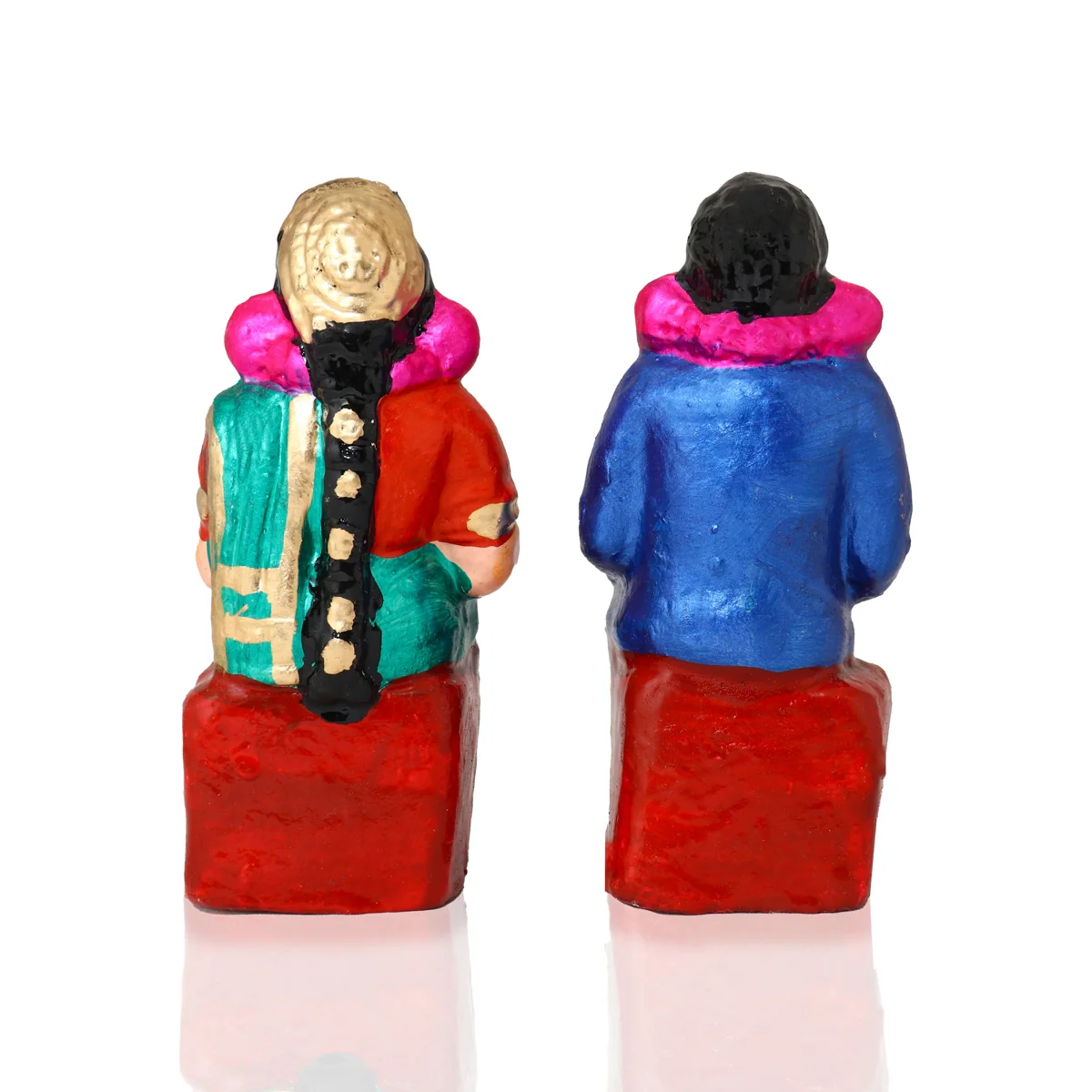
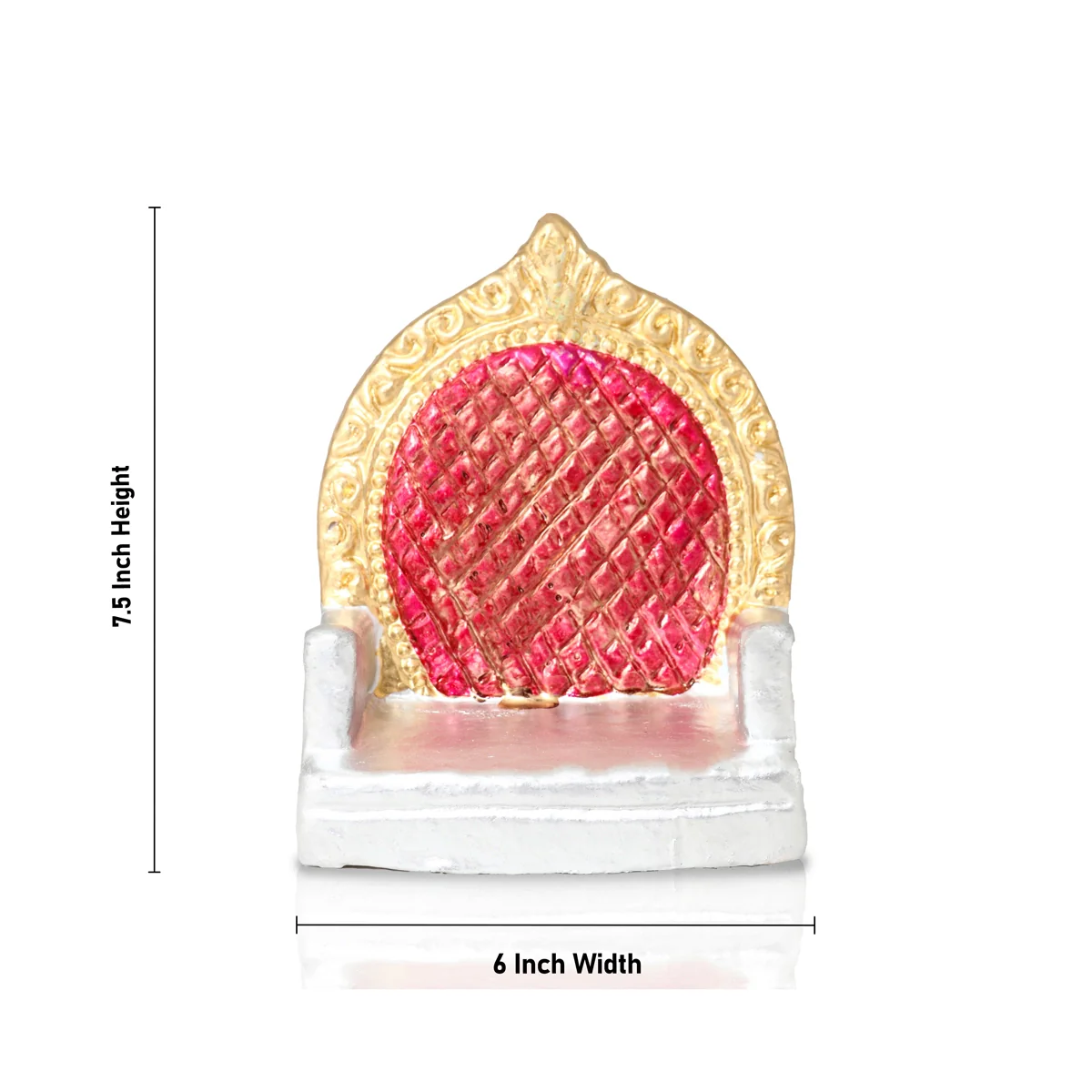
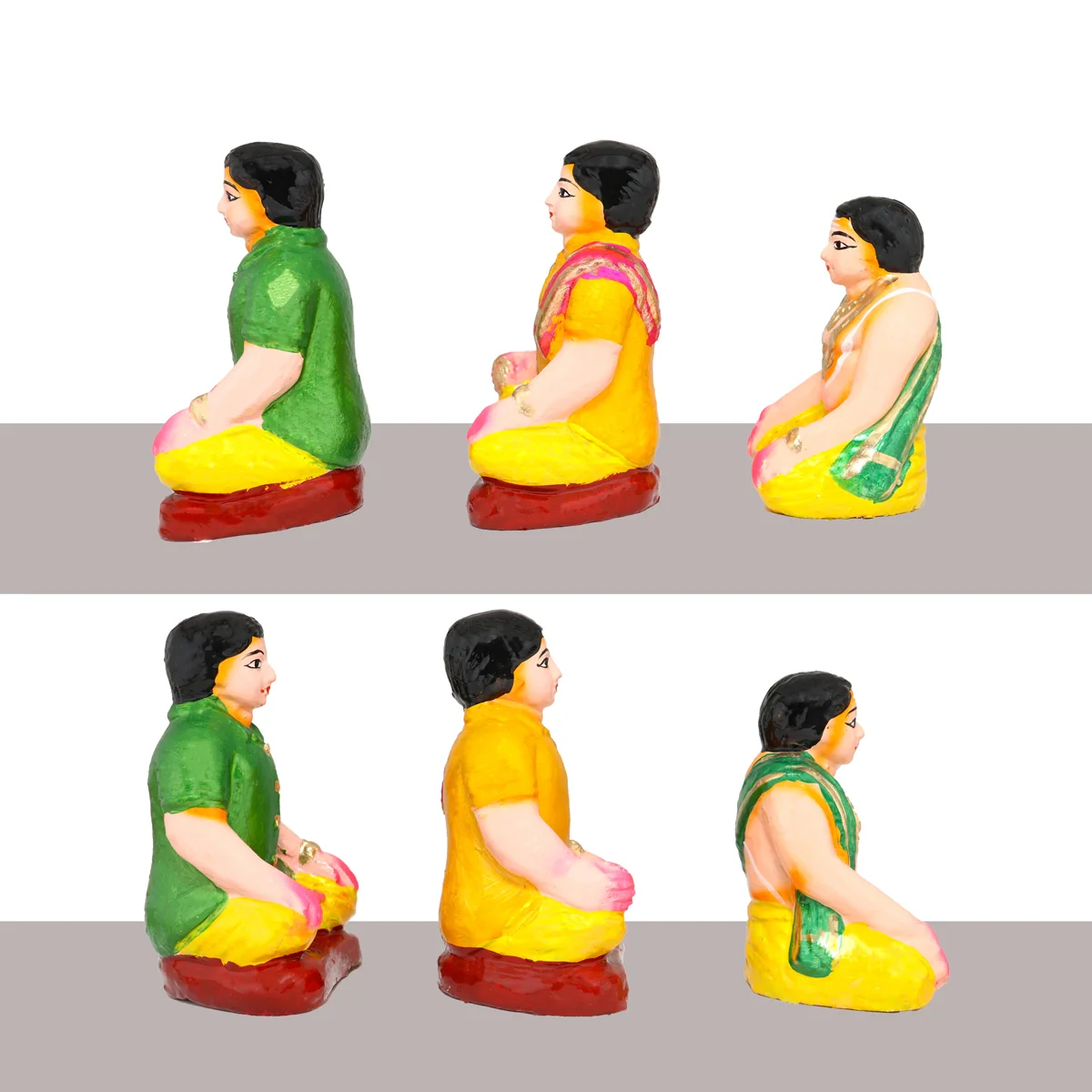
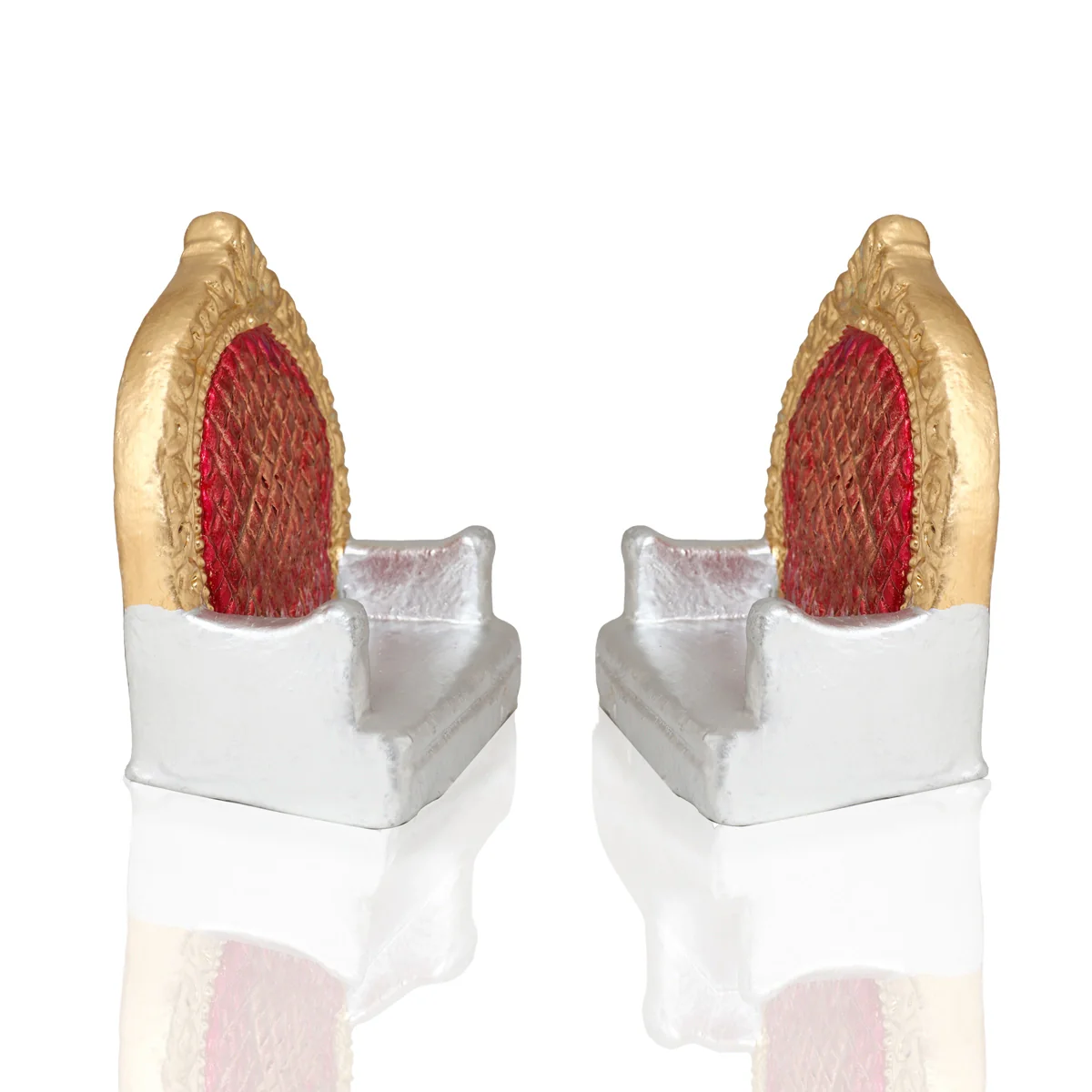
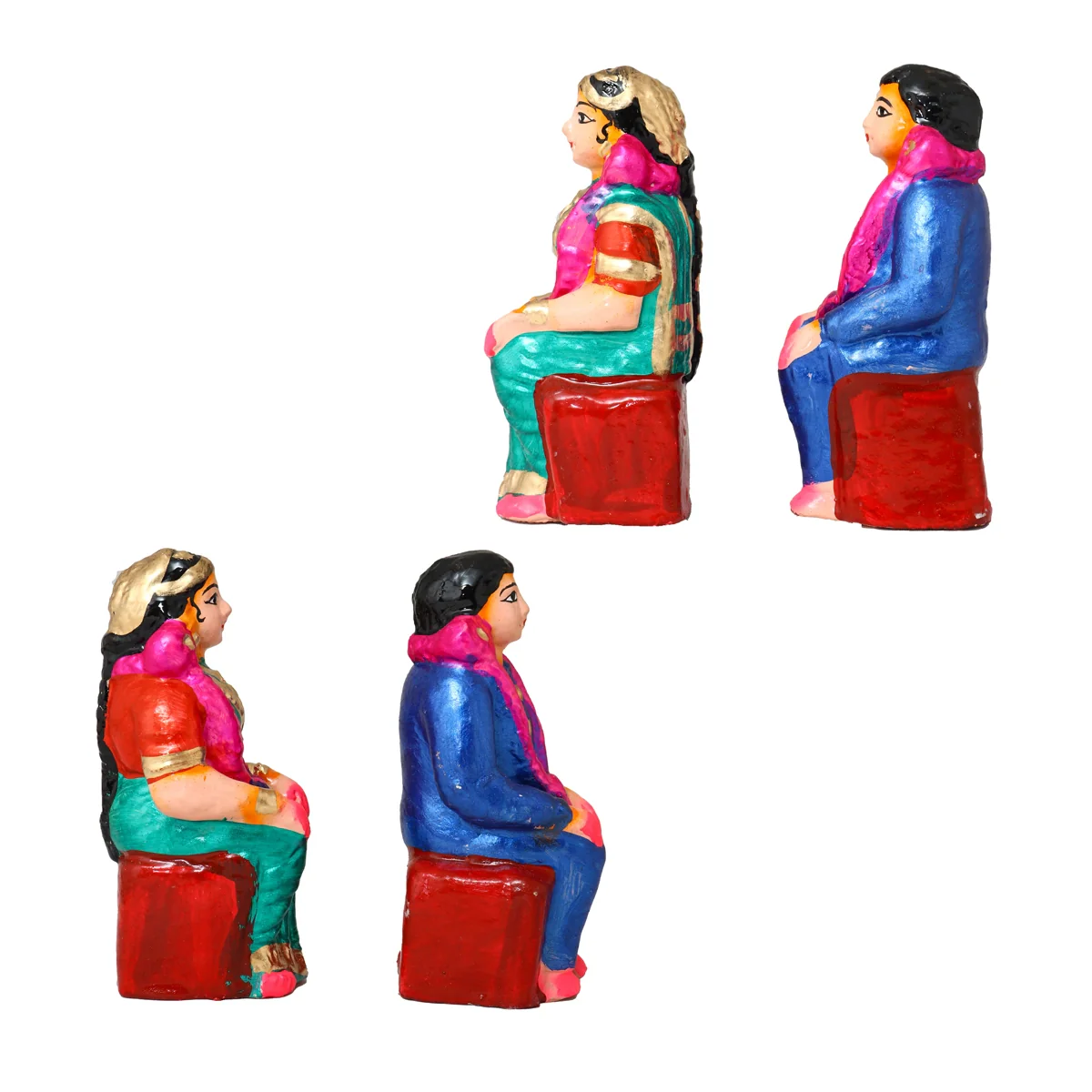
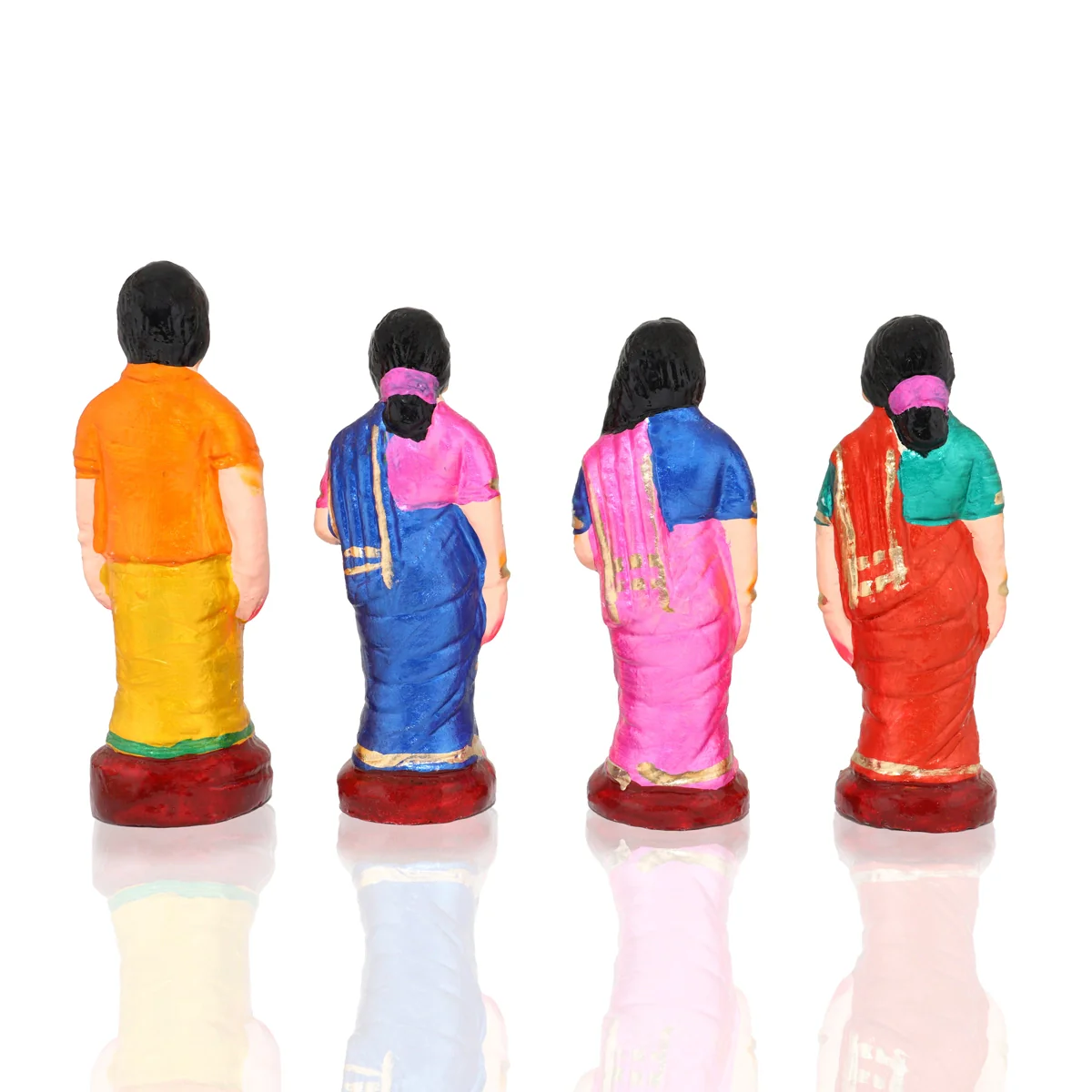
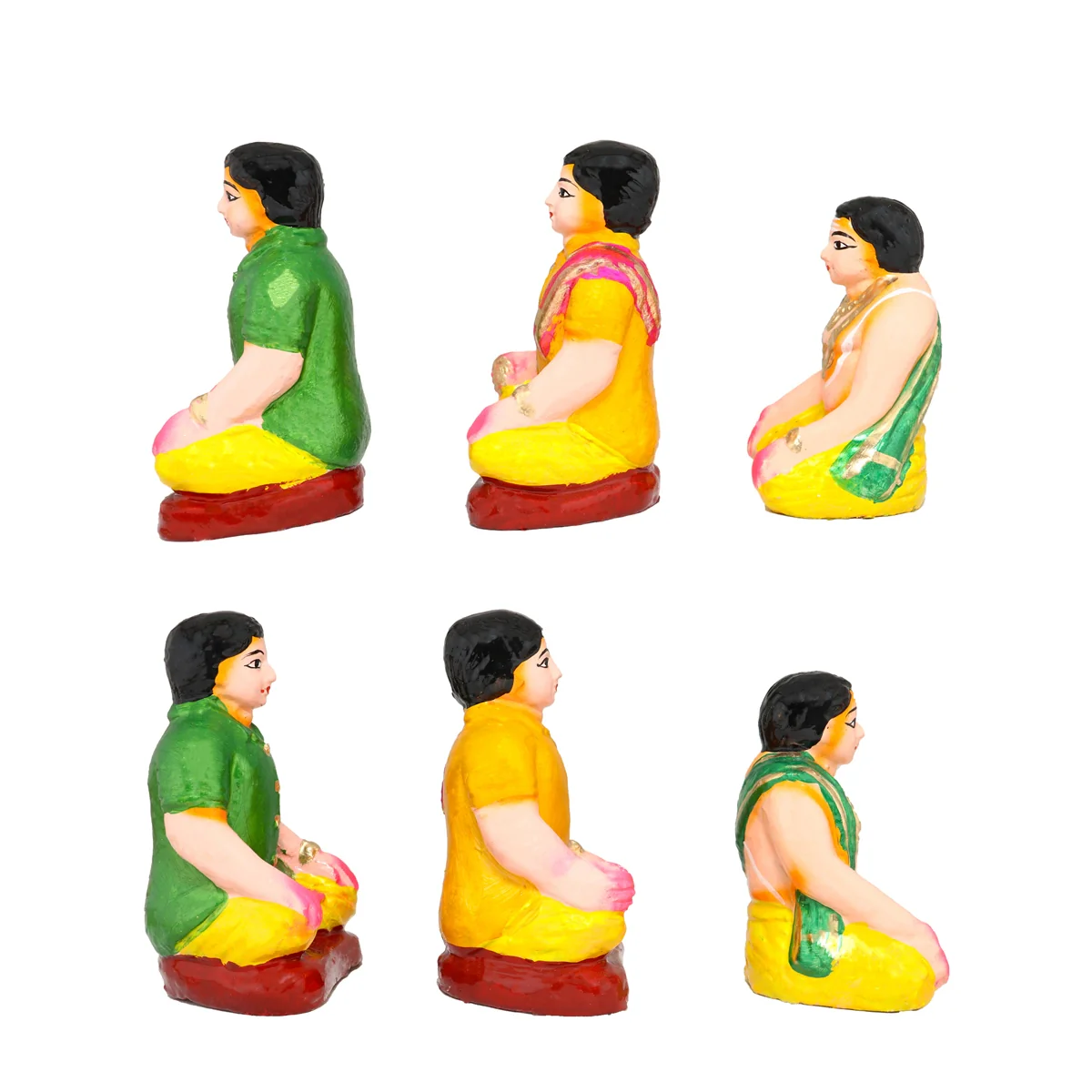
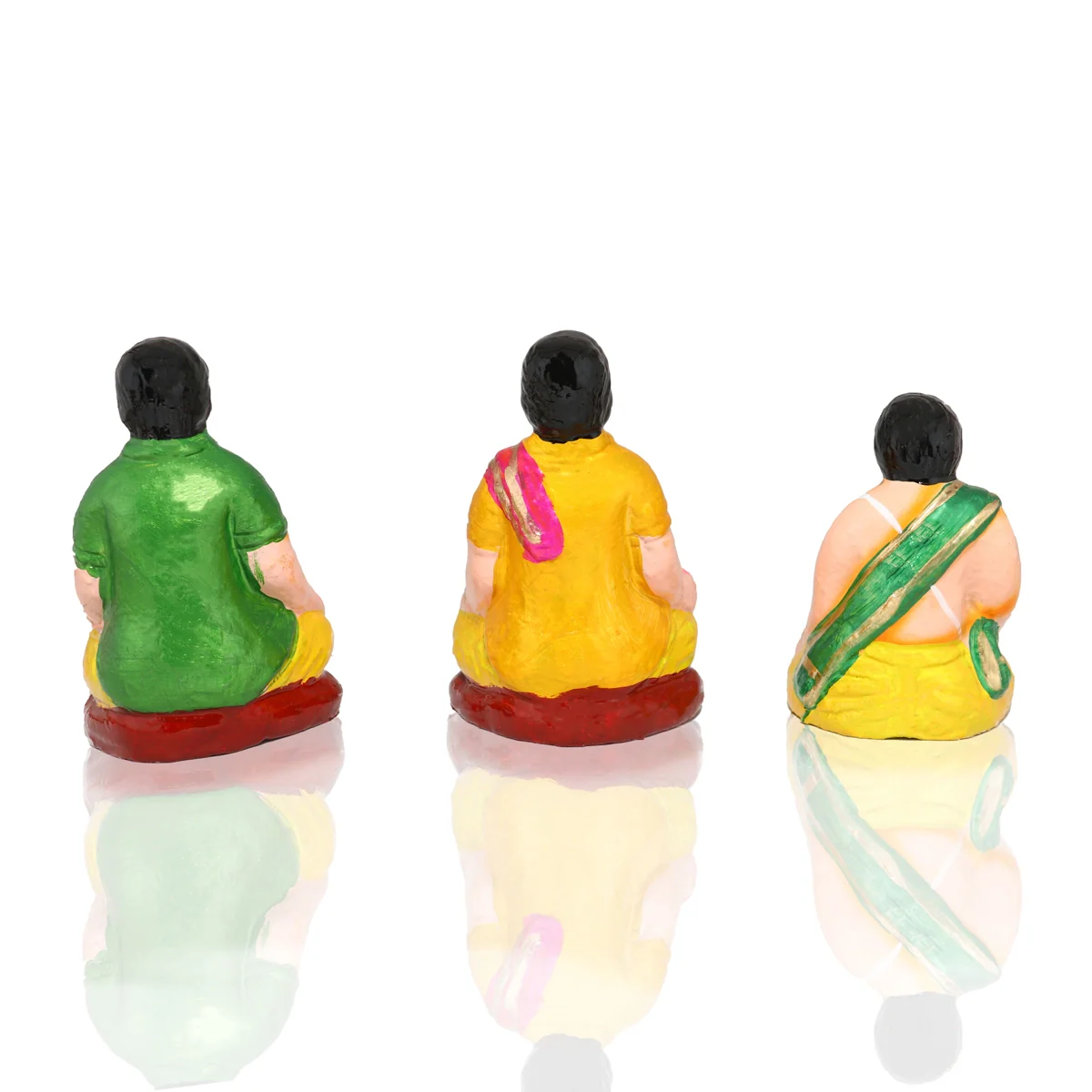
Enhance your festive celebrations with this beautifully crafted Golu doll made from clay, a perfect addition to your Navaratri Golu display. This classic golu bommai, with its elaborate details and vivid hues, reflects India's rich cultural legacy. Every Golu doll has a distinct charm that adds life to your festive arrangement, whether it represents gods, mythological figures, or scenes from our regular life like this one. This beautiful sculpture, which is perfect for collectors and believers, gives your golu decor a touch of tradition, grace, and dedication.
Golu is celebrated during Navaratri to honor the divine feminine energy and showcase the rich traditions of storytelling through beautifully arranged kolu dolls. Deities, saints, and legendary golu figures are arranged in levels to represent the cosmic order and the journey from spiritual ignorance to enlightenment. Additionally, this festival is a time for devotional singing, cultural performances, and social gatherings. Families invite guests to view their Golu bommai display, exchange gifts, and share prasad, fostering community and devotion. Future generations can inherit customs, values, and stories by participating in Golu celebrations.
Nichiyadhartham, the traditional Tamil engagement ceremony, is a significant pre-wedding ritual symbolizing the formal agreement between two families to unite through marriage. This event is carried out with the blessings of elders and deities, representing a sacred bond and mutual commitment.
The term ""Nichiyadhartham"" comes from Sanskrit, where ‘Nischaya’ means decision and ‘Artham’ means purpose—together implying a purposeful promise or commitment between the bride and groom’s families.
Key Rituals and Customs:
1. Choosing the Auspicious Time:
Before the ceremony, astrologers are consulted to find a favorable time (muhurtham) for the event based on the couple’s horoscopes.
2. Exchange of Gifts and Traditions:
On the engagement day, the groom’s family visits the bride’s home or a designated venue carrying traditional gifts such as sarees, jewelry, fruits, sweets, and coconuts. The bride’s family offers gifts in return, symbolizing acceptance and goodwill.
3. Formal Agreement Announcement:
Elders from both families officially declare their consent to the union. A priest performs rituals seeking divine and ancestral blessings. The groom is honored with offerings from the bride’s family.
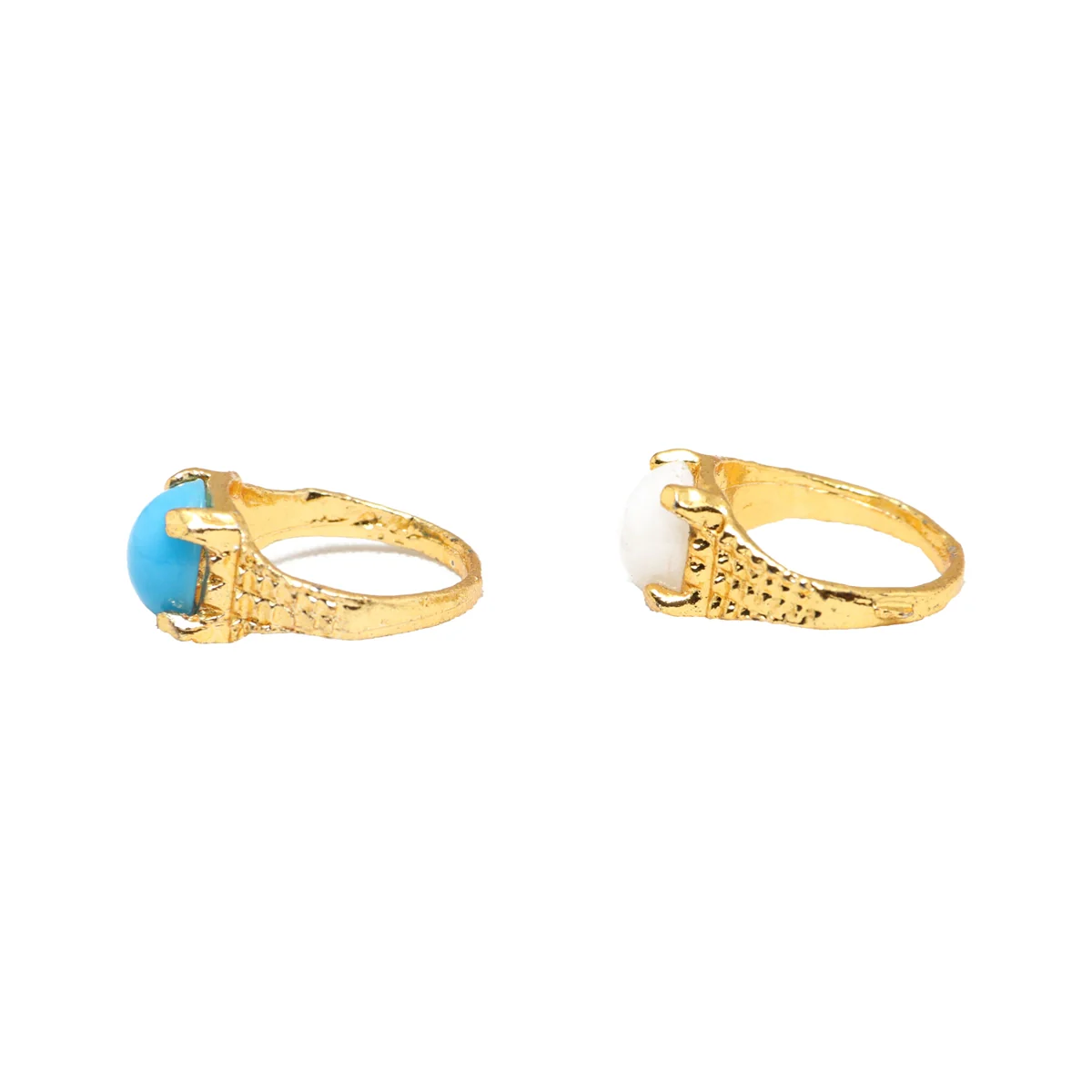
4. Ring Exchange (Modern Addition):
In contemporary settings, the couple may exchange rings, although this is not originally part of Tamil customs and varies by family preference.
5. Celebratory Feast:
The ceremony concludes with a traditional meal served on banana leaves, bringing everyone together in celebration.
Nichiyadhartham is more than just a prelude to marriage—it is a joyful gathering that reinforces familial ties, cultural values, and the sacred step toward a lifelong union.
Details & Craftsmanship
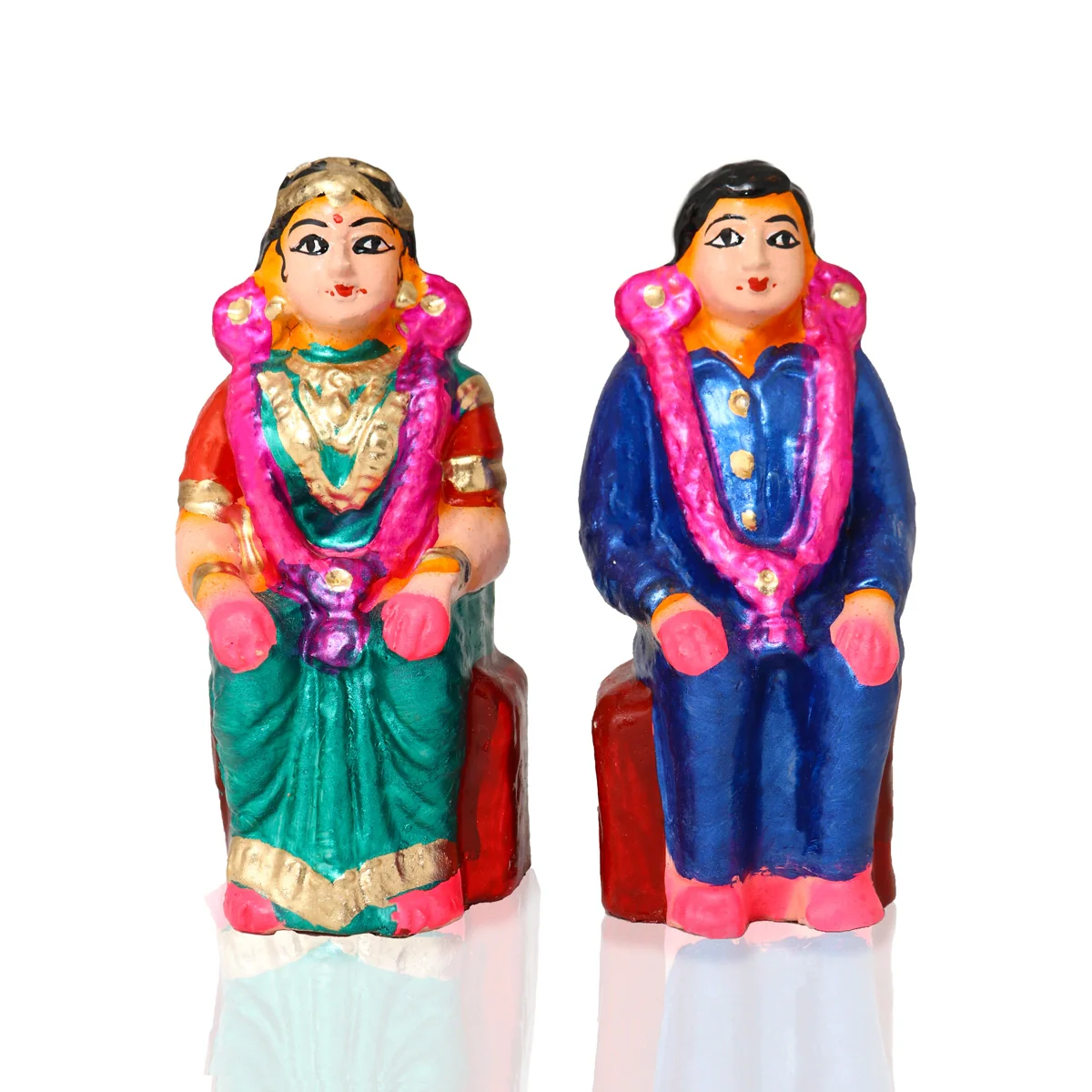
Every detail has been carefully considered to bring you the perfect product.
Details & Craftsmanship
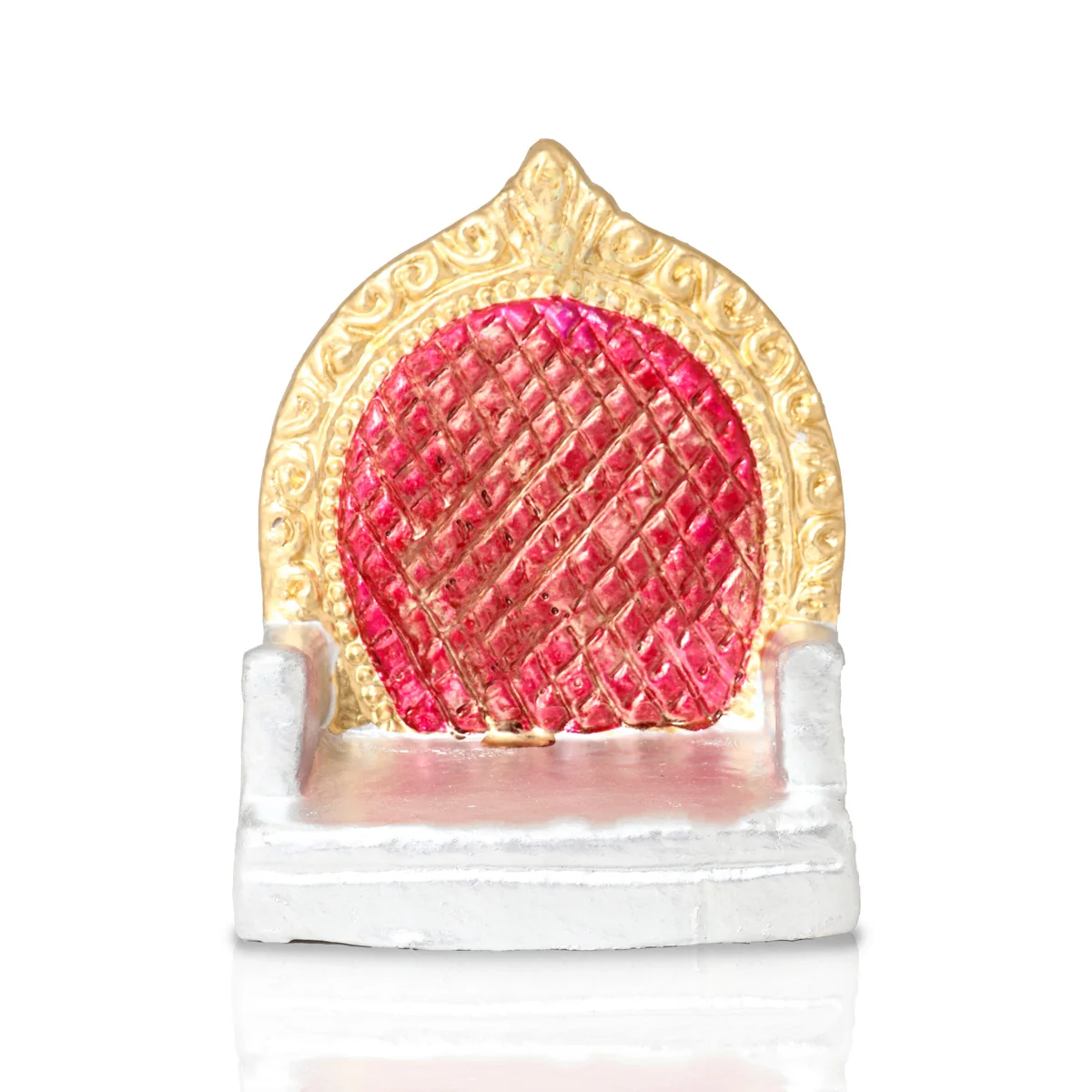
Every detail has been carefully considered to bring you the perfect product.
Details & Craftsmanship
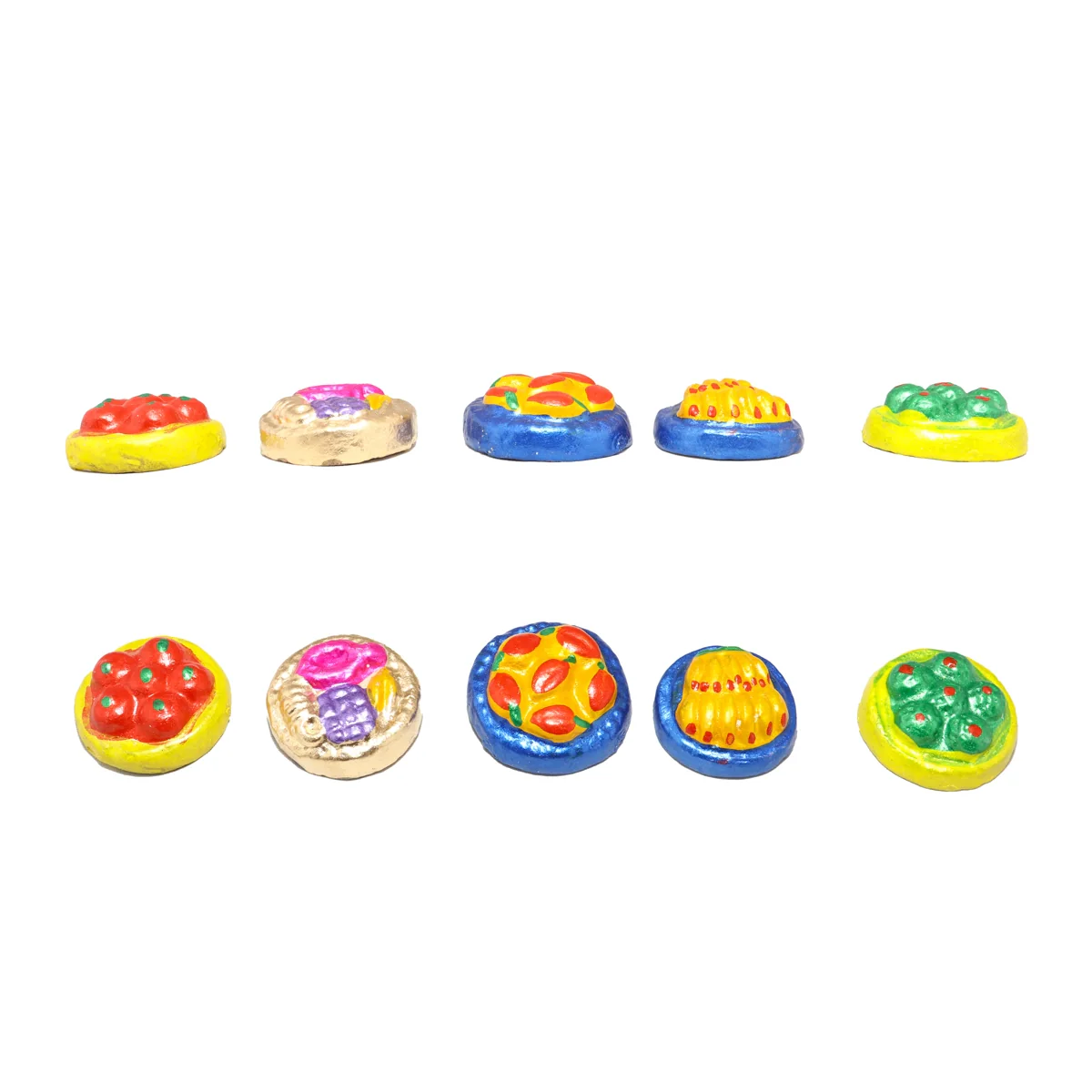
Every detail has been carefully considered to bring you the perfect product.
Details & Craftsmanship
Every detail has been carefully considered to bring you the perfect product.
Details & Craftsmanship
Every detail has been carefully considered to bring you the perfect product.
Details & Craftsmanship
Every detail has been carefully considered to bring you the perfect product.
Details & Craftsmanship
Every detail has been carefully considered to bring you the perfect product.
Details & Craftsmanship
Every detail has been carefully considered to bring you the perfect product.
Details & Craftsmanship
Every detail has been carefully considered to bring you the perfect product.
Details & Craftsmanship
Every detail has been carefully considered to bring you the perfect product.
Details & Craftsmanship
Every detail has been carefully considered to bring you the perfect product.
Details & Craftsmanship
Every detail has been carefully considered to bring you the perfect product.
Details & Craftsmanship
Every detail has been carefully considered to bring you the perfect product.
Details & Craftsmanship
Every detail has been carefully considered to bring you the perfect product.
Details & Craftsmanship
Every detail has been carefully considered to bring you the perfect product.
Details & Craftsmanship
Every detail has been carefully considered to bring you the perfect product.
Description
Enhance your festive celebrations with this beautifully crafted Golu doll made from clay, a perfect addition to your Navaratri Golu display. This classic golu bommai, with its elaborate details and vivid hues, reflects India's rich cultural legacy. Every Golu doll has a distinct charm that adds life to your festive arrangement, whether it represents gods, mythological figures, or scenes from our regular life like this one. This beautiful sculpture, which is perfect for collectors and believers, gives your golu decor a touch of tradition, grace, and dedication.
Golu is celebrated during Navaratri to honor the divine feminine energy and showcase the rich traditions of storytelling through beautifully arranged kolu dolls. Deities, saints, and legendary golu figures are arranged in levels to represent the cosmic order and the journey from spiritual ignorance to enlightenment. Additionally, this festival is a time for devotional singing, cultural performances, and social gatherings. Families invite guests to view their Golu bommai display, exchange gifts, and share prasad, fostering community and devotion. Future generations can inherit customs, values, and stories by participating in Golu celebrations.
Nichiyadhartham, the traditional Tamil engagement ceremony, is a significant pre-wedding ritual symbolizing the formal agreement between two families to unite through marriage. This event is carried out with the blessings of elders and deities, representing a sacred bond and mutual commitment.
The term ""Nichiyadhartham"" comes from Sanskrit, where ‘Nischaya’ means decision and ‘Artham’ means purpose—together implying a purposeful promise or commitment between the bride and groom’s families.
Key Rituals and Customs:
1. Choosing the Auspicious Time:
Before the ceremony, astrologers are consulted to find a favorable time (muhurtham) for the event based on the couple’s horoscopes.
2. Exchange of Gifts and Traditions:
On the engagement day, the groom’s family visits the bride’s home or a designated venue carrying traditional gifts such as sarees, jewelry, fruits, sweets, and coconuts. The bride’s family offers gifts in return, symbolizing acceptance and goodwill.
3. Formal Agreement Announcement:
Elders from both families officially declare their consent to the union. A priest performs rituals seeking divine and ancestral blessings. The groom is honored with offerings from the bride’s family.
4. Ring Exchange (Modern Addition):
In contemporary settings, the couple may exchange rings, although this is not originally part of Tamil customs and varies by family preference.
5. Celebratory Feast:
The ceremony concludes with a traditional meal served on banana leaves, bringing everyone together in celebration.
Nichiyadhartham is more than just a prelude to marriage—it is a joyful gathering that reinforces familial ties, cultural values, and the sacred step toward a lifelong union.