The Story
"Make your deity shine with beautiful charm using the classic Kemp Chutti."
• Product Description:
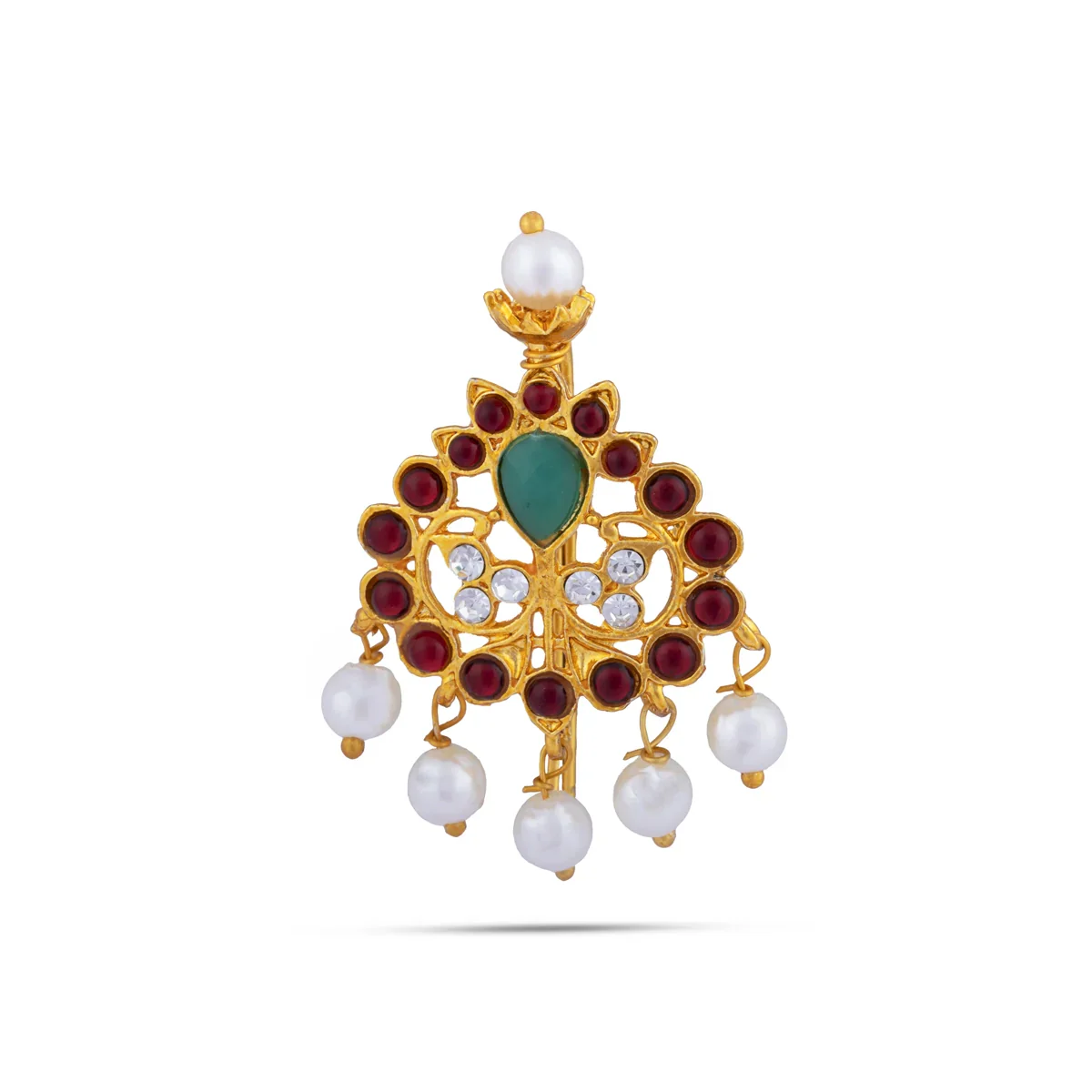
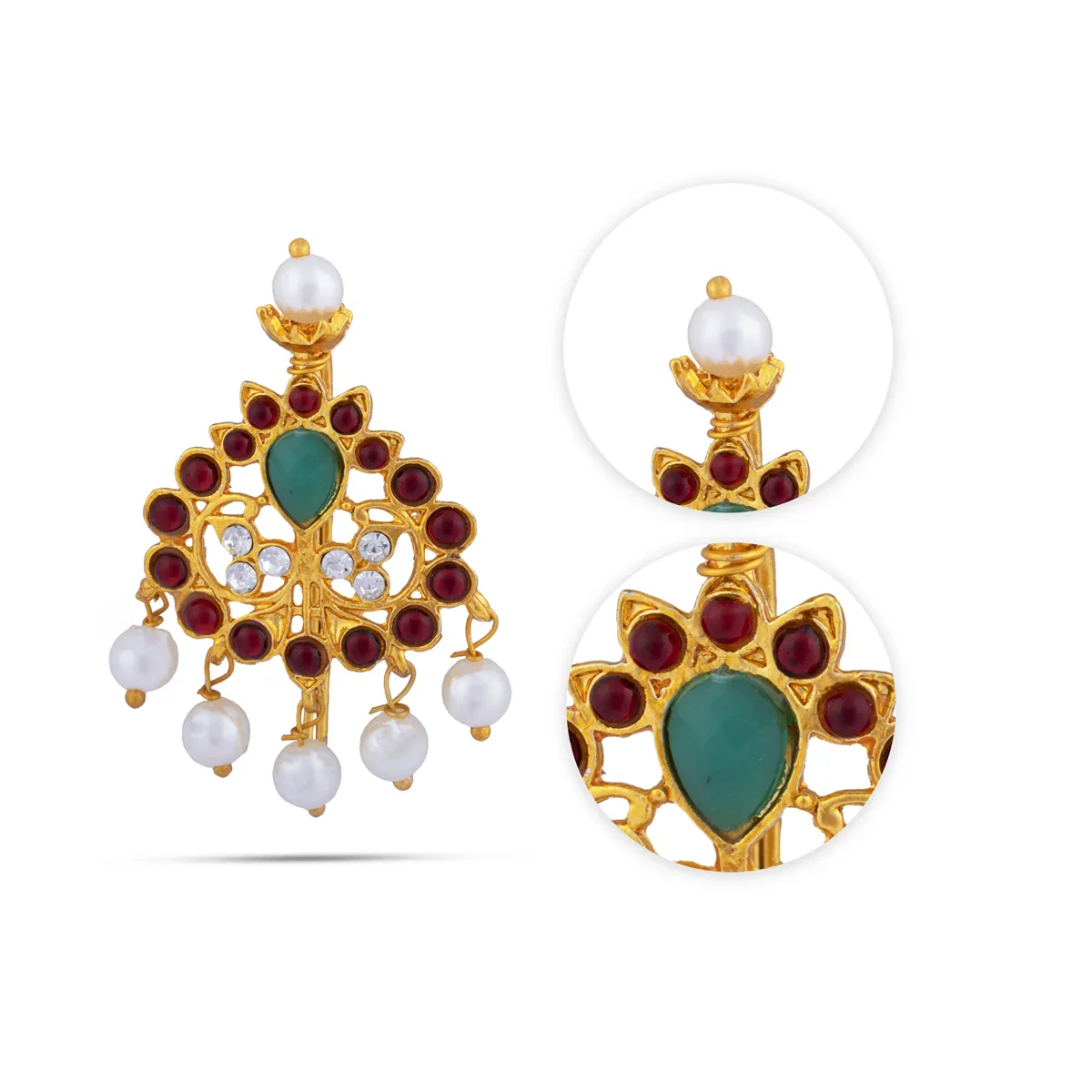
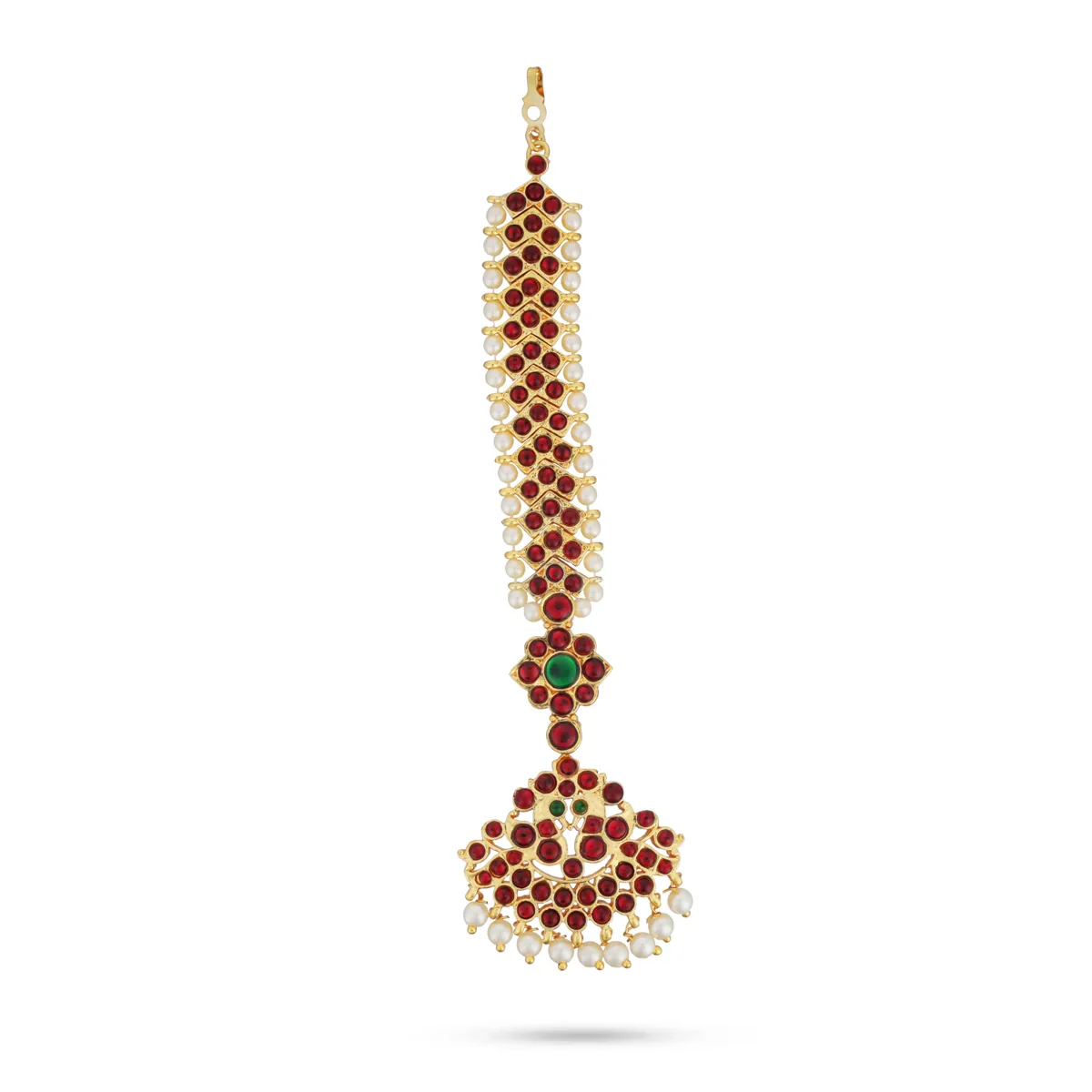
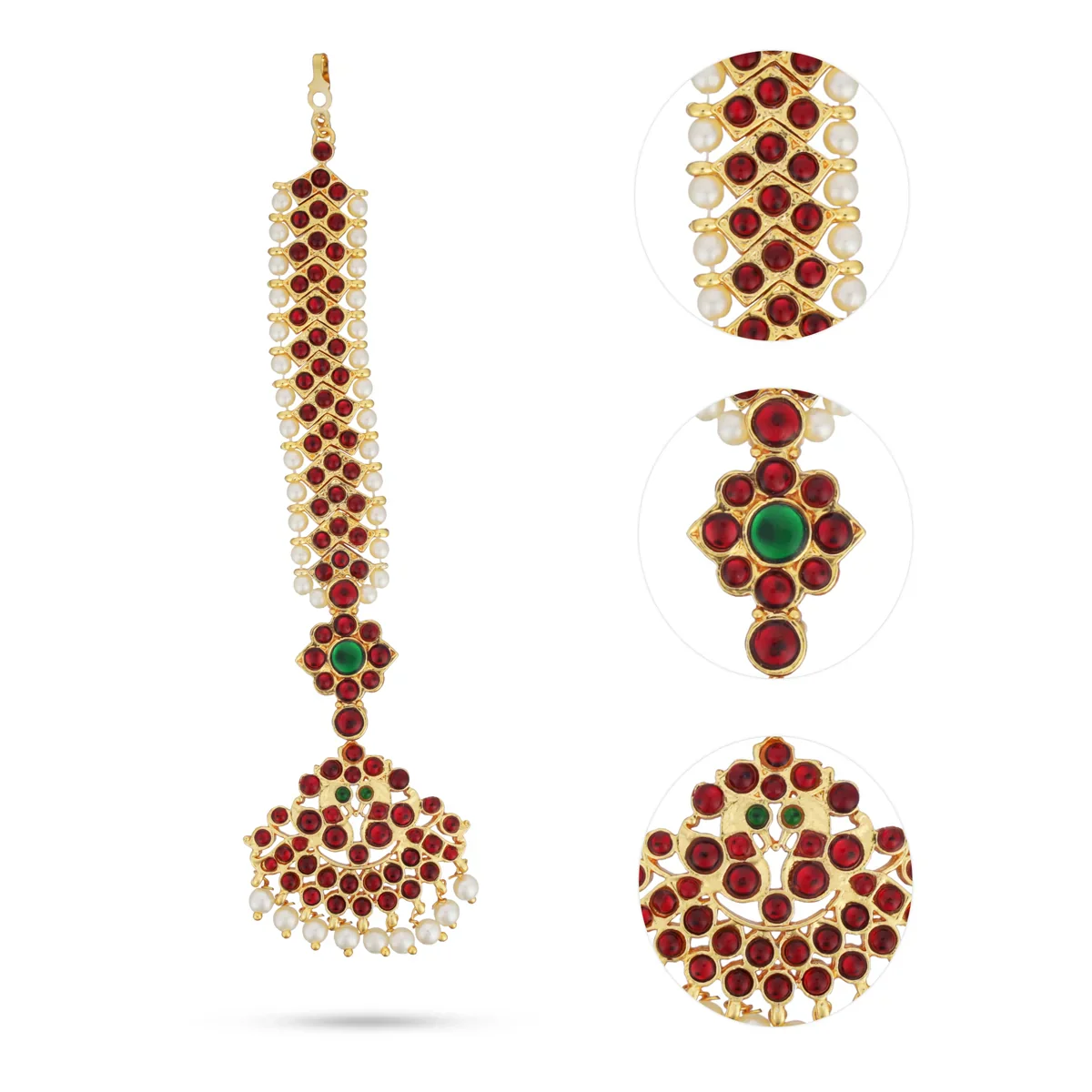
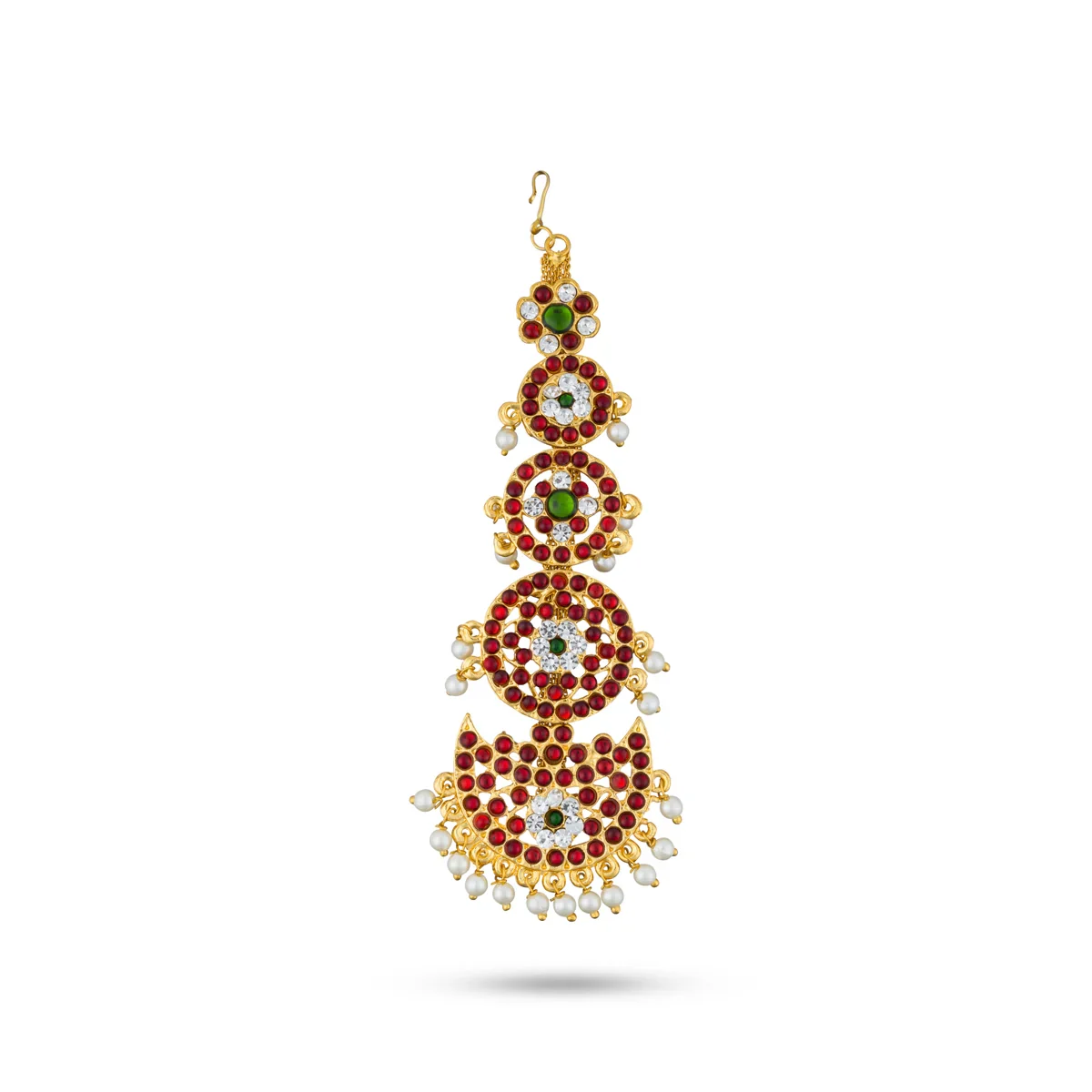
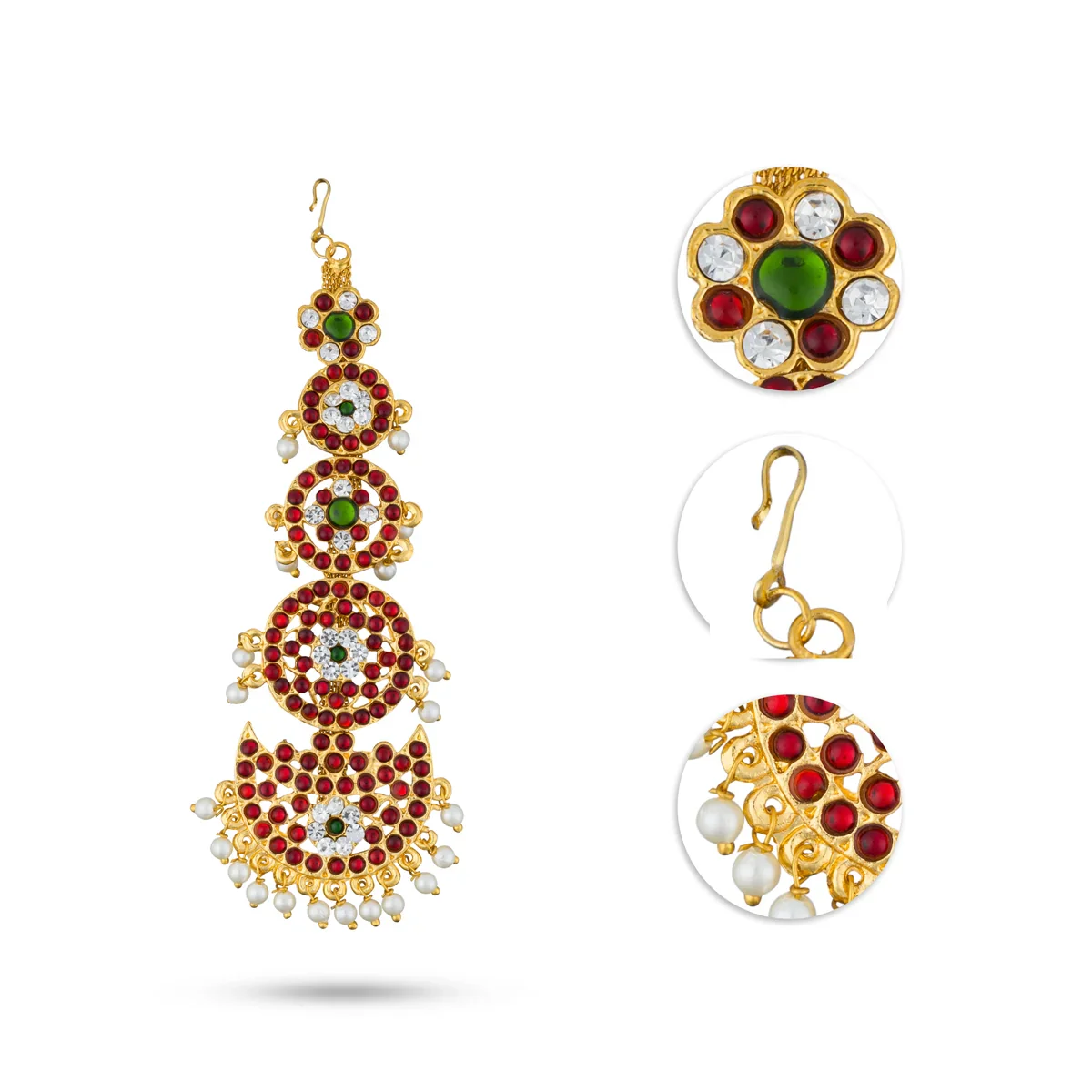
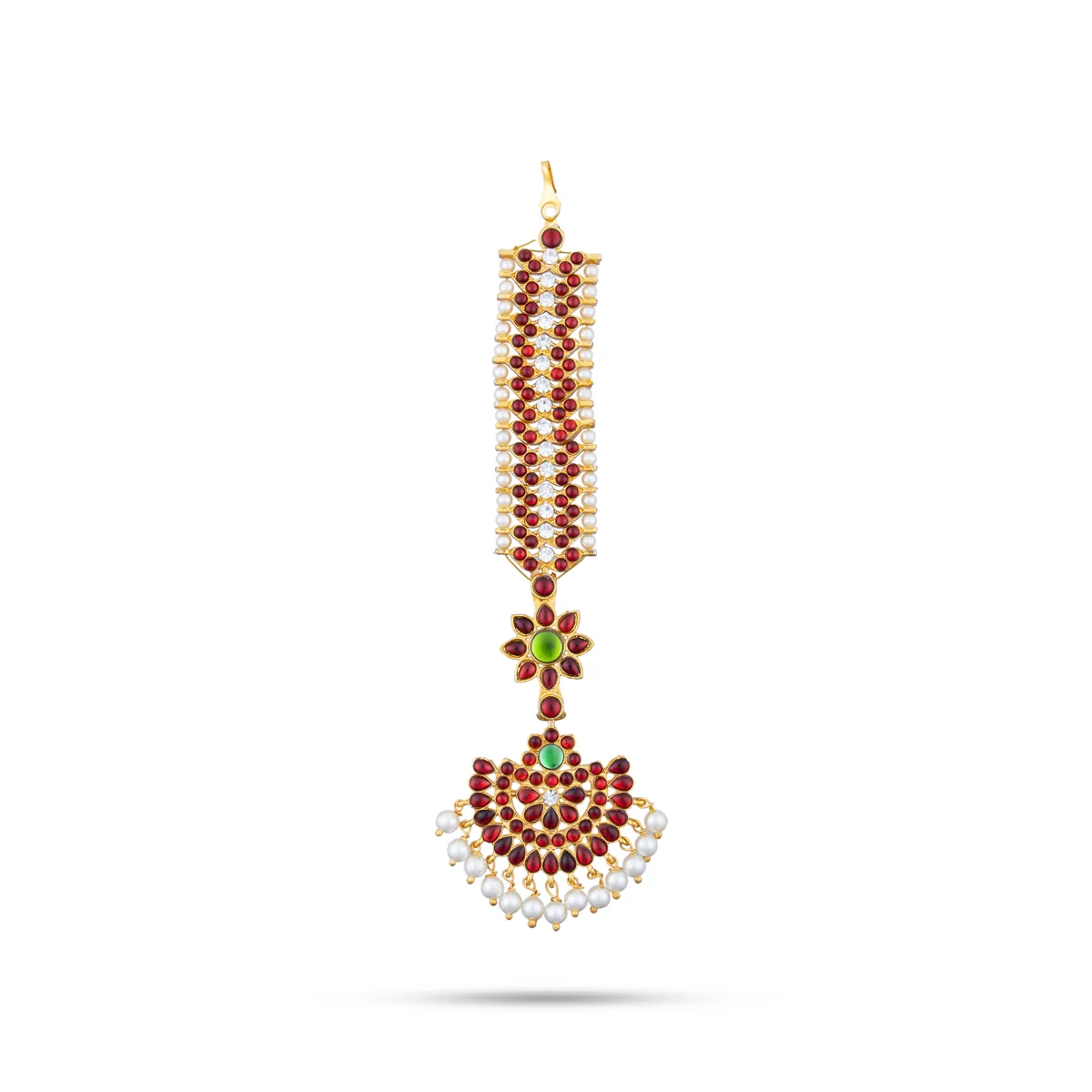
Nethi Chutti, which is also called Maang Tikka, Forehead Jewelry, or Hair Jewels, is an important part of traditional decorations. The Kemp Chutti shows off sacred skills and is made to add beauty and elegance to temple statues and in classical cultural traditions. Nethi chutti, maang tikka, forehead jewelry, and hair jewels are not just pretty pieces but also have special meanings, symbolizing good fortune and devotion in Hindu beliefs.
• Origins (History of the product):
The custom of wearing forehead decorations goes way back to ancient India, where these ornaments were an essential part of temple ceremonies, classical dancing, and bridal outfits. The Kemp Chutti, known for its striking red kemp stones, came from South India, inspired by temple jewelry that was created to beautify gods in temples and Bharatanatyam dancers who aimed to look like the divine.
• Reputation (Regional popularity):
This type of forehead jewelry has strong cultural connections in Tamil Nadu, Karnataka, and Andhra Pradesh. It is very popular in South Indian families, especially during celebrations and weddings. The Kemp Chutti is a well-known piece for Bharatanatyam performers and is often used to decorate idols during puja.
• Usage, Applications (Way to use the product):
The Kemp Chutti is carefully placed on the foreheads of deities during ceremonies, making them look more divine. Women also wear it as a nethi chutti or maang tikka for trips to temples, weddings, and cultural shows. Forehead jewelry and hair jewels like this one are crucial parts of traditional outfits.
• Preservation measures:
To keep the Nethi Chutti looking good for a long time, it’s best to store it in a soft cloth pouch or box, away from dampness. Try to keep it away from perfumes or water so that the kemp stones and metal stay shiny.
• Specific gods or festivals:
The Maang Tikka is often used to decorate Hindu gods such as Goddess Lakshmi, Goddess Andal, and Goddess Meenakshi during big temple festivals. It is also important during Navratri, temple celebrations, and wedding ceremonies, where hair jewels and forehead jewelry represent purity.
• Texture and typical nature:
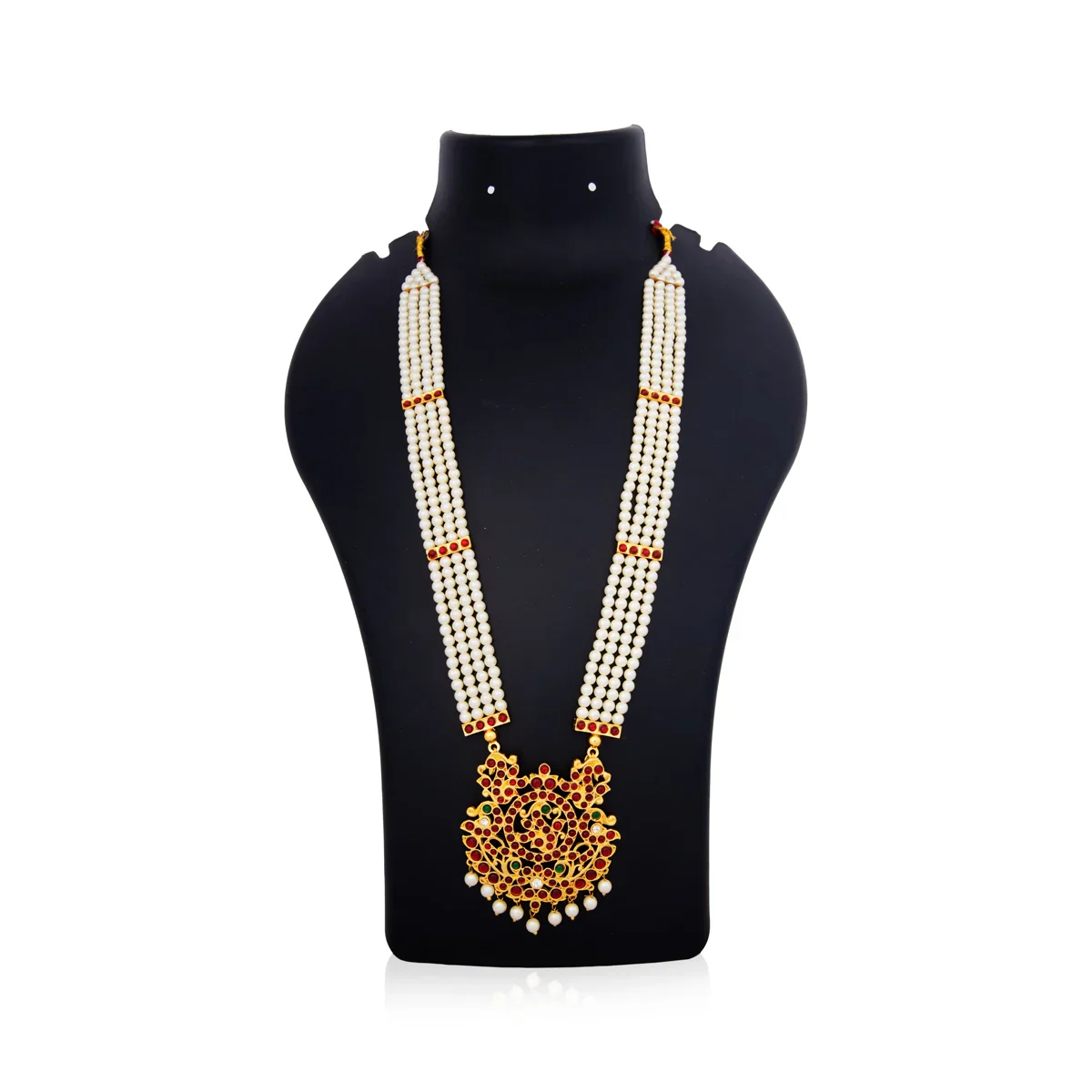
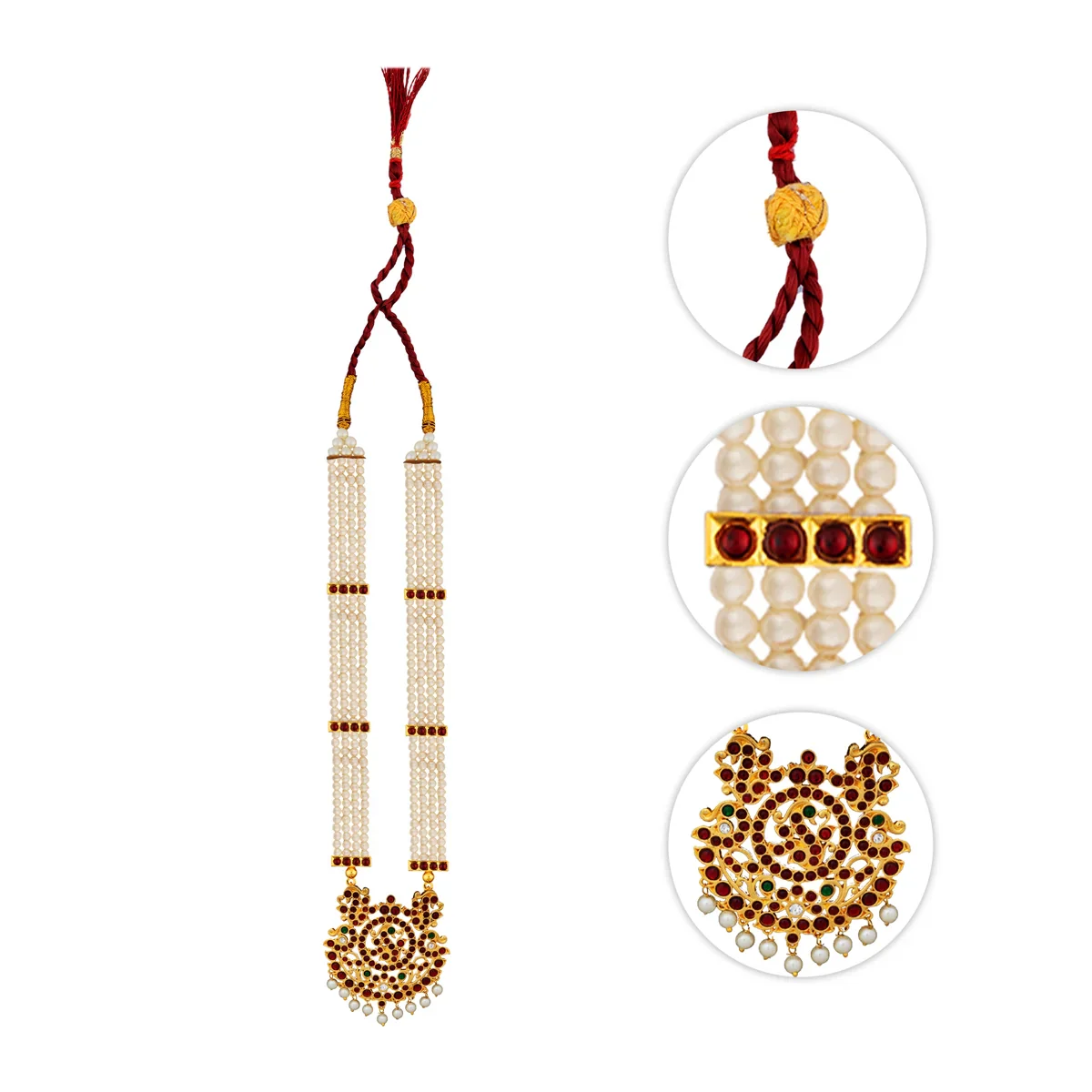
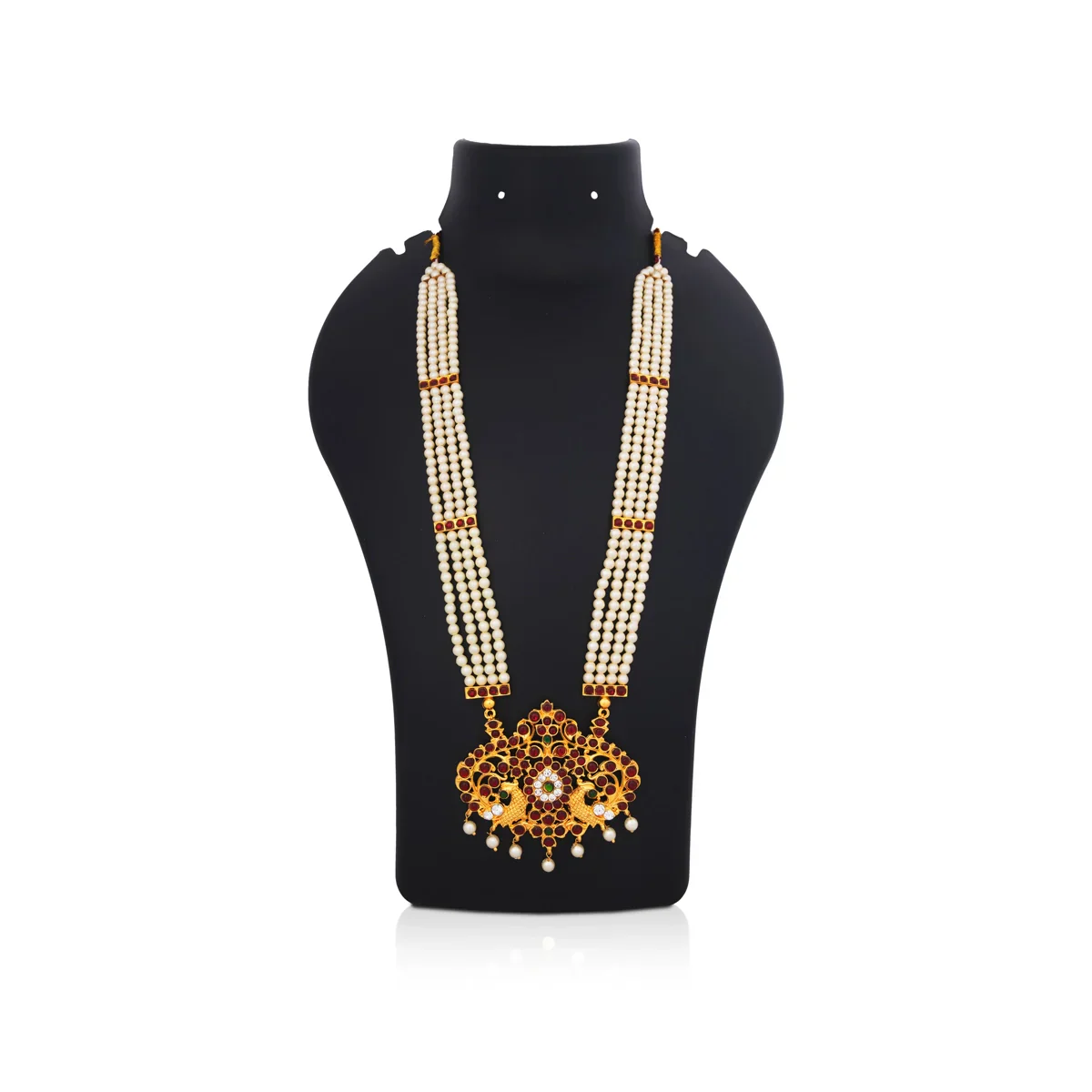
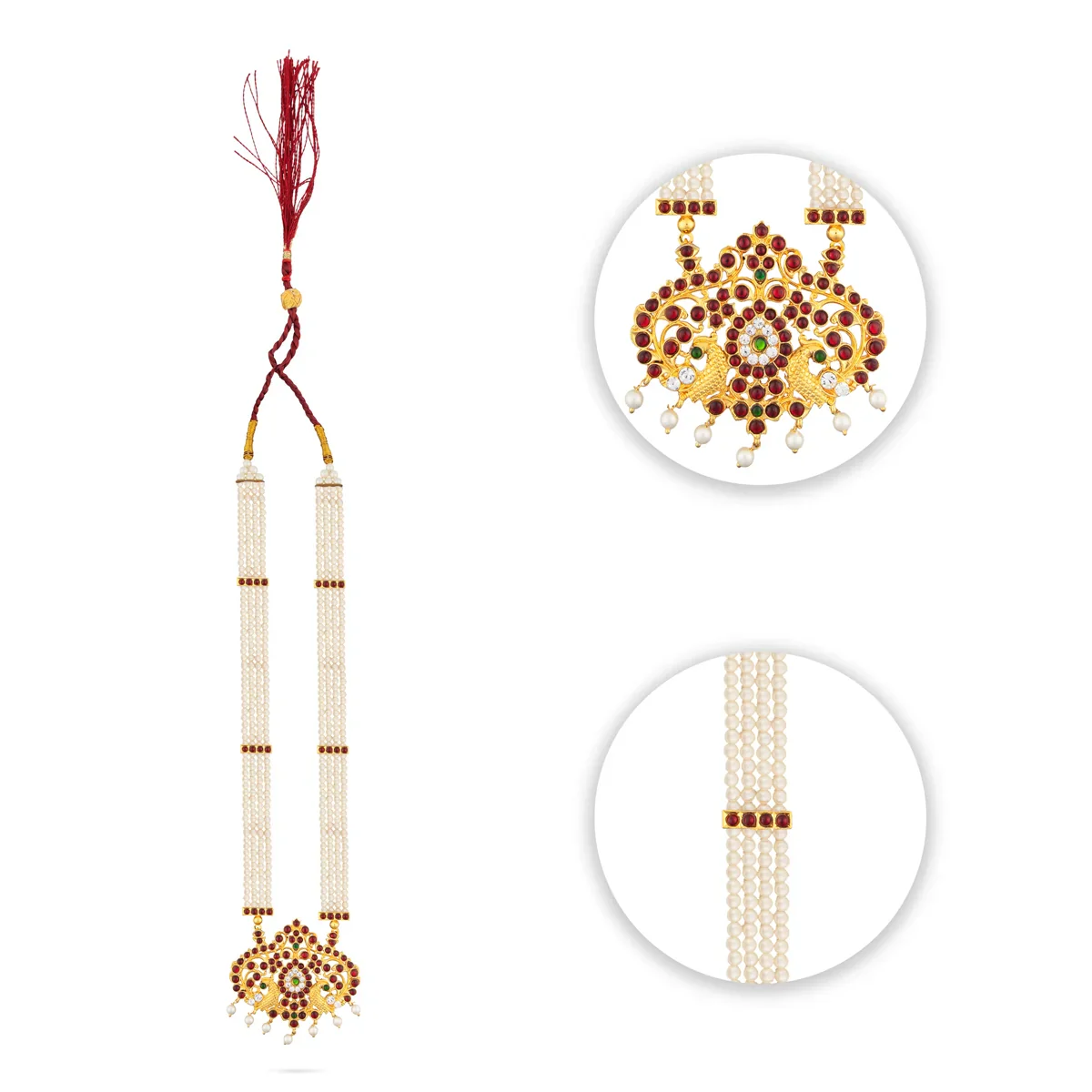
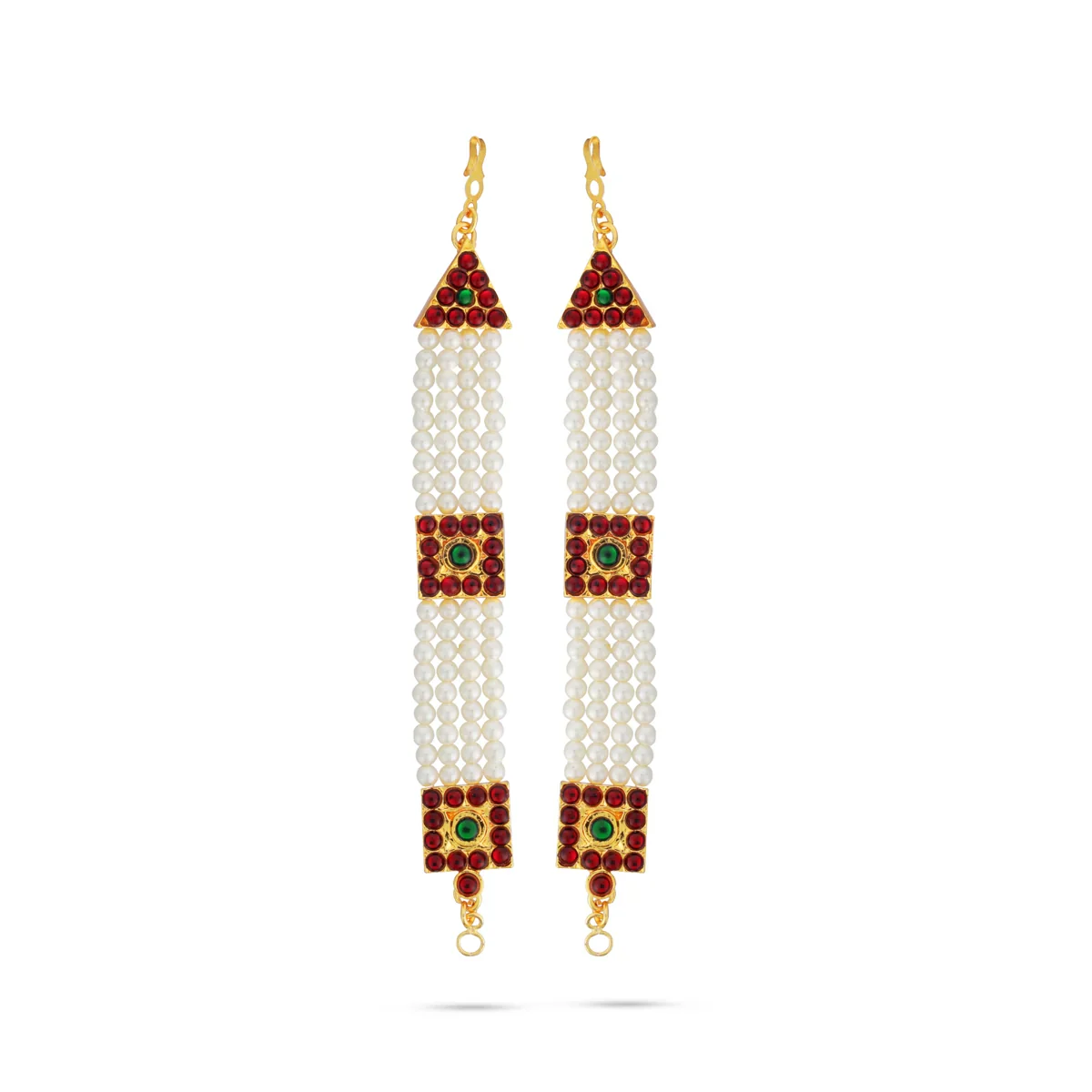
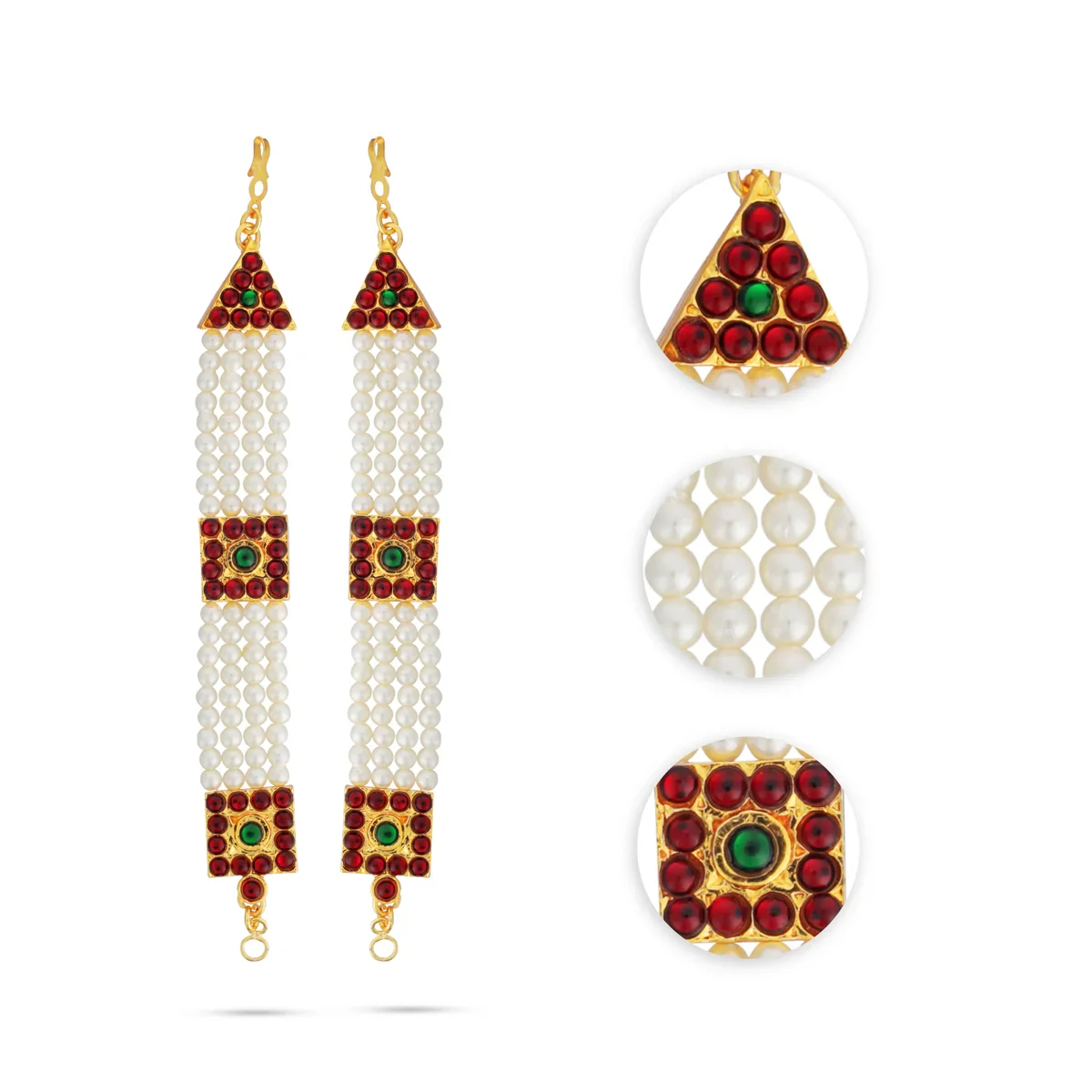
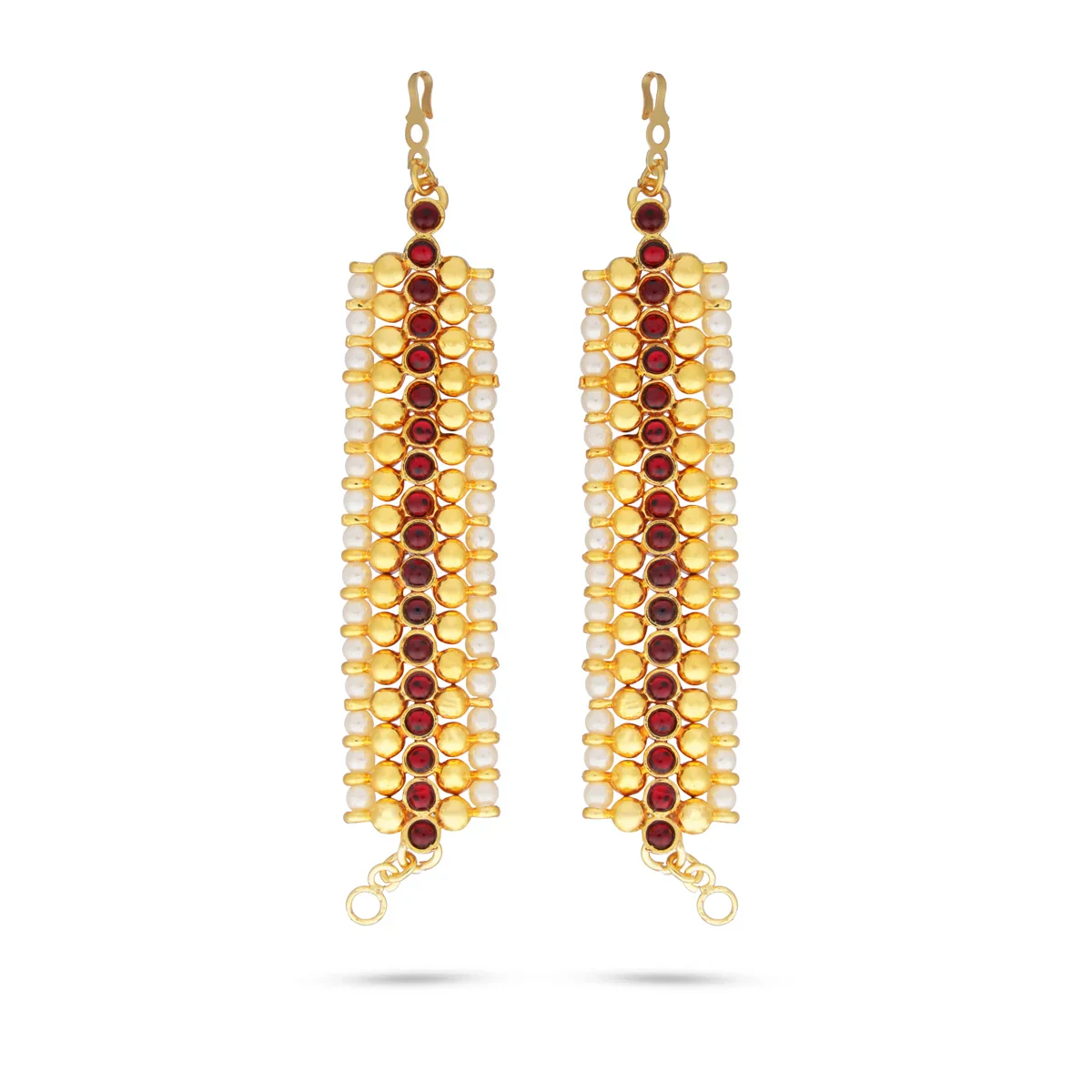
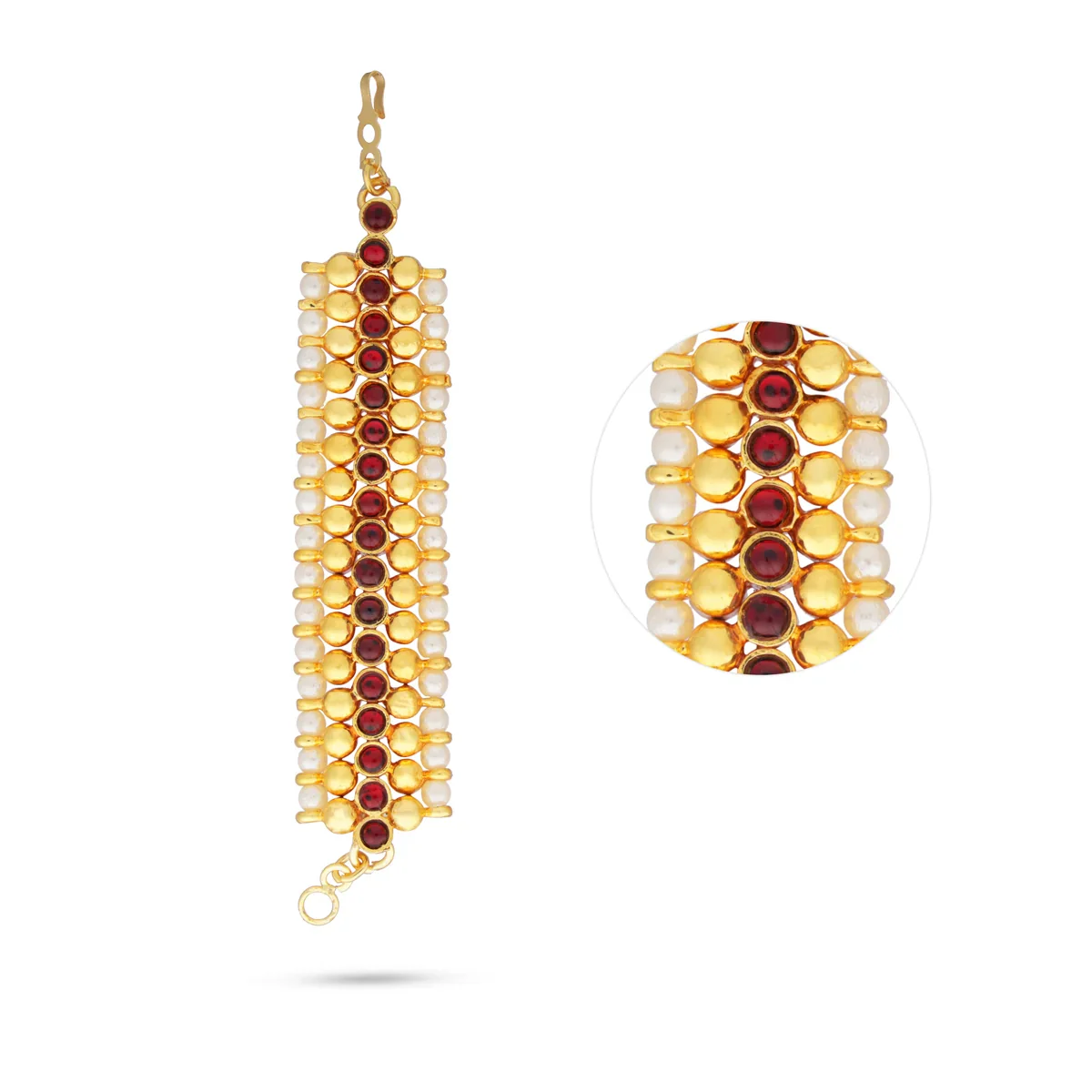
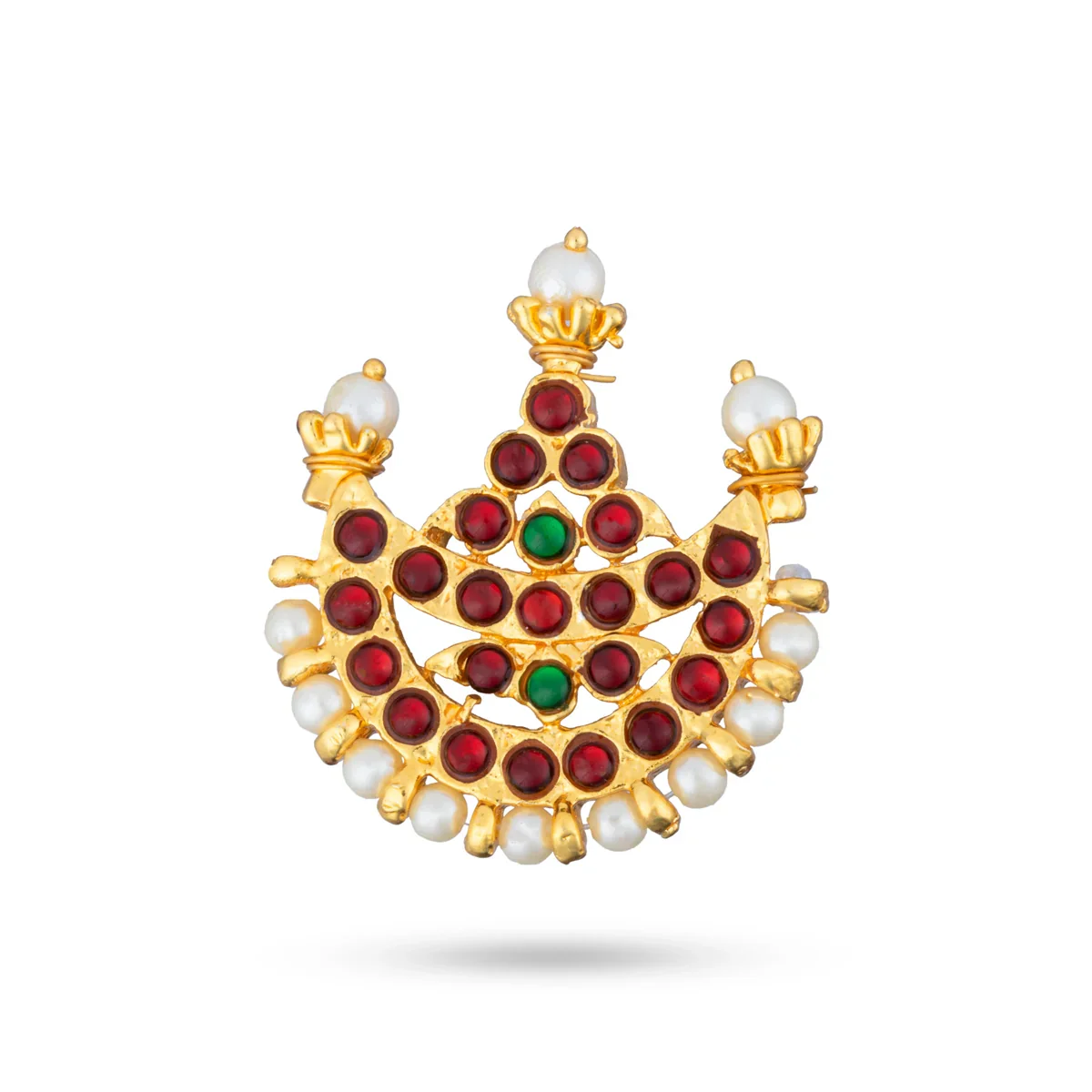
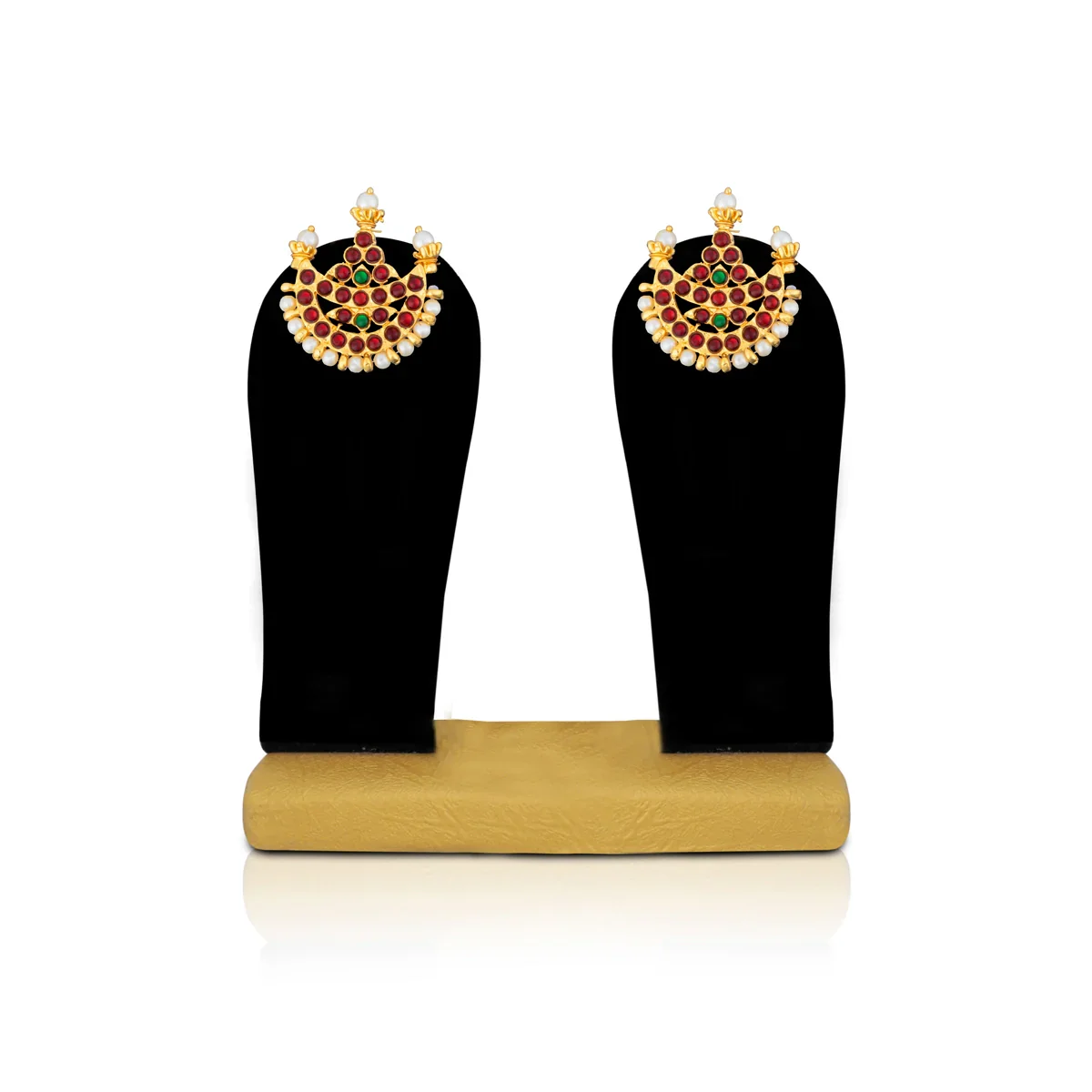
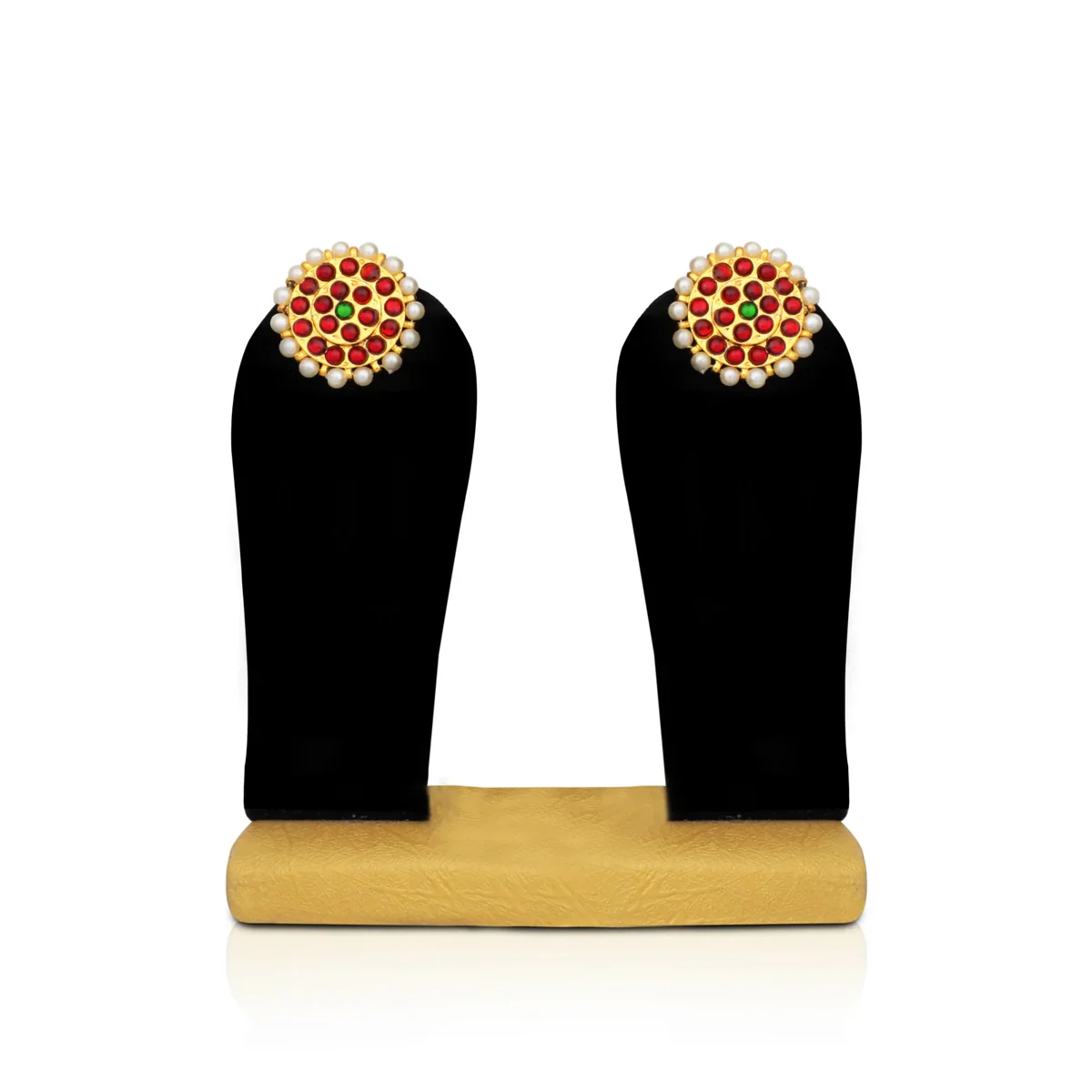
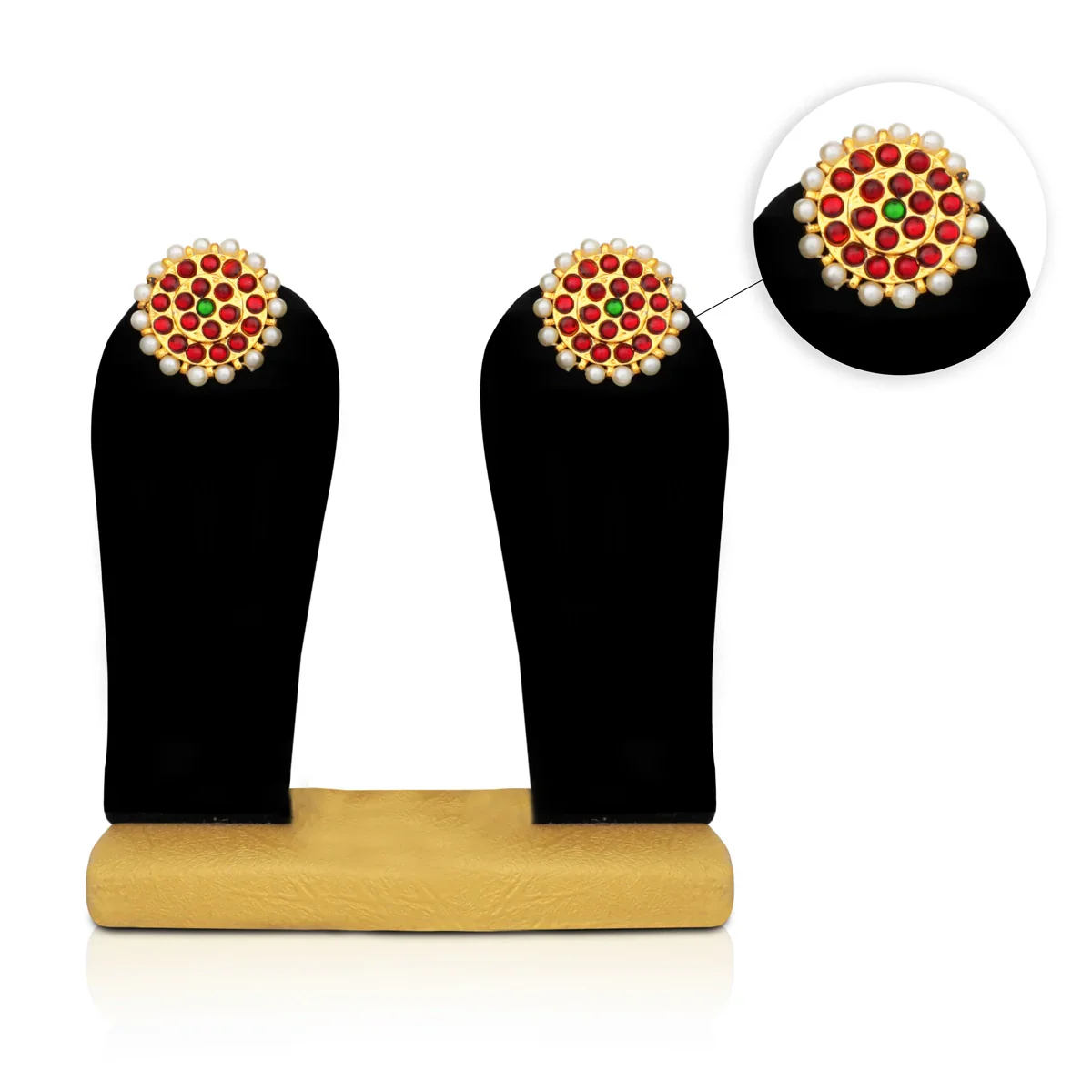
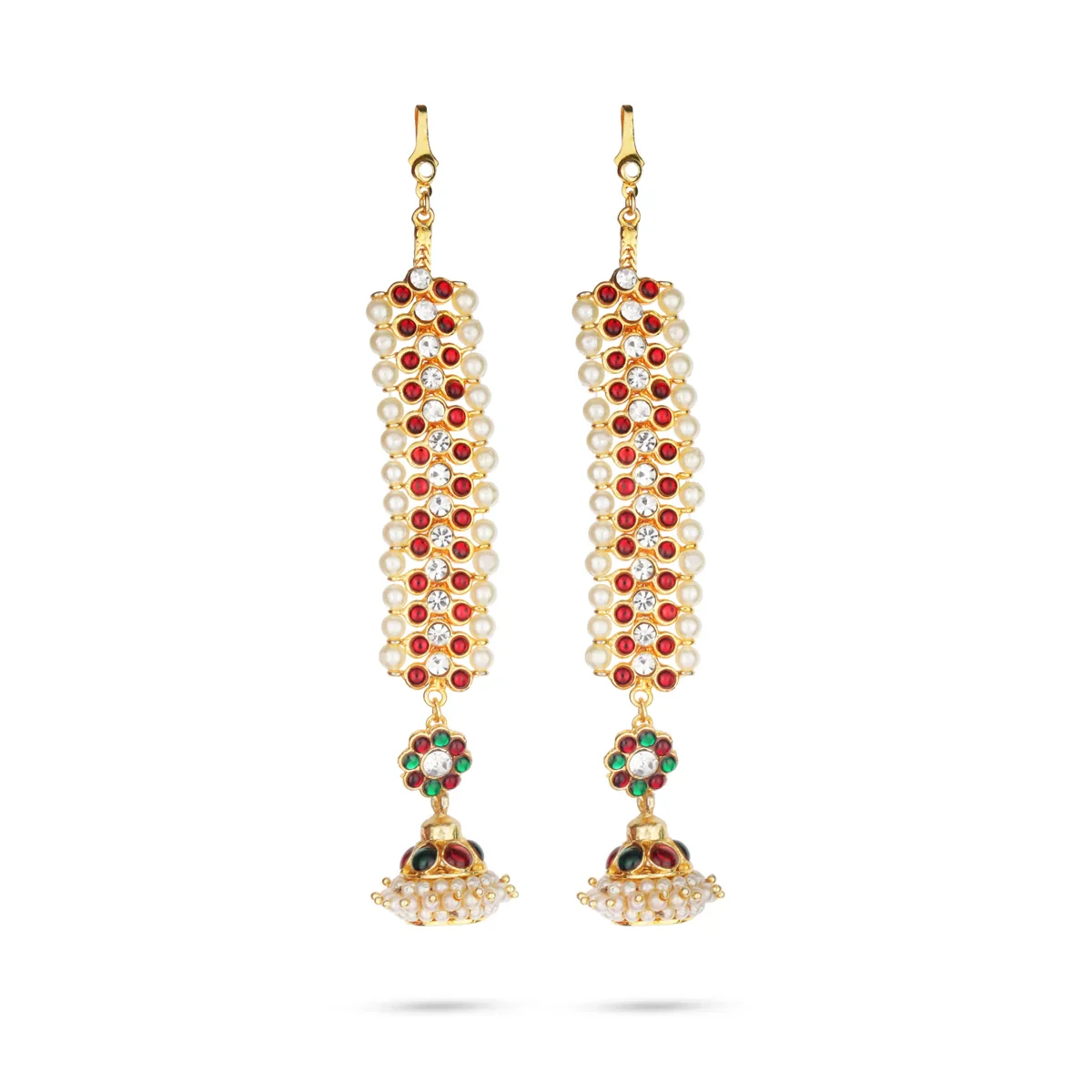
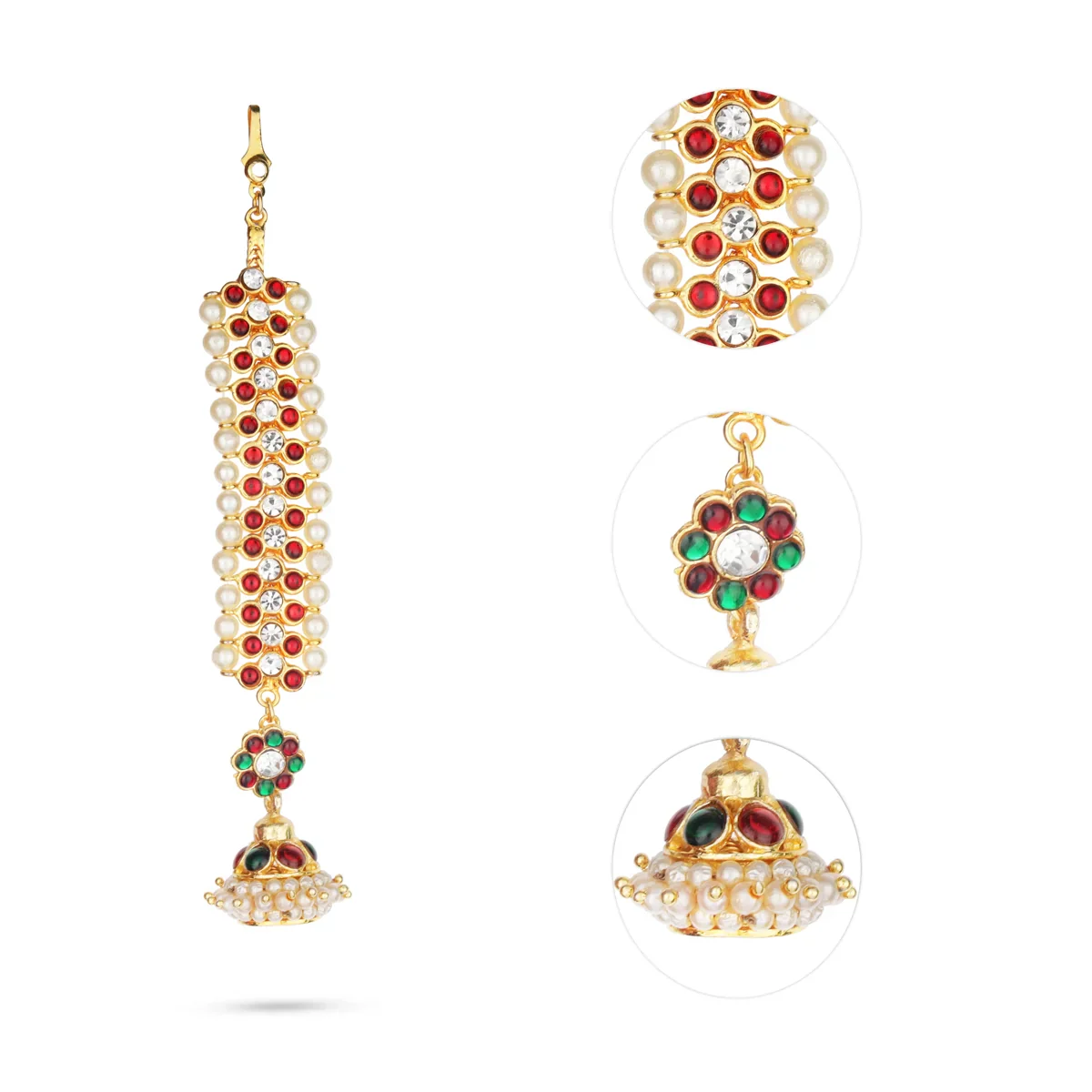
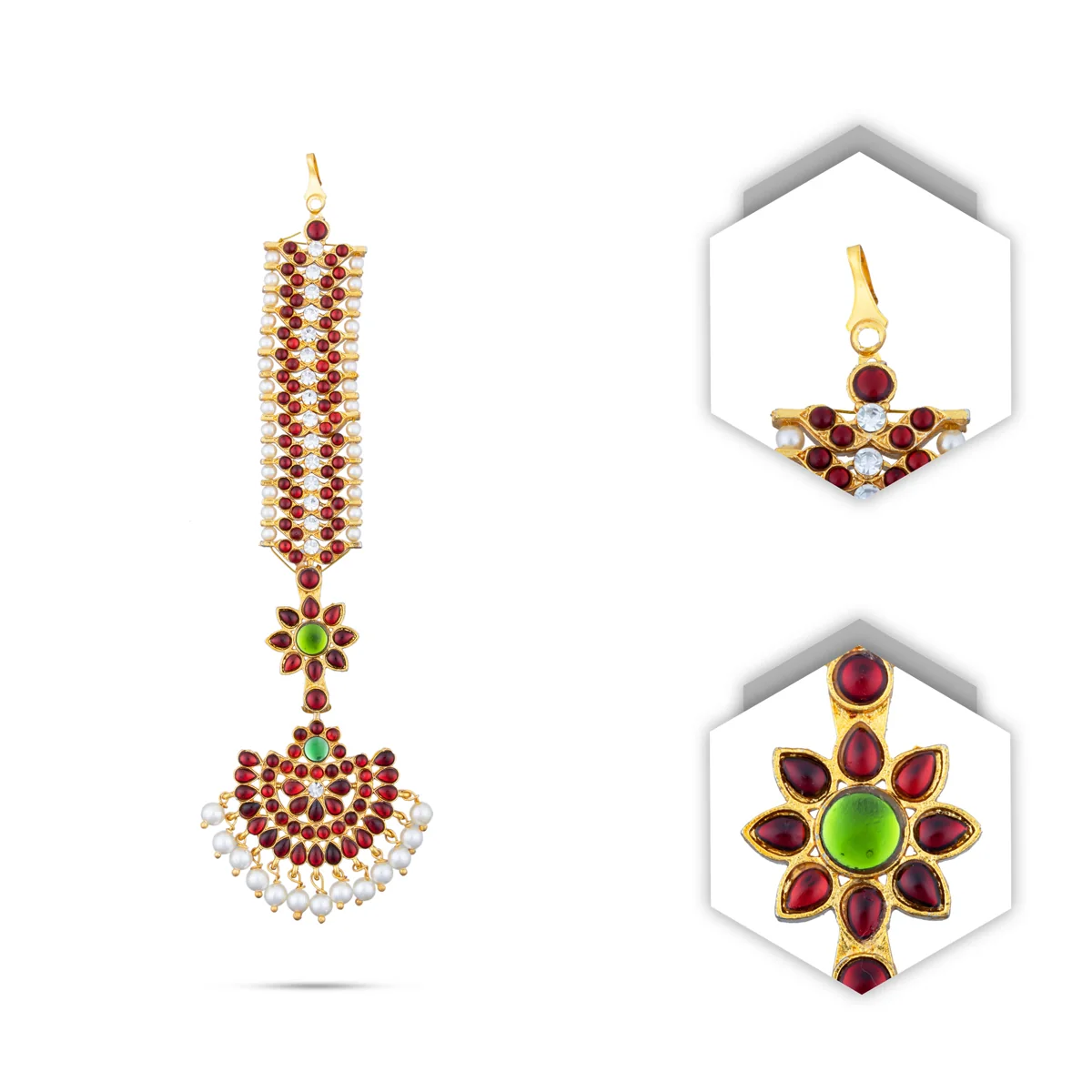
With Kemp stones set in gold-like frames, this forehead jewelry has a traditional look. Its finish and lightweight feel make it sit beautifully on idols or when worn by brides or dancers. Its charm comes from its classic style inspired by temples.
• Backstory in Pooja context:
Jewelry for temples like the Kemp Chutti was first made to decorate gods in ancient temples. Later on, these designs were used by classical dancers and brides in South Indian weddings to mimic the look of goddesses, signifying purity and elegance.
"Decorate your god with holy beauty by picking this Kemp Chutti today."
Details & Craftsmanship
Every detail has been carefully considered to bring you the perfect product.
Description
"Make your deity shine with beautiful charm using the classic Kemp Chutti."
• Product Description:
Nethi Chutti, which is also called Maang Tikka, Forehead Jewelry, or Hair Jewels, is an important part of traditional decorations. The Kemp Chutti shows off sacred skills and is made to add beauty and elegance to temple statues and in classical cultural traditions. Nethi chutti, maang tikka, forehead jewelry, and hair jewels are not just pretty pieces but also have special meanings, symbolizing good fortune and devotion in Hindu beliefs.
• Origins (History of the product):
The custom of wearing forehead decorations goes way back to ancient India, where these ornaments were an essential part of temple ceremonies, classical dancing, and bridal outfits. The Kemp Chutti, known for its striking red kemp stones, came from South India, inspired by temple jewelry that was created to beautify gods in temples and Bharatanatyam dancers who aimed to look like the divine.
• Reputation (Regional popularity):
This type of forehead jewelry has strong cultural connections in Tamil Nadu, Karnataka, and Andhra Pradesh. It is very popular in South Indian families, especially during celebrations and weddings. The Kemp Chutti is a well-known piece for Bharatanatyam performers and is often used to decorate idols during puja.
• Usage, Applications (Way to use the product):
The Kemp Chutti is carefully placed on the foreheads of deities during ceremonies, making them look more divine. Women also wear it as a nethi chutti or maang tikka for trips to temples, weddings, and cultural shows. Forehead jewelry and hair jewels like this one are crucial parts of traditional outfits.
• Preservation measures:
To keep the Nethi Chutti looking good for a long time, it’s best to store it in a soft cloth pouch or box, away from dampness. Try to keep it away from perfumes or water so that the kemp stones and metal stay shiny.
• Specific gods or festivals:
The Maang Tikka is often used to decorate Hindu gods such as Goddess Lakshmi, Goddess Andal, and Goddess Meenakshi during big temple festivals. It is also important during Navratri, temple celebrations, and wedding ceremonies, where hair jewels and forehead jewelry represent purity.
• Texture and typical nature:
With Kemp stones set in gold-like frames, this forehead jewelry has a traditional look. Its finish and lightweight feel make it sit beautifully on idols or when worn by brides or dancers. Its charm comes from its classic style inspired by temples.
• Backstory in Pooja context:
Jewelry for temples like the Kemp Chutti was first made to decorate gods in ancient temples. Later on, these designs were used by classical dancers and brides in South Indian weddings to mimic the look of goddesses, signifying purity and elegance.
"Decorate your god with holy beauty by picking this Kemp Chutti today."