
The Story
Honor Your Ancestors During Mahalaya: A Time of Spiritual Connection and Blessings
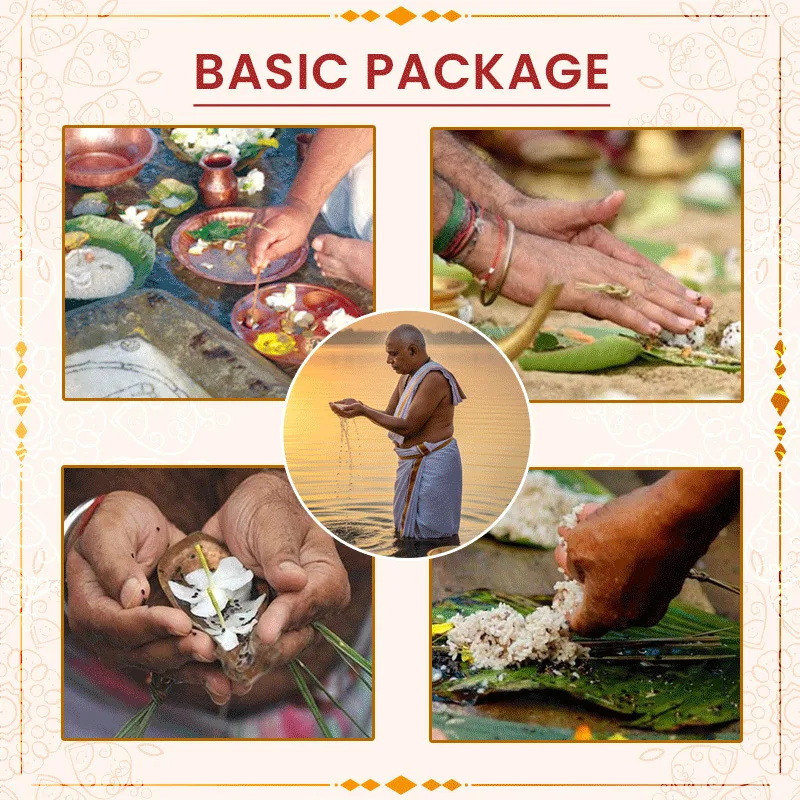
Performing ancestral rituals during the New Moon phases of Mahalaya is regarded as highly auspicious and spiritually uplifting. On this day, Sarva Pitru Amavasya is observed, which is believed to bestow blessings from all ancestors, celestial beings, and sages. Even if earlier days of offerings are missed, performing New Moon Tarpanam becomes essential to honor both known and unknown departed souls.
Ancestral Reverence
Mahalaya is a sacred time when Hindus remember and offer prayers to their ancestors through rituals known as Pitru Paksha or Shradh. The New Moon phase of Mahalaya, also called Mahalaya Amavasya, is considered especially powerful for these rites. It is believed that on this day, the departed souls are more receptive to offerings and blessings reach the family in abundance.
Spiritual Beliefs
The New Moon is traditionally associated with new beginnings, inner reflection, and spiritual cleansing. Since the moon is not visible during this phase, it symbolizes a time of silence and renewal. Performing ancestral rituals during Mahalaya Amavasya is believed to align with these cosmic energies, strengthening spiritual connections and deepening familial bonds.
Cultural Significance
Mahalaya is closely linked with the beginning of Durga Puja, especially in West Bengal. It is said to be the day Goddess Durga starts her journey to Earth to destroy the demon Mahishasura. By performing ancestral rituals, devotees not only pay homage to their forefathers but also invoke the blessings of the goddess, thus uniting family traditions with divine grace.
Cleansing and Blessings
Rituals performed during Mahalaya Amavasya are believed to clear ancestral debts and remove karmic obstacles within the family line. Through these offerings, devotees pray for peace, prosperity, and harmony for both the departed souls and the present generation, ensuring that the ancestors rest in peace while their descendants flourish with blessings.
Strengthening Family Bonds
These rituals serve as a reminder of the importance of honoring one’s roots and heritage. They strengthen family unity by connecting generations together and fostering a sense of respect and continuity across time.
Timing and Tradition
The choice of the New Moon for these rites is deeply rooted in traditional belief. This lunar phase is considered the most auspicious moment to connect with spiritual energies and invoke ancestral presence. Following these customs shows devotion not only to family traditions but also to the cosmic order of auspicious timings.
In summary, performing ancestral rituals during the New Moon of Mahalaya is more than a tradition—it is a practice filled with deep cultural, spiritual, and familial significance. By observing these rites, devotees honor their ancestors, invite blessings into their lives, and harmonize their spiritual practices with the eternal rhythms of the universe.
Offering Package-1
Culturally Rich Offering for Mahalaya Sarva Amavasai 2025: A Gesture of Tradition and Respect
Mahalaya Sarva Amavasya 2025 Ritual Offering Pack
Offering a complete set that includes rice, mung dal, raw banana, jaggery, vasthiram, and thamboolam is a meaningful and culturally rich gesture, especially during the highly auspicious occasion of Mahalaya Sarva Amavasya 2025. Each item in this pack has deep spiritual symbolism, ensuring that your ritual is performed with devotion and completeness.
1. Rice
Rice, a staple in Hindu tradition, is one of the most essential offerings in ancestral rituals. It represents prosperity, sustenance, and the blessings of abundance, making it a vital part of every sacred ceremony.
2. Mung Dal
Mung dal (green gram) is considered pure and auspicious. It signifies health, vitality, and longevity. Its inclusion in offerings ensures both nourishment and the symbolic wish for wellbeing in the family.
3. Raw Banana
Raw bananas hold strong ritualistic value, symbolizing fertility, growth, and prosperity. Offering them reflects reverence and respect while invoking blessings of abundance.
4. Jaggery
Jaggery, a natural sweetener, embodies purity and sweetness. It is offered to represent the sweet fruits of devotion and the divine grace that follows sincere prayers.
5. Vasthiram
Vasthiram (sacred cloth) is a mark of devotion, respect, and dignity. Offering cloth in rituals symbolizes presenting the best to ancestors or deities, ensuring honor and reverence in the ceremony.
6. Thamboolam
Thamboolam, consisting of betel leaves, areca nuts, and other auspicious items, represents hospitality, auspiciousness, and blessings. It is traditionally offered to signify respect and gratitude in every ritual.
7. Inclusive Service
This package also includes Priest Charges, ensuring that the rituals are conducted correctly, with devotion and adherence to tradition.
Significance of the Ritual Pack
• Completeness – The pack brings together all essential offerings, ensuring nothing is missed during the sacred rites.
• Holistic Offering – It covers both symbolic and material aspects of the ritual, making it spiritually fulfilling.
• Cultural Value – Each item upholds centuries-old practices, allowing the rituals to be performed with authenticity and reverence.
Usage
This pack is ideal for performing ancestral rituals (Pitru Tarpanam) during Mahalaya Sarva Amavasya 2025, ensuring that all offerings are prepared and arranged in the most auspicious manner. It helps devotees honor their ancestors, seek blessings, and uphold sacred traditions with sincerity
Description
Honor Your Ancestors During Mahalaya: A Time of Spiritual Connection and Blessings
Performing ancestral rituals during the New Moon phases of Mahalaya is regarded as highly auspicious and spiritually uplifting. On this day, Sarva Pitru Amavasya is observed, which is believed to bestow blessings from all ancestors, celestial beings, and sages. Even if earlier days of offerings are missed, performing New Moon Tarpanam becomes essential to honor both known and unknown departed souls.
Ancestral Reverence
Mahalaya is a sacred time when Hindus remember and offer prayers to their ancestors through rituals known as Pitru Paksha or Shradh. The New Moon phase of Mahalaya, also called Mahalaya Amavasya, is considered especially powerful for these rites. It is believed that on this day, the departed souls are more receptive to offerings and blessings reach the family in abundance.
Spiritual Beliefs
The New Moon is traditionally associated with new beginnings, inner reflection, and spiritual cleansing. Since the moon is not visible during this phase, it symbolizes a time of silence and renewal. Performing ancestral rituals during Mahalaya Amavasya is believed to align with these cosmic energies, strengthening spiritual connections and deepening familial bonds.
Cultural Significance
Mahalaya is closely linked with the beginning of Durga Puja, especially in West Bengal. It is said to be the day Goddess Durga starts her journey to Earth to destroy the demon Mahishasura. By performing ancestral rituals, devotees not only pay homage to their forefathers but also invoke the blessings of the goddess, thus uniting family traditions with divine grace.
Cleansing and Blessings
Rituals performed during Mahalaya Amavasya are believed to clear ancestral debts and remove karmic obstacles within the family line. Through these offerings, devotees pray for peace, prosperity, and harmony for both the departed souls and the present generation, ensuring that the ancestors rest in peace while their descendants flourish with blessings.
Strengthening Family Bonds
These rituals serve as a reminder of the importance of honoring one’s roots and heritage. They strengthen family unity by connecting generations together and fostering a sense of respect and continuity across time.
Timing and Tradition
The choice of the New Moon for these rites is deeply rooted in traditional belief. This lunar phase is considered the most auspicious moment to connect with spiritual energies and invoke ancestral presence. Following these customs shows devotion not only to family traditions but also to the cosmic order of auspicious timings.
In summary, performing ancestral rituals during the New Moon of Mahalaya is more than a tradition—it is a practice filled with deep cultural, spiritual, and familial significance. By observing these rites, devotees honor their ancestors, invite blessings into their lives, and harmonize their spiritual practices with the eternal rhythms of the universe.
Offering Package-1
Culturally Rich Offering for Mahalaya Sarva Amavasai 2025: A Gesture of Tradition and Respect
Mahalaya Sarva Amavasya 2025 Ritual Offering Pack
Offering a complete set that includes rice, mung dal, raw banana, jaggery, vasthiram, and thamboolam is a meaningful and culturally rich gesture, especially during the highly auspicious occasion of Mahalaya Sarva Amavasya 2025. Each item in this pack has deep spiritual symbolism, ensuring that your ritual is performed with devotion and completeness.
1. Rice
Rice, a staple in Hindu tradition, is one of the most essential offerings in ancestral rituals. It represents prosperity, sustenance, and the blessings of abundance, making it a vital part of every sacred ceremony.
2. Mung Dal
Mung dal (green gram) is considered pure and auspicious. It signifies health, vitality, and longevity. Its inclusion in offerings ensures both nourishment and the symbolic wish for wellbeing in the family.
3. Raw Banana
Raw bananas hold strong ritualistic value, symbolizing fertility, growth, and prosperity. Offering them reflects reverence and respect while invoking blessings of abundance.
4. Jaggery
Jaggery, a natural sweetener, embodies purity and sweetness. It is offered to represent the sweet fruits of devotion and the divine grace that follows sincere prayers.
5. Vasthiram
Vasthiram (sacred cloth) is a mark of devotion, respect, and dignity. Offering cloth in rituals symbolizes presenting the best to ancestors or deities, ensuring honor and reverence in the ceremony.
6. Thamboolam
Thamboolam, consisting of betel leaves, areca nuts, and other auspicious items, represents hospitality, auspiciousness, and blessings. It is traditionally offered to signify respect and gratitude in every ritual.
7. Inclusive Service
This package also includes Priest Charges, ensuring that the rituals are conducted correctly, with devotion and adherence to tradition.
Significance of the Ritual Pack
• Completeness – The pack brings together all essential offerings, ensuring nothing is missed during the sacred rites.
• Holistic Offering – It covers both symbolic and material aspects of the ritual, making it spiritually fulfilling.
• Cultural Value – Each item upholds centuries-old practices, allowing the rituals to be performed with authenticity and reverence.
Usage
This pack is ideal for performing ancestral rituals (Pitru Tarpanam) during Mahalaya Sarva Amavasya 2025, ensuring that all offerings are prepared and arranged in the most auspicious manner. It helps devotees honor their ancestors, seek blessings, and uphold sacred traditions with sincerity